
Module datasheets focus on watts and efficiency at STC. Utility asset owners need a different lens: how each technology behaves in dust, on trackers, with robots, and after ten years in Rajasthan sun. The types-of-panels decision is an O&M decision as much as a procurement spreadsheet.
This guide compares mono PERC, TOPCon, HJT, bifacial, and legacy poly through cleaning access, robot fit, warranty, and long-term PR on Indian MW plants.
Quick answer
- Mono PERC / TOPCon dominate new Indian utility bids (540–700 Wp).
- Legacy poly/mono still operate; cleaning ROI often beats early repower.
- Bifacial adds rear-side and albedo considerations, not less front cleaning.
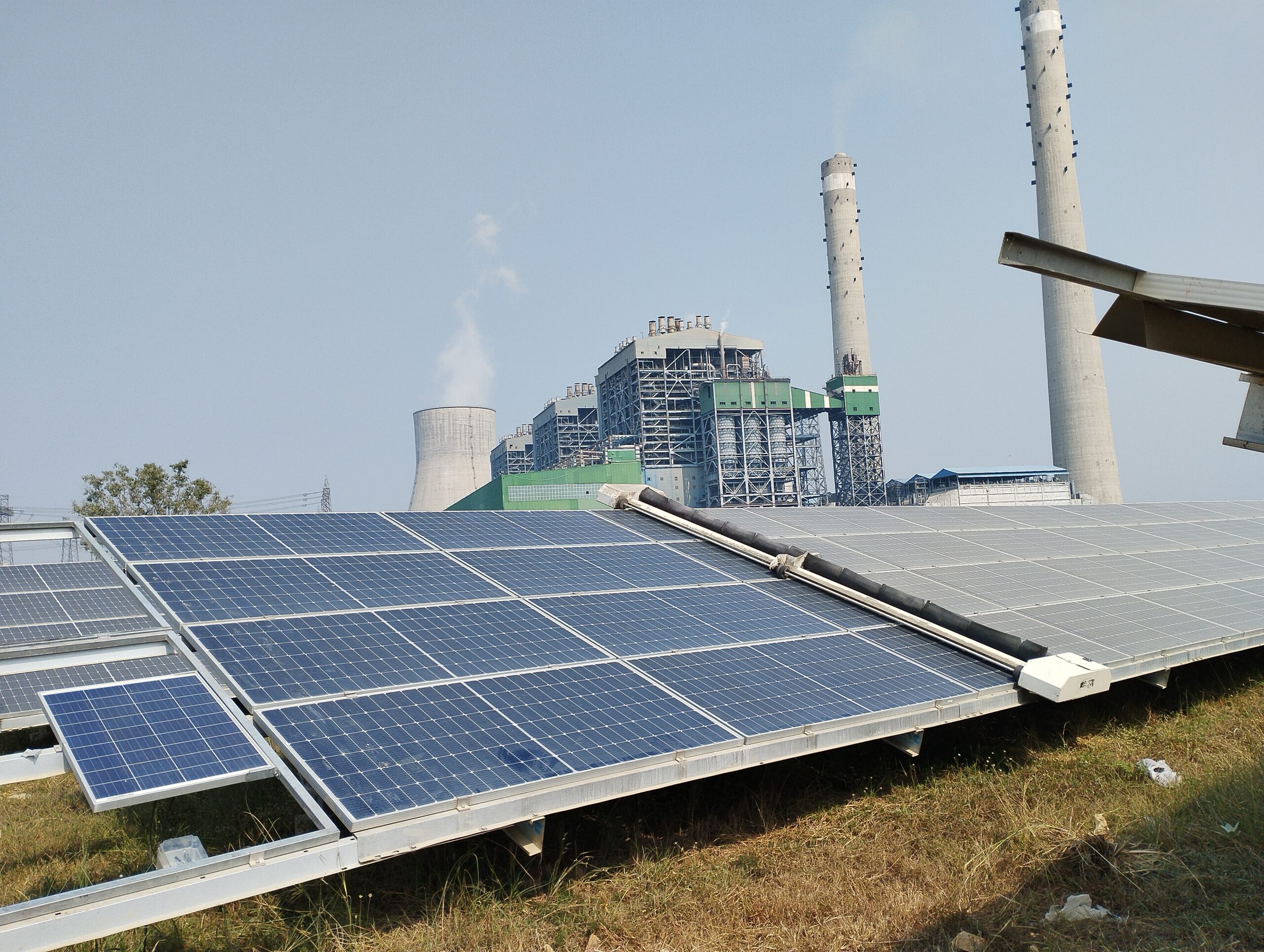
- Validate frame dimensions for cleaning robots before bulk orders.
- Soiling physics is similar across types: glass gets dirty in Indian dust belts.
Technology comparison for O&M teams
| Type | Typical utility use | Cleaning / O&M notes |
|---|---|---|
| Poly (legacy) | Older 5–15 year plants | Proven manual paths; check microcrack history before aggressive brushes |
| Mono PERC | Current workhorse | Wide robot compatibility; watch large-format weight on trackers |
| TOPCon / HJT | New high-efficiency bids | Follow OEM cleaning limits; temperature benefits do not reduce dust duty |
| Bifacial | Tracker-heavy greenfield | Model rear soiling; height affects bifacial gain |
What changes with large-format modules
Indian utility tenders moved from 330 Wp poly tables to 550–600 Wp mono blocks on single-axis trackers. O&M impacts include:
- Heavier panels: structural and tracker load checks; wind stow behavior changes.
- Taller rows: wind exposure and cleaning reach on end modules.
- Different string voltages: inverter matching on repower or block replacement.
- Frame height: robot ground clearance and brush pressure profiles.
Read supplier specs that impact O&M and cleaning before tender awards.
Does panel type change soiling rate?
Anti-reflective coatings and glass texture can shift dust adhesion slightly, but operational differences are usually second-order versus climate and cleaning frequency. A TOPCon plant in Gujarat still needs a serious cleaning strategy in dry months. A poly plant in Punjab still sees harvest dust spikes regardless of cell technology.
Measure on reference modules. High-dust region losses dominate technology nuance.
Efficiency context: module efficiency for utility owners and efficiency in 2025.
Robots, brushes, and warranty
Procurement should require written OEM approval for the chosen cleaning method (wet, dry, specific robot model) before fleet orders. Pilot rows on trackers with production meters catch geometry mismatches early.
| Validation step | Why it matters |
|---|---|
| OEM cleaning approval letter | Warranty defense after automated passes |
| 50+ pass glass inspection | Microscratch and AR coating risk |
| Robot path on longest row | End-turn failures show at scale |
| Spare brush policy | Abrasive dust wears heads faster |
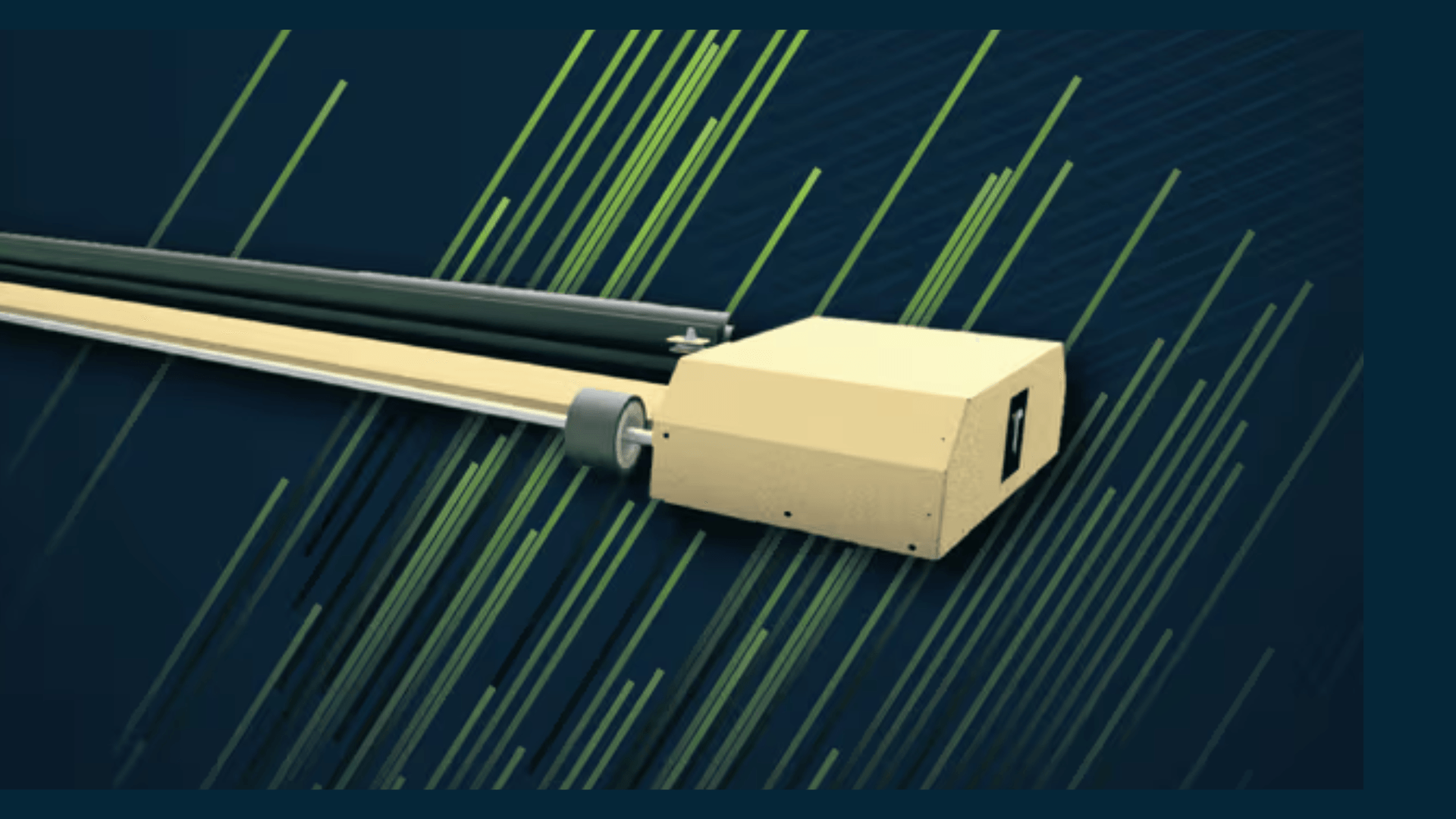
Explore automatic cleaning systems, waterless technology, and how robots work.
Bifacial modules on Indian trackers
Bifacial gain depends on rear irradiance from ground albedo and rear-side cleanliness. Low-clearance tracker rows in dusty sites may accumulate dust on the rear glass, eroding bifacial premium modeled at financial close. Cleaning programs focused only on front glass leave part of the value stack dirty.
Front cleaning frequency remains primary. Add rear inspection on sample rows after dry season. Compare robotic vs manual for reach on rear surfaces where manual crews already struggle on long rows.
Illustrative cleaning economics by fleet age (50 MW)
| Fleet profile | Module era | Typical O&M focus |
|---|---|---|
| 2016 poly fixed-tilt | 300–340 Wp | Manual clean ROI; repower study if PR low |
| 2021 mono PERC tracker | 530–550 Wp | Robot fit validation; OEM approval on file |
| 2025 TOPCon greenfield | 600–700 Wp | Design-stage robot paths; waterless ESG story |
Cost tools: ROI calculator and 10 MW cost comparison.
Repower vs clean: module-type decision
If legacy poly runs at acceptable PR after cleaning and availability fixes, repowering solely for efficiency may lose to fixing soiling and inverter issues. If strings fall below inverter MPP windows, hot spots are widespread, or tracker structures cannot bear new modules, repower makes sense with cleaning compatibility planned at design stage.
Align type choice with utility O&M strategy and plant design for cleaning.
Module procurement clauses O&M should insist on
Procurement teams optimize ₹/W; O&M lives with geometry and warranty. Minimum cleaning-related clauses for utility tenders:
- Written cleaning method approval for robot or wet program named in bid.
- Frame dimensions and tolerances on data sheets used in robot simulation.
- Tracker compatibility letter if modules mount on single-axis rows.
- Degradation warranty terms that do not void on approved automated cleaning.
- Sample modules for pilot rows before bulk shipment to remote sites.
Manufacturers and O&M alignment explains how tier-one suppliers differ on documentation quality.
Technology hype versus field reality
TOPCon and HJT marketing emphasizes efficiency and temperature coefficients. Field teams still face the same May dust storms as poly plants a decade ago. Higher efficiency increases rupee value of each recovered MWh after cleaning, which strengthens the business case for automation, but does not reduce cleaning frequency in Jaisalmer.
When evaluating new technology bids, ask vendors: "What robot path simulation have you run on your frame at stow angle X?" Answers separate serious utility suppliers from brochure merchants.
Degradation, cleaning, and warranty claims
Module suppliers distinguish normal degradation from damage. Unapproved abrasive cleaning can void claims when microcracks or AR coating damage appear in EL imaging. File OEM approval letters before first robot pass and retain brush specification sheets. When warranty reviews blame O&M, documented approved methods are the defense.
Legacy poly plants with higher year-10 degradation may still outperform repower NPV if cleaning restores PR on intact strings. Run NPV both ways with cleaning ROI tools before committing repower capex during refinancing windows.
Mixed-technology fleets on one site
Repower and expansion often leave mono PERC blocks beside legacy poly on the same inverter feeder or adjacent blocks. Cleaning programs must handle different frame heights and OEM approvals on one O&M contract. Document brush pressure and robot path settings per block. Using aggressive settings optimized for new large-format modules on old poly can cause damage.
Mixed fleets also complicate PR benchmarking: normalize by block technology when comparing soiling, not only plant-level averages. Solar technology trends 2025 preview what will enter mixed fleets over the next tender cycle.
Tender evaluation scorecard for O&M reviewers
Add O&M-weighted criteria to module tenders beyond ₹/W:
- OEM cleaning approval documentation quality (sample letter provided?).
- Frame tolerance data for robot simulation.
- Field failure rate and EL defect history in similar climates.
- Bifacial rear-access guidance if applicable.
Five-year O&M NPV often exceeds module capex savings from lowest bidder. Choosing panels for Indian conditions should include this scorecard.
Commissioning handoff for module-specific cleaning
EPC should deliver per-block module bill of materials with OEM cleaning limits attached to O&M, not buried in procurement PDFs. O&M cannot defend warranty if they never received approval letters during handover.
Glass and coating care across technologies
TOPCon and HJT modules may use different anti-reflective stacks than legacy poly. Cleaning method remains brush discipline and approved pressure, not stronger chemistry. When in doubt, run OEM-recommended pilot passes and microscope inspection before fleet deployment.
Key takeaways
- Pick modules with O&M and cleaning validation, not watts alone.
- Bifacial and TOPCon do not eliminate dust duty on front glass.
- Large-format geometry drives robot fit: pilot before fleet orders.
- Legacy poly often wins on cleaning ROI before repower capex.
- OEM written cleaning approval is non-negotiable for automated methods.
Module type drives cleaning approval and brush selection more than marketing tiers. Lock OEM methods before fleet or AMC contracts.
Related reading
Frequently asked questions
New builds predominantly use mono PERC and TOPCon modules in 540–700 Wp formats from tier-one manufacturers. Operating fleets still include significant legacy poly and early mono in the 300–400 Wp range on plants commissioned 2015–2020.
Front glass still soils like monofacial modules. Rear-side soiling on elevated trackers can reduce bifacial gain; cleaning programs should consider rear access where dust accumulates on low-clearance rows. Front cleaning frequency remains the primary driver.
Follow OEM guidance. Avoid abrasive pads and unapproved acids. Most utility cleaning uses water, soft brushes, or approved waterless robots without chemistry changes solely for TOPCon. Written OEM approval for the chosen method is mandatory.
Larger format modules change row geometry, ground clearance, and weight on trackers. Procurement should validate robot or brush paths on sample rows before fleet orders, especially on single-axis plants with long strings.
If legacy poly runs at acceptable PR after cleaning and availability fixes, repowering solely for efficiency may lose to O&M investment. Repower when strings fall below inverter MPP windows, damage is widespread, or trackers cannot bear new module loads without redesign.