The North Indian Winter: Fog, Dew, and the Silent PR Drop
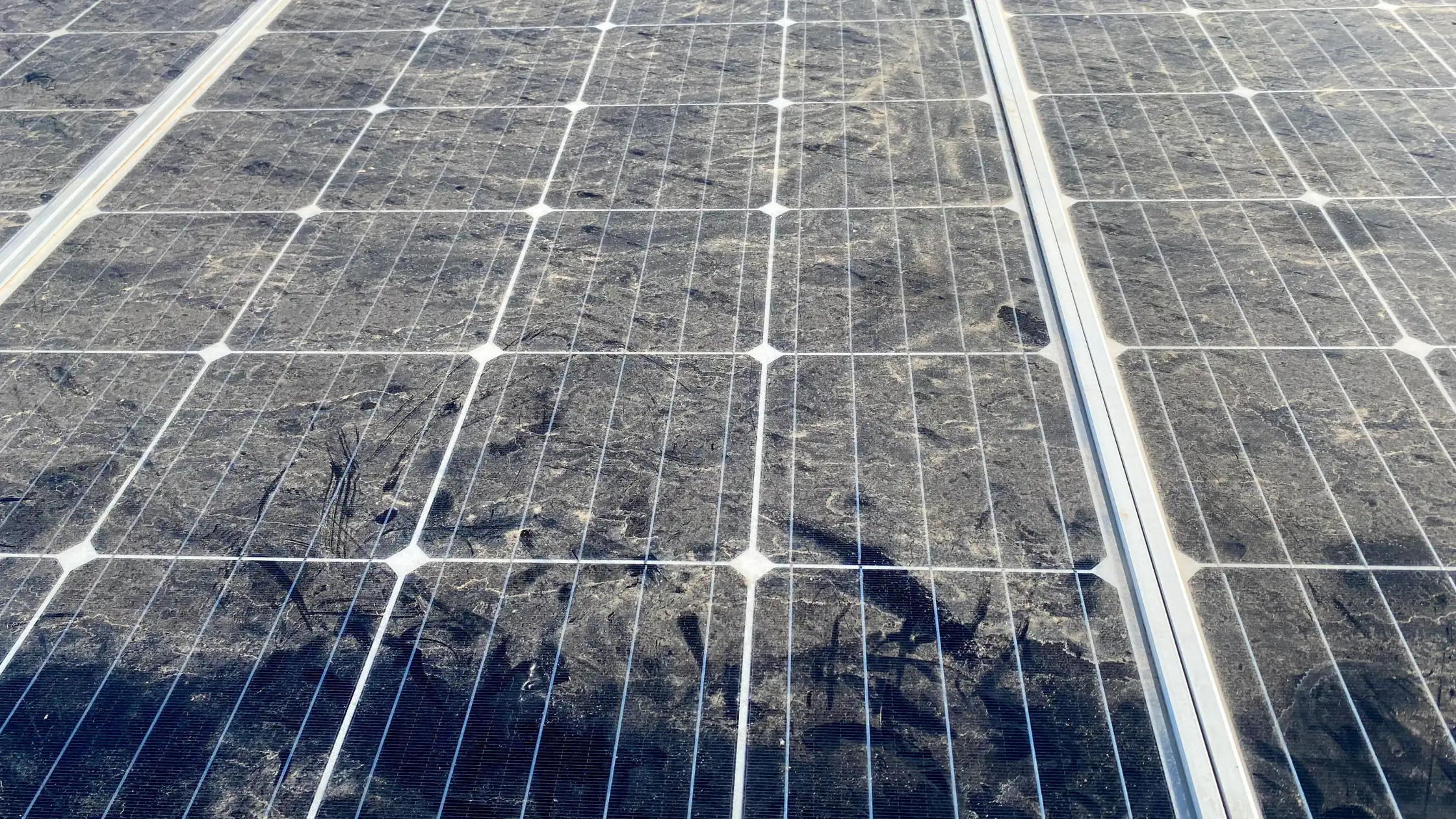
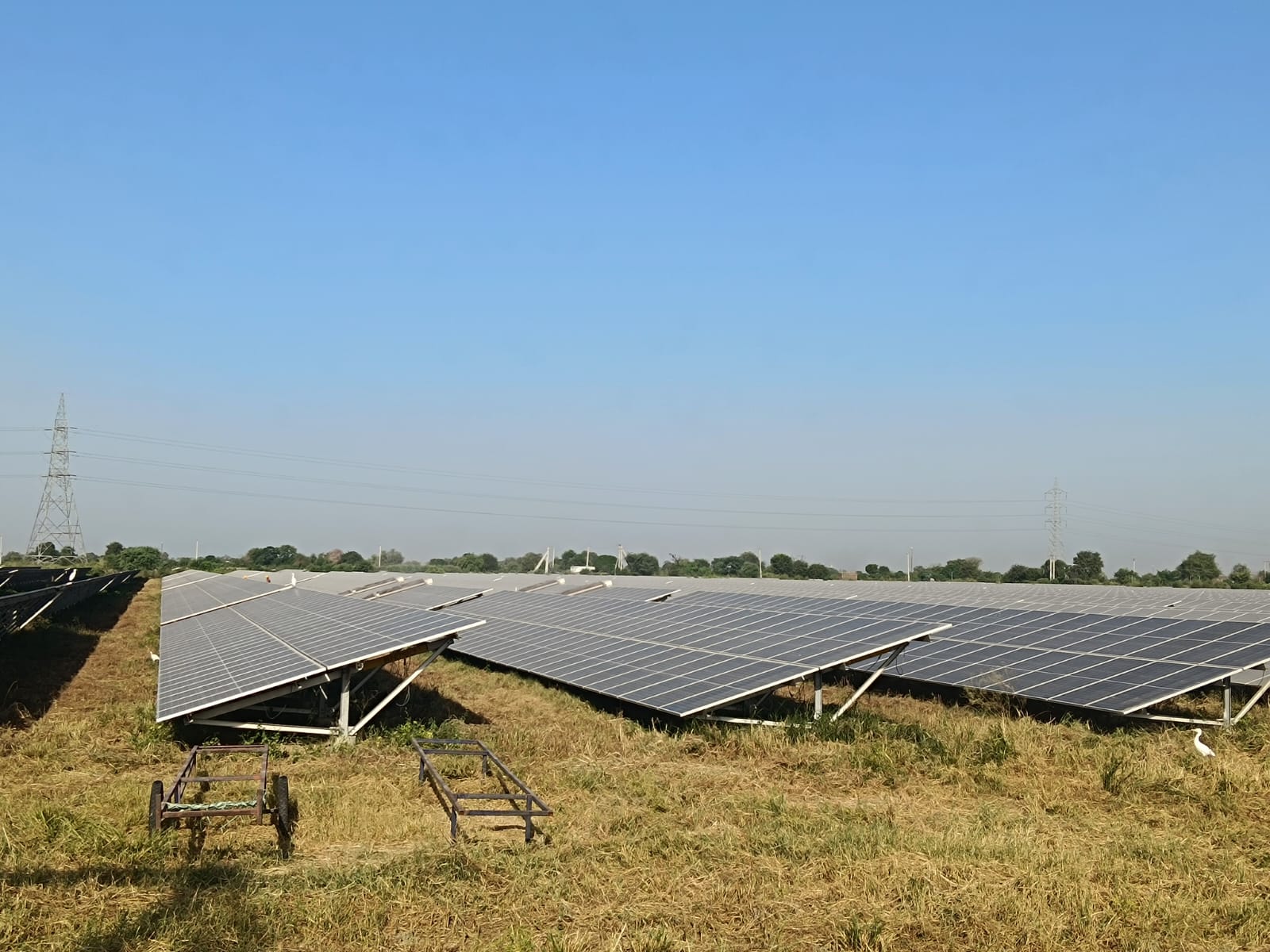
Winter in North India brings more than just lower temperatures for utility-scale solar plants; the dense, prolonged fog cycles create a severe, often underestimated, risk to plant performance. As ambient temperatures drop, nocturnal dew settles on solar modules, trapping ambient dust and soot in a thin layer of moisture. When the sun rises, this mixture evaporates unevenly, leaving behind a hardened, opaque crust that significantly impacts module transmittance.
For asset managers operating at the 10 MW to 100 MW scale, this seasonal phenomenon is a leading cause of sudden, unexpected dips in the Performance Ratio (PR). While summer soiling is primarily driven by dry dust and wind, the winter fog impact on soiling in north plants is essentially chemical in nature, as the moisture-induced sludge bonds more aggressively to the glass surface. Failing to account for this cycle in your O&M budget and site schedule often results in higher cumulative revenue losses than peak-summer dust storms.
Understanding this cycle is essential for maintaining plant uptime. The moisture-laden air during December and January months does not just block light; it prevents natural wind-driven dust removal. In many utility-scale projects across Punjab, Haryana, and Rajasthan, this leads to a daily accumulation of residues that manual or traditional dry-cleaning methods struggle to remove without risking abrasive damage to anti-reflective coatings. For a deeper look at protecting your assets during these high-risk cycles, you can review our guide on preventing robot track wear on PV module coatings to ensure your cleaning infrastructure remains safe during intensive winter operations.
By integrating climate-specific data into your cleaning strategy, you transition from reactive labor-based cycles to a proactive cleaning robot maintenance schedule that accounts for humidity levels and dew points. This shift is critical for IPPs who need to maintain contractual PR thresholds even when the environment works against standard generation models.
Analyzing the winter fog impact on soiling in north plants
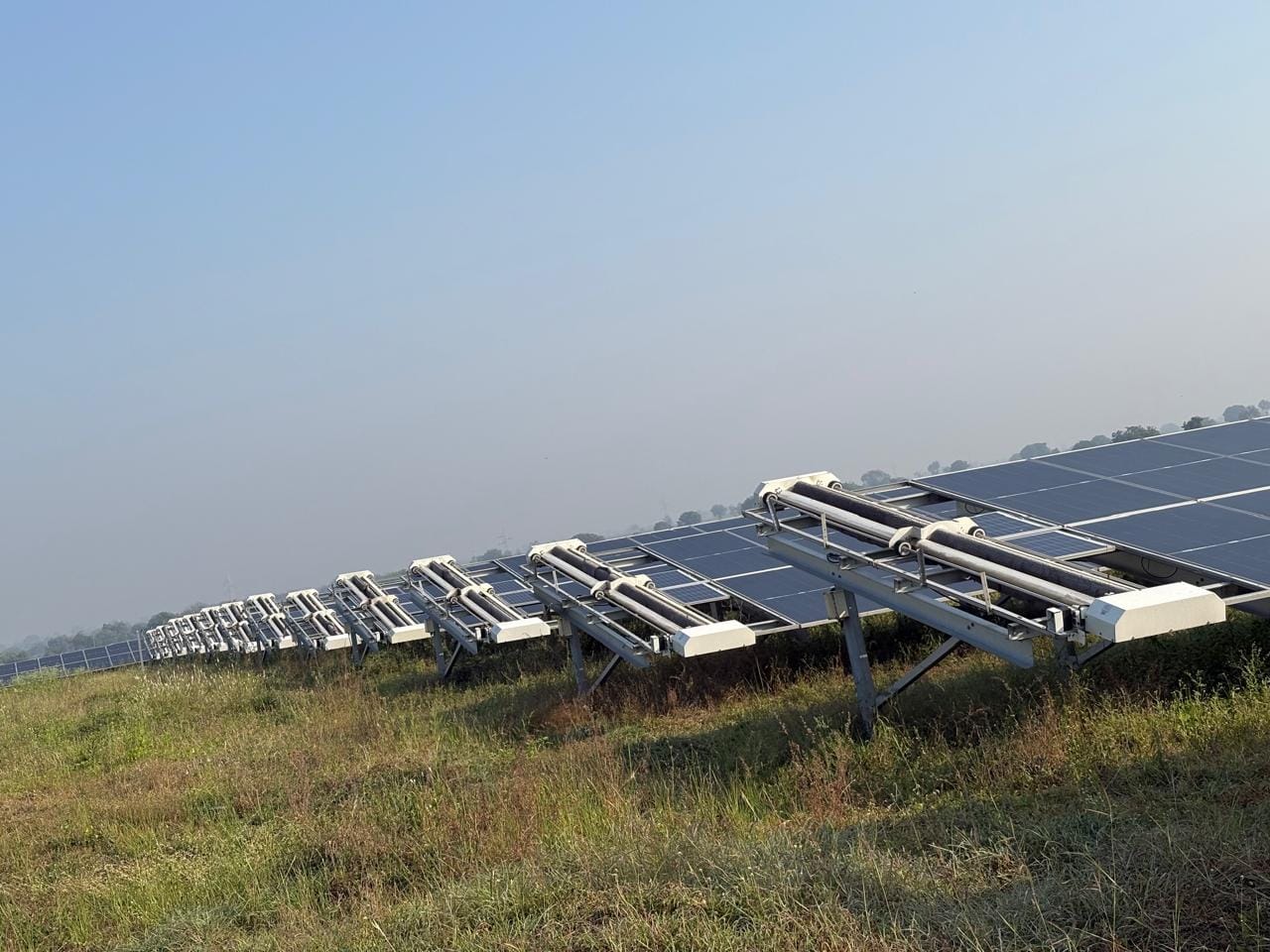
The winter fog impact on soiling in north plants is defined by the interaction between high atmospheric humidity and local particulate matter. In states like Punjab, Haryana, and Rajasthan, fog acts as a delivery system for suspended dust and industrial soot. As temperatures drop toward the dew point, water vapor condenses directly onto the module glass. This film of moisture acts as a trap, binding ambient PM2.5 and soil particles into a sticky, semi-solid residue that resists simple wind-driven shedding.
For a 50 MW plant, this transition from dry, loose dust to a bonded sludge layer typically results in a 1.5% to 3.0% drop in Performance Ratio (PR) within a single 48-hour fog event. Unlike summer dust, which can be partially mitigated by high-velocity wind, winter soiling is static. Once the morning sun heats the glass, the moisture evaporates, leaving behind a hard, calcium-rich crust that creates a non-uniform shading effect. This is particularly problematic for string inverters, as the uneven cleaning across a single tracker row triggers module-level mismatch losses.
Technical site data from across North Indian utility-scale installations indicates that this cement-like residue reduces light transmittance by up to 10% if left uncleaned for more than 7 to 10 days during peak fog months. While manual wet cleaning was the historical standard, the sheer scale of modern plants, combined with water scarcity, has made automated, waterless maintenance necessary. Managers should observe local humidity trends and adjust their cleaning robot maintenance schedule to trigger cleaning cycles immediately following, rather than during, heavy fog dissipation to prevent the robot from traversing glass coated in thick, abrasive slurry, which could otherwise accelerate long-term surface degradation. Ensuring your cleaning infrastructure is robust enough for these conditions is essential; see our analysis on preventing robot track wear on PV module coatings for guidance on selecting the right equipment for abrasive winter cycles.
The technical mechanism: How fog converts dust into 'cement' sludge
In the high-humidity, low-temperature environment of a North Indian winter, fog performs a chemical and physical transformation on the settled particulate matter. During the night and early morning, the relative humidity approaches saturation. This water vapor deposits onto the module glass, creating a thin, microscopic film that interacts with the accumulated layer of dust, industrial soot, and agricultural ash common to regional sites.
The mixture of fine PM2.5 and moisture creates a slurry that, when subjected to the rising morning heat, undergoes a rapid evaporation phase. This process acts like a cement-curing cycle on the glass surface. The dust particles, previously loose and potentially removable by wind, are locked into a calcium-rich, abrasive crust. For plant operators, this transition is the primary reason why manual wind-driven cleaning or simple brushes often fail to clear the modules during winter months without leaving residual streaks or causing surface wear.
This sludge layer creates three distinct operational challenges for utility-scale plants:
- Non-uniform shading: The uneven distribution of the sludge leads to cell-level mismatch losses, which disproportionately degrade the performance of string inverters compared to uniform soiling.
- AR-coating interference: The bonded residue sits within the anti-reflective coating matrix. Traditional abrasive brushing can remove this layer but often strips the AR coating, leading to a permanent reduction in module efficiency over the plant lifecycle.
- Surface tension trapping: The moisture-binding property ensures that new dust falling during the day is immediately trapped in the remaining sticky layer, accelerating the rate of soiling accumulation compared to a clean, dry module surface.
For IPPs looking to manage this specific mechanical degradation, it is critical to align your cleaning robot maintenance schedule with the moisture cycle of your site. Attempting to clear the modules when the sludge is still wet and viscous can cause the robot to struggle with traction, while waiting until the layer has fully hardened often requires a more aggressive or second-pass cleaning approach. Referencing our technical guidance on preventing robot track wear on PV module coatings is essential to ensure that your chosen cleaning method does not compromise the hardware integrity while tackling this difficult winter residue.
Advertisement
Implementing a fog-optimized cleaning schedule for MW-scale plants
For utility-scale assets in North India, the transition from standard calendar-based maintenance to climate-aware O&M is the primary factor in protecting your Performance Ratio (PR). Managers should move away from fixed 15-day or 30-day intervals, which often ignore the cumulative effect of moisture-bound soiling. Instead, implement a weather-triggered logic where cleaning cycles are prioritized within 48 hours of heavy fog dissipating.
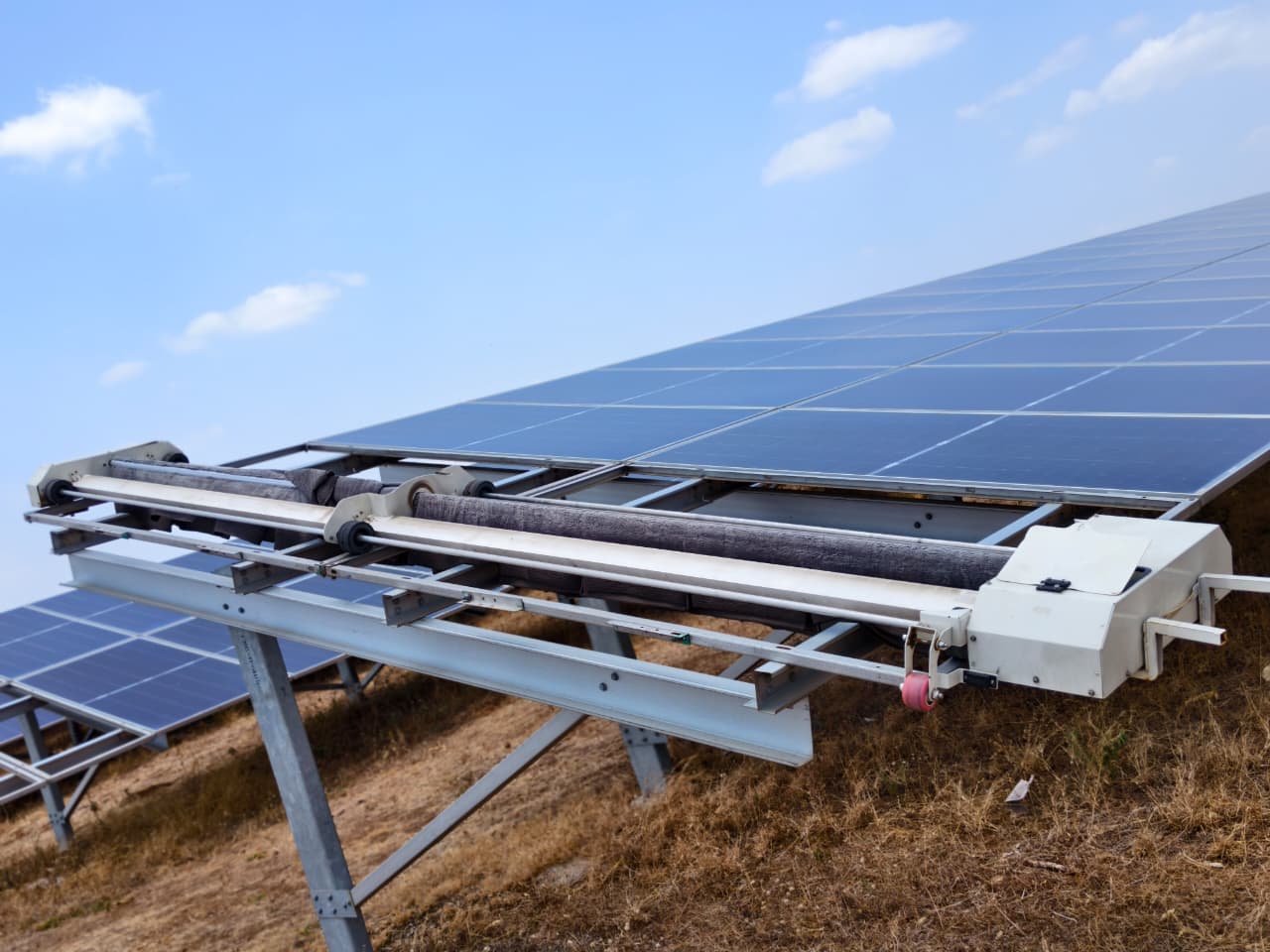
This approach addresses the risk of the sludge drying into a cement-like crust. When using an autonomous cleaning robot maintenance schedule, program your NECTYR fleet portal to increase the frequency of low-intensity brush passes during the peak of the winter season (December through February). This prevents the build-up of the dense, abrasive residue that requires higher-force cleaning, which would otherwise threaten your modules' long-term integrity.
On sites exceeding 10 MW, divide your block deployments based on specific micro-climates. Low-lying areas near agricultural fields or water bodies typically experience higher fog density than elevated parts of the same park. Dedicating additional robotic resources or more frequent cleaning passes to these high-soiling zones allows for a targeted O&M expenditure that maximizes net generation gain without over-servicing low-impact sections of the plant.
It is also essential to adjust robot operating hours to avoid the peak dew formation window, which occurs in the early morning hours just before sunrise. Running robotic systems when moisture levels are at their maximum can lead to poor cleaning outcomes due to surface film adhesion. Shift your operational start times to mid-morning, once the initial solar-induced evaporation has occurred. This strategy ensures the robot interacts with dust that is easier to displace, improving the efficiency of the single-pass PBT or dual-pass microfiber systems and reducing the risk of track wear on the delicate anti-reflective coatings of your modules, as detailed in our guide on preventing robot track wear on PV module coatings.
Critical thresholds: When to trigger O&M cleaning cycles
For utility-scale operators, the decision to initiate a cleaning cycle during peak winter fog should be driven by measurable PR degradation rather than arbitrary calendar dates. A typical threshold for North Indian plants is a 1.5% to 2% drop in the daily Performance Ratio (PR) relative to the baseline of a freshly cleaned reference string. If your SCADA data shows this loss consistently over three days, the accumulation has likely reached the 'cementing' phase where morning dew cycles begin to bind ambient dust into a permanent film.
For MW-scale deployments, establish a tiered threshold system based on the site's local environmental exposure:
- Low-density zones: Trigger cleaning when PR drops by 2.5% over 10 days. These areas typically experience minimal fog-induced sludge.
- High-density zones (near agricultural fields or water bodies): Trigger cleaning when PR drops by 1.2% within a 5-day window. These zones are susceptible to rapid, heavy soiling that risks permanent coating damage.
- Post-Fog Intervention: Regardless of current PR, perform a preventative cleaning pass within 48 hours of any period where heavy, dense fog persists for more than three consecutive days.
Using the NECTYR fleet portal for your cleaning robot maintenance schedule allows you to automate these alerts by integrating SCADA PR data directly with robot deployment triggers. By setting these thresholds, you ensure that your fleet is active only when the generation loss outweighs the cost of a cleaning pass. This avoids the excessive wear caused by running robotic hardware on clean panels, which is a common mistake when relying on static schedules. For technical guidance on minimizing the physical impact of these frequent cycles, refer to our standard protocol for preventing robot track wear on PV module coatings to maintain module warranty and long-term output stability.
How often should North Indian plants clean modules during fog season?
During the dense winter fog months, fixed-interval cleaning schedules fail to account for the rapid formation of soiling sludge. For North Indian utility-scale plants, the frequency must shift from a calendar-based approach to a dynamic, condition-based strategy. In high-exposure zones, expect to move from monthly cleaning to a 10 to 15-day cadence during the peak of winter. If you notice persistent morning humidity, reduce your trigger interval to 7 days to prevent the moisture from binding ambient particulate matter to the panel surface.
The specific frequency for your plant depends heavily on the surrounding terrain. Sites located within 5 kilometers of irrigation-heavy agricultural zones or wetlands require more frequent intervention compared to those in arid, scrubland settings. Monitor your string-level SCADA data to identify blocks that hit the 1.5% PR degradation threshold faster than others; these blocks should receive prioritized cleaning passes to protect against long-term film buildup. Utilizing an automated fleet management system like cleaning robot maintenance schedule best practices allows you to adjust these intervals remotely based on live site telemetry.
For tracker-mounted installations, coordinate your cleaning window with the tracking system's stow-position logic. Ensure the cleaning robot fleet operates while the trackers are in a near-horizontal position, as steep tilt angles during early morning fog can exacerbate uneven surface drying and lead to water-spotting or streak formation. By aligning your cleaning frequency with the local dew point timing, you maintain high performance without increasing the total number of passes per month. This refined operational discipline helps in preventing robot track wear on PV module coatings while maximizing the energy yield recovered from each cleaning cycle.
Resource efficiency: Waterless robotic vs. manual wet cleaning during winter
In the context of North Indian winter fog, manual wet cleaning faces severe operational headwinds that make it both inefficient and financially risky. Manual labor crews require high volumes of water, often sourced from tankers during the winter months, which presents significant logistics challenges and cost variability. When ambient temperatures drop during the fog season, water-based cleaning introduces a high risk of residual moisture freezing or trapping particulate matter in a sticky film, actually worsening soiling losses compared to a dry state. For a 50 MW plant, shifting to automated, waterless robotic systems like the GLYDE series provides a sustainable alternative that completely eliminates the need for water logistics while ensuring consistent performance.
The resource efficiency gap is highlighted by the following utility-scale operational metrics:
- Water Consumption: Manual wet cleaning for a 50 MW site can consume upwards of 50,000 to 100,000 liters of water per cycle. Automated waterless cleaning reduces this to zero, preserving local groundwater resources and eliminating tanker-related OPEX.
- Labor Dependency: Manual teams typically require 10 to 20 personnel for a multi-day cleaning cycle. Autonomous robotic fleets require only one or two supervisory staff for fleet monitoring, significantly lowering the risk of safety incidents and the administrative burden of contract management.
- Consistency and PR Stability: Manual cleaning often leads to variability between rows based on worker speed and technique. Robotic cleaning provides a standardized, dual-pass mechanical contact that yields consistent PR recovery, especially vital in high-density soiling zones where morning dew turns dust into sludge.
By adopting a waterless approach, asset managers also avoid the hidden costs associated with manual cleaning, such as water purification or handling to prevent panel spotting. For deep technical insight into how to manage these fleet-scale assets without compromising the structural integrity of your modules, refer to our protocol on preventing robot track wear on PV module coatings. Shifting to an automated platform ensures your cleaning robot maintenance schedule remains predictable even when weather conditions fluctuate during the peak fog season.
What plant managers should do next
Addressing the winter fog impact on soiling in North Indian plants requires a shift from reactive cleaning schedules to proactive, site-specific management. Asset owners should prioritize a comprehensive audit of current soiling losses to establish a site-specific baseline for PR degradation during the November-to-February window. By integrating localized meteorological data, such as dew point monitoring and fog density forecasts, managers can refine the cadence of their cleaning assets to intercept soiling before it calcifies into harder-to-remove layers.
For MW-scale facilities, it is essential to review current O&M contracts to ensure performance incentives are aligned with actual generation recovery rather than just the number of cleaning passes completed. As fog-induced soiling often impacts rows unevenly, managers should implement a staggered cleaning protocol that prioritizes rows showing the steepest PR declines. The following actions provide a roadmap for optimizing winter operations:
- Establish baseline telemetry: Use SCADA data to correlate morning PR dips specifically with high-humidity days, creating a 'fog-soiling' sensitivity index for your specific plant location.
- Standardize cleaning window: Adjust cleaning schedules to occur mid-day when ambient temperatures allow for easier dust removal and moisture evaporation, minimizing the risk of re-depositing dust via dew.
- Select moisture-neutral technologies: Transition high-risk, high-soiling sites toward waterless, autonomous robotic solutions that eliminate the logistics of water transport in cold-weather conditions and prevent water-spotting issues.
- Audit fleet health: Ensure your current cleaning hardware, such as those maintained through cleaning robot maintenance schedule best practices, is verified for cold-start performance and track friction in damp conditions.
- Protect module integrity: Given the higher frequency of cleaning required during the foggy season, ensure your equipment minimizes mechanical wear by adhering to protocols for preventing robot track wear on PV module coatings.
By moving to a performance-driven O&M model, plant managers can recover significant generation losses and protect their long-term asset value, regardless of the seasonal atmospheric challenges characteristic of the North Indian landscape.
Sources and further reading
Frequently asked questions
In North India, winter fog creates a moisture layer that traps dust and soot on module surfaces. As this mixture evaporates, it leaves behind a hardened, opaque crust that significantly reduces light transmittance and causes sudden drops in the Performance Ratio.
Dry dust is primarily moved by wind and can often be cleared naturally. Fog-induced soiling is chemical in nature, as the dew creates a sludge that bonds aggressively to the glass, making it much harder to remove without specialized cleaning methods.
Cleaning should be scheduled proactively based on humidity and dew point data. Attempting to clean during active fog cycles can be ineffective, but delaying too long allows the moisture-laden residue to harden, which may require more intensive scrubbing that risks damaging anti-reflective coatings.
Yes, integrating automated cleaning robots helps optimize water usage by allowing for targeted, frequent cleaning cycles. These systems can be programmed to follow climate-specific maintenance schedules, which prevents the heavy buildup of fog-induced grime while maintaining the integrity of module surfaces.