Assessing site architecture and carport accessibility
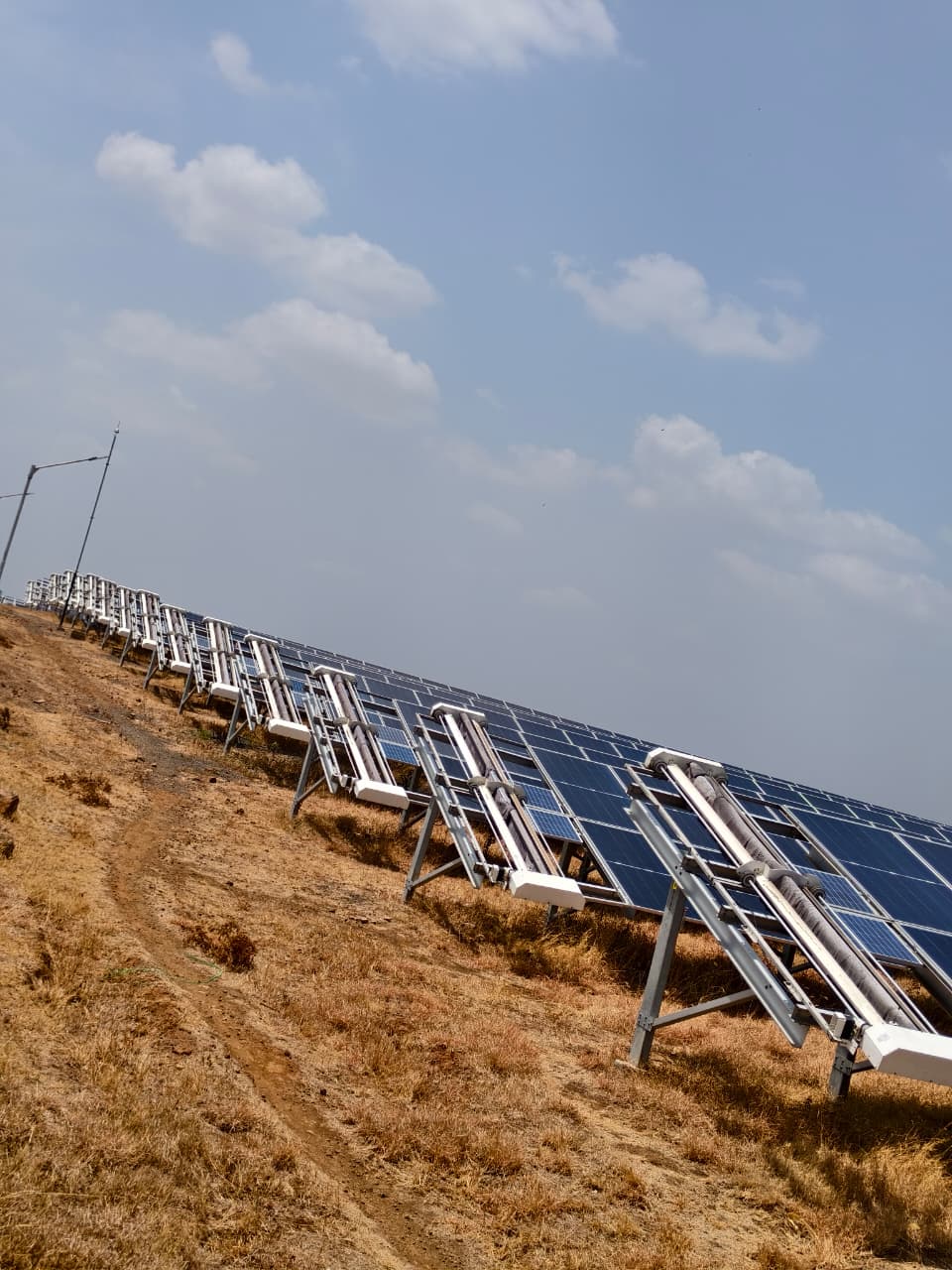
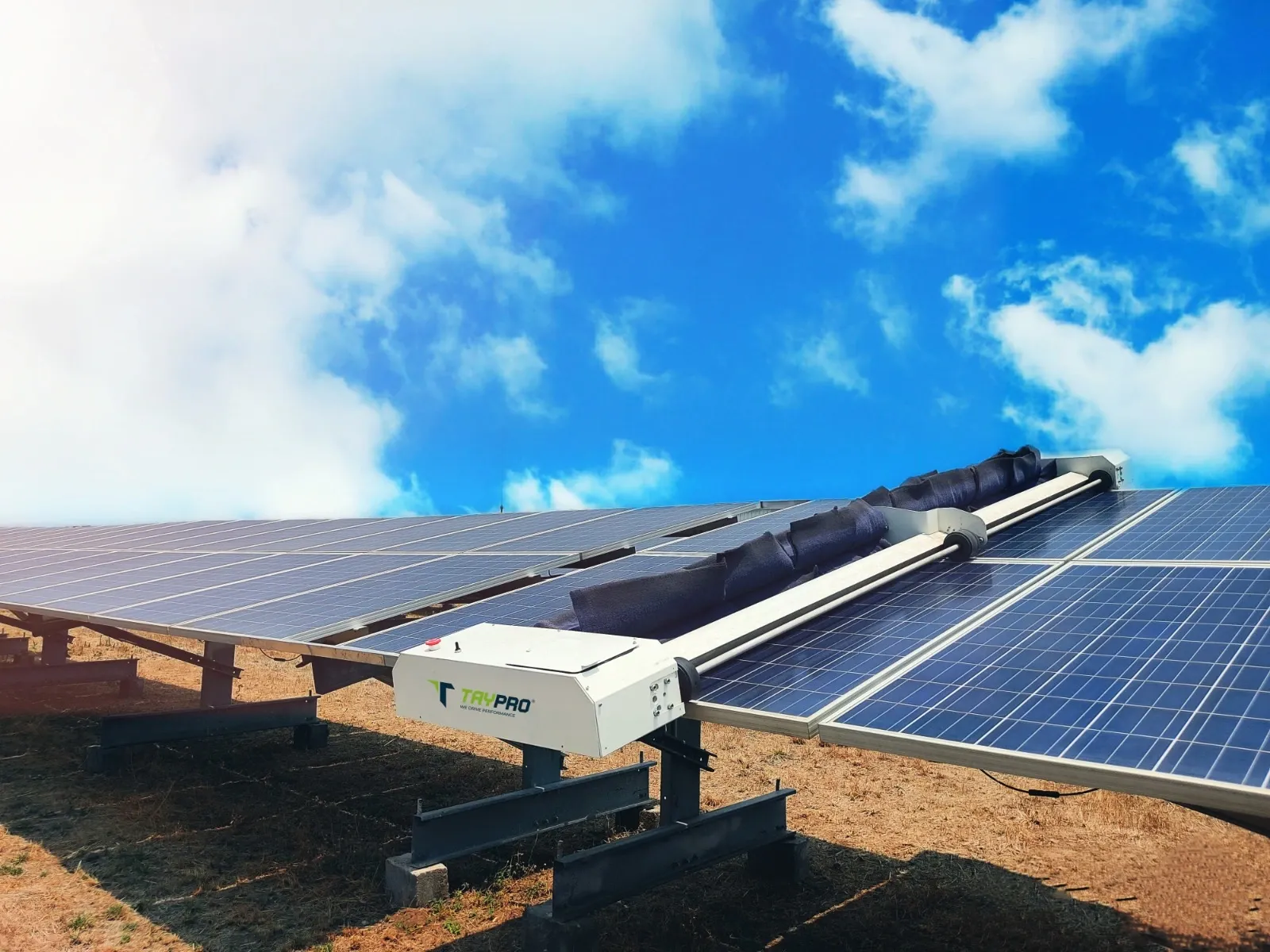
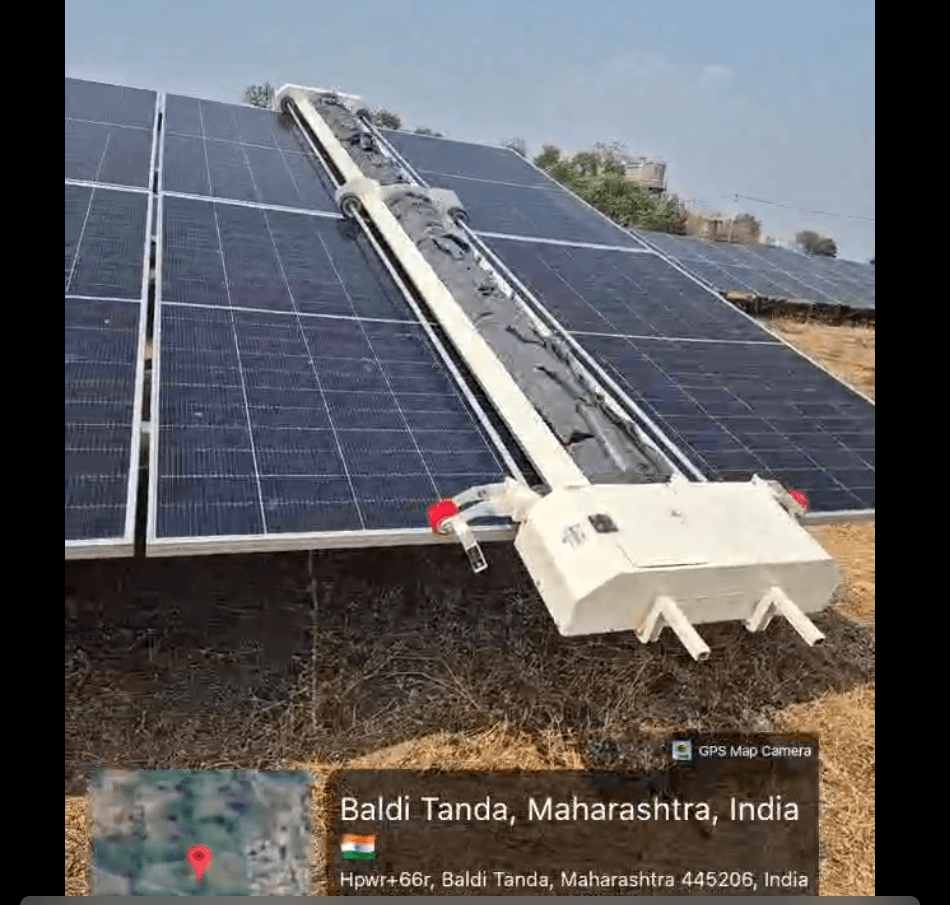
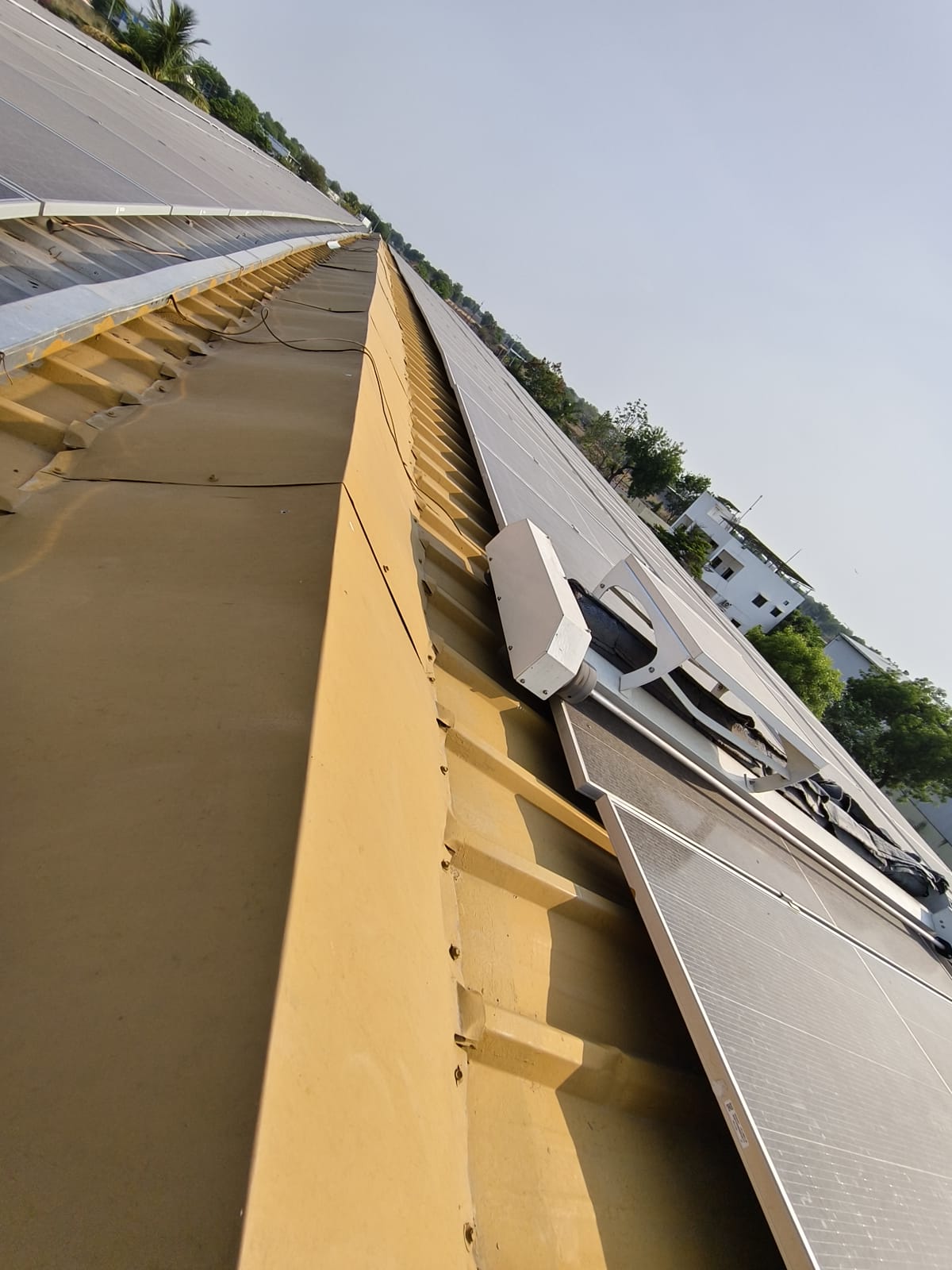
Carports aren't like your standard ground-mount or rooftop setups; they bring their own set of operational headaches. Because these structures are elevated for vehicle parking, you've got exposed underside frames that standard cleaning gear just can't reach. Before you start any cleaning, you need to verify the structural load capacity and make sure the carport rails are actually mechanically accessible. You'll often run into unique row spacing and vertical clearance limits, which can easily block the movement of semi-automatic or autonomous robots.
In regions like Rajasthan or Gujarat, ambient dust can drive daily soiling losses between 0.1% and 0.5%. Your site architecture is what really dictates your cleaning logistics. You should have documented the module tilt, row lengths, and rail clearance during commissioning. Heavy steel structures with tight turning radii can stall robot movement, so you might need rail extensions or platforms just to ensure they can transit. Catching these limits early prevents deployment failures. Learn more in our guide on row spacing and design for cleaning robot compatibility.
Technical requirements for safe maintenance
Cleaning carports at height means strict safety protocols are a must. Most sites are moving away from manual water washing to get the cleaning load onto the structure more safely. The goal is to minimize weight-induced stress on the module frames. If you're running automated systems, keep an eye on how robot weight interacts with structural fatigue; it's vital for long-term site health. Read our analysis of preventing robot track wear on PV module coatings. Always audit your mounting integrity before you ramp up cleaning frequency, as even minor vibrations from equipment can loosen fasteners.
The operational impact of soiling on carport arrays
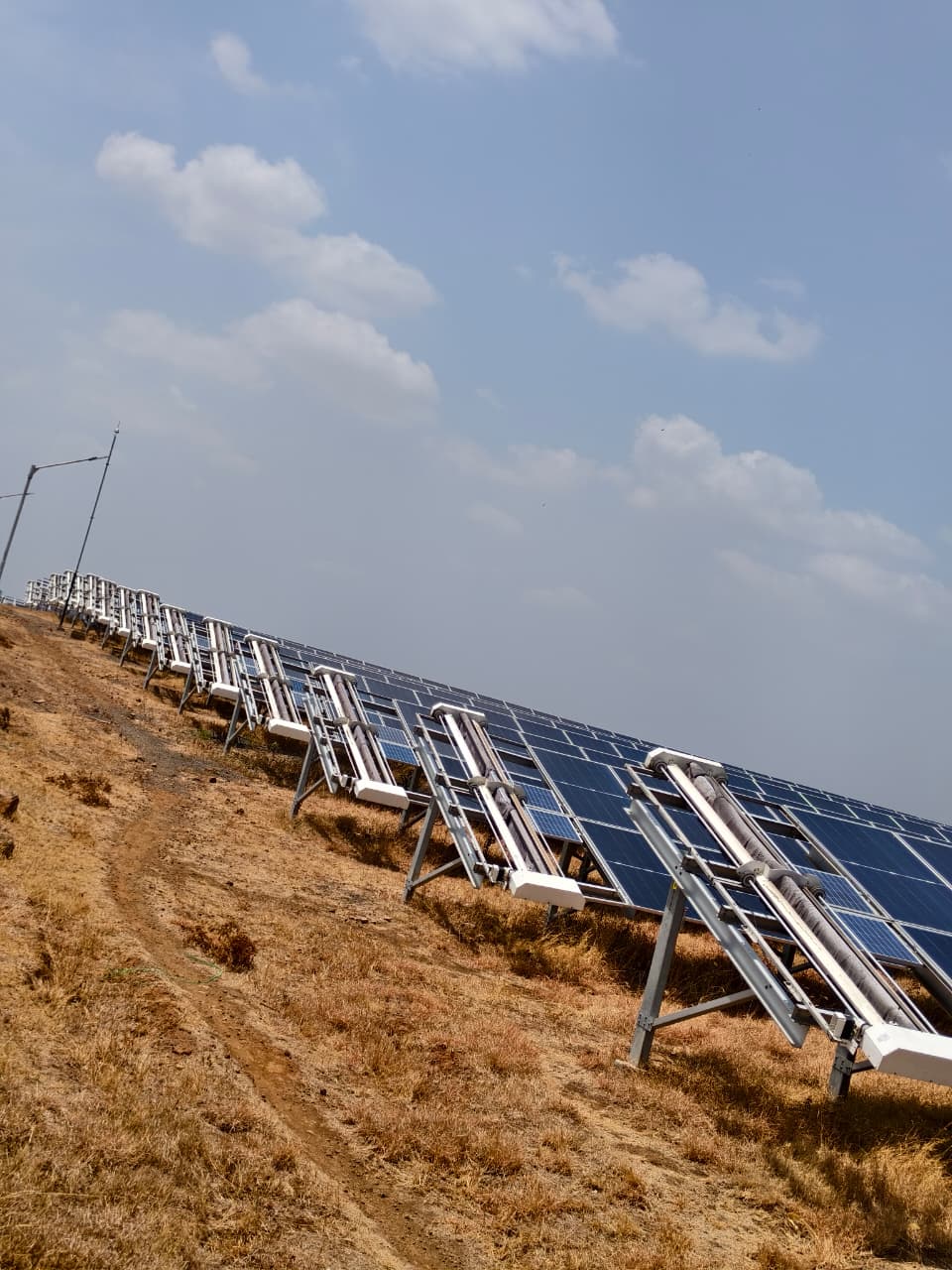
Soiling on carports doesn't follow the same pattern as ground-mount arrays. Airflow turbulence and parked vehicles change the way dust settles. These structures act as heat traps, and that extra heat can make dust stick to the module surfaces even faster. Plus, in high-traffic commercial zones, dust often carries oily residues from vehicle emissions, creating a film that rain won't wash away. A 5 MW C&I site can lose 0.2% to 0.6% of its daily Performance Ratio (PR) just from this film, and those losses compound into a massive annual revenue hit.
Carport geometry also tends to cause uneven dust distribution. Perimeter modules catch more debris from the wind, while center rows might stay cleaner until a major weather event hits. If you don't clean these regularly, the differential creates string-level mismatch. This mismatch forces your string inverters to operate below their maximum power point, which penalizes the performance of the entire inverter block. See our module degradation vs soiling loss analysis for details.
Quantifying the soiling threshold for C&I sites
Don't just rely on generic solar park schedules; set your cleaning trigger by monitoring localized soiling rates. A 1% to 2% drop in energy yield is a common economic trigger. If your site doesn't have sensors, you can estimate the threshold by tracking PR decline over a seven-day period. In high-dust areas, waiting more than 15 days leads to hardened soil, which makes it much harder to restore transmission using water or mechanical methods.
Safety and technical requirements for cleaning aloft
Working at height on carports introduces specific hazards. Your staff will need high-level access platforms or specialized equipment, but that gear must not exceed the structural load-bearing capacity of the steel framework. Asset managers should run a load-bearing audit before starting any cleaning schedule. If you're using manual methods, fall protection is non-negotiable. You've got to standardize harness anchor points and secure the perimeter to meet Indian safety standards.
Advertisement
Technical integrity is just as critical as safety. Carport modules often use aluminum profiles or clamps that can suffer fatigue from the vibrations of cleaning machines. Ensure your solar panel cleaning system is certified for your specific module frames. You can use the NECTYR fleet portal to verify robot contact pressure, which prevents micro-cracking and glass damage. Also, check all mounting fasteners after cleaning as per your cleaning robot maintenance schedule.
Keep the weather in mind when dealing with elevated rows. Carport designs have non-linear drainage and varying wind profiles. Verify that your cleaning routes don't just push dust onto the customers' vehicles below. Prioritize directional cleaning that sweeps debris toward safe zones, and document these technical constraints in your site O&M manual to reduce the risk of module degradation and liability issues.
Is manual or automated cleaning better for your carport?
Choosing between manual and automated cleaning comes down to access, safety, and scale. Manual brushing is common for sites under 1 MW, but it carries a higher risk of module damage because of inconsistent pressure. As sites scale toward 5 MW to 10 MW, automated solutions become the superior choice. They provide consistent pressure and the kind of scheduled, high-frequency cleaning you need to prevent hardened dust layers in dry regions.
| Factor | Manual Cleaning | Automated Cleaning (Robotic) |
|---|---|---|
| Resource Intensity | High (Frequent labour management) | Low (Remote oversight via NECTYR) |
| Safety Risk | High (Working at height) | Low (Docked/remote operation) |
| Cleaning Consistency | Low (Operator dependent) | High (Uniform pressure/path) |
| Water Consumption | Variable (Wet washing risks) | Near-Zero (Waterless technology) |
| Optimal Site Scale | Sub-1 MW | 1 MW to 100+ MW |
Focus on structural compatibility and your long-term OPEX strategy. For carports using single-axis trackers, use robots designed for varying tilt angles. Relying on waterless systems preserves your module warranty and ensures reliable PR recovery, as documented in our optimizing robot fleet size guide.
Managing water use and chemical runoff in commercial spaces
Carports are often in high-traffic zones, so water-based cleaning is a real liability for vehicle damage. Wet cleaning often results in runoff that leaves mineral deposits on car paint, leading to customer complaints and unnecessary PR friction. Transitioning to waterless cleaning is the industry standard now, it eliminates both environmental and operational headaches.
Implementing a waterless strategy requires a review of your maintenance schedule. You need to ensure you're meeting the 15-30% soiling mitigation threshold in high-dust corridors. Waterless robotic systems allow for precise, zone-by-zone cleaning, which prevents dust from building up and hardening. This lets you maintain output without the hassle of trucking water to the site. You can even integrate this into your O&M plan using carbon credit calculations to show your sustainability metrics.
Standardizing cleaning frequency across the portfolio
If you want to control costs across a portfolio, you need standardization. Don't set a static monthly schedule; instead, adopt a dynamic frequency based on real-time soiling data. For India, an automated cleaning cycle every 7 to 10 days is the recommended baseline. This interval keeps your PR within 2% of the maximum and provides a stable return on your O&M spend.
Centralize your monitoring through the NECTYR fleet portal so managers can verify that every robot actually finished its path. By standardizing your technical triggers, you ensure that cleaning provides an actual economic return. This proactive oversight protects your modules from degradation and keeps your operating margins healthy across the entire portfolio.
What plant managers should do next
- Conduct a structural load audit to confirm the carport can support cleaning equipment.
- Review 12 months of PR data to align your budget with high-soiling months.
- Evaluate the TCO of your cleaning contract against an OPEX-based robotic service.
- Audit your cleaning schedule against local dust data to move from reactive to data-driven cleaning.
How often should you clean solar panels on a 50 MW plant?
The best cleaning frequency depends on your local soiling rate and the resulting PR impact. In high-dust environments like Rajasthan, you should aim for an automated cycle every 7 to 10 days. Standardizing this frequency across your portfolio allows for tighter OPEX control and reduces long-term module degradation from caked-on dust.
Site managers should use dynamic triggers based on real-time generation. A 1% decline threshold is standard professional practice to ensure cleaning provides a clear economic return. Centralize your monitoring via the NECTYR fleet portal to reduce manual inspections and keep your operating margins healthy.
Sources and further reading
Frequently asked questions
The best solutions involve a combination of robotic cleaners and semi-automated systems that account for the unique elevation and structural constraints of carports. Managers should prioritize equipment that minimizes mechanical stress on mounting frames and ensures compatibility with the specific rail dimensions and end-of-row clearance of the site.
Carport architecture dictates logistics due to vertical clearance constraints and row spacing. Designers must verify the load-bearing capacity of the structures and the turning radii available at the ends of rows. If equipment needs to navigate these sections, you may require specific rail extensions or landing platforms to ensure continuous and safe transit.
In high-dust regions like Rajasthan or Gujarat, sites can experience daily soiling losses ranging from 0.1 percent to 0.5 percent. Based on these loss rates, O&M managers should establish a frequent cleaning schedule tailored to the specific ambient dust levels of the region to prevent significant energy yield degradation.
Automated cleaning equipment introduces mechanical vibrations and weight loads that the structure may not have been originally rated to sustain. Regular audits are necessary to check for loose fasteners and structural fatigue, as improper deployment can lead to mounting failures over time.