Quick answer
In Indian utility-scale plants, soiling and moisture in combiner boxes are major drivers of electrical failure and unplanned downtime. Don't wait for things to break, stick to a strict maintenance schedule to stay ahead of them.
- Typical electrical risk: Soiling can cause overheating or electrical tracking. This can lead to a 1-5% DC loss before failure.
- Inspection frequency: Check monthly during the Indian monsoon. Check quarterly in dry regions like Rajasthan.
- Moisture threshold: Inspect seals immediately if IP65/IP67 integrity looks compromised.
- Dust threshold: In high-risk zones (PM10 > 100 µg/m³), check enclosure vents every two weeks.
Plant managers need to check enclosure seals well before the monsoon hits. You also have to manage dust buildup to stop conductive paths from forming on internal components. Use fleet telemetry to spot early degradation. This is critical for performance ratio maintenance on large-scale Indian sites. Standardizing these checks in your O&M manual helps prevent junction box failures and keeps your uptime steady.
Understanding the risk: How solar combiner box soiling affects electrical integrity

In utility-scale plants, the combiner box is often the first point of failure because environmental stressors hit these units hard. Fine dust, like the PM10 we see in Rajasthan and Gujarat, can get inside the enclosure and settle right on the busbars and terminal blocks.
In dry conditions, dust acts as an insulator, which can block cooling airflows and cause local heating. But the real trouble starts when moisture enters the mix. When humidity climbs during the monsoon, the risk goes up significantly.
Settled dust absorbs moisture during dew cycles, creating a conductive path across critical components, a process known as tracking. This massively increases the chance of short-circuits or ground faults. Enclosures rely on IP ratings to block water and solids, but any seal breach lets this dust-moisture mixture in. As we see in our review of inverter efficiency and plant performance, minor electrical errors can trigger false alarms, causing unnecessary string isolations that lower the plant Performance Ratio.
Plant managers have to watch for that shift from simple dust buildup to humidity-driven conductivity. If your site is in a high-dust area, the combiner box is a constant maintenance variable. Electrical failure often happens when dust density allows moisture to wick, which can occur in just 14 days of high humidity. Use fleet telemetry to link performance drops directly to weather events.
Moisture and humidity: The primary driver of BOS degradation in India
Dust sets the stage, but moisture is what actually triggers the failure. In Indian combiner boxes, moisture is the main catalyst. During the monsoon, humidity in Gujarat and Karnataka often climbs above 80%, which causes dew to condense inside the enclosures.
When moisture hits settled dust, it creates a conductive film that leads to micro-arcing or insulation failures. The risk is highest in older enclosures or those that haven't been maintained well, where heat-cycled gaskets or stressed cable glands have compromised the IP65/IP67 ratings.
Even in dry areas like Rajasthan, night temperatures can drop enough to cause condensation inside the box. This daily cycle of condensation and evaporation leaves behind mineral residues, which make the dust layer more conductive over time.
A box might look clean on the outside but still have internal electrical paths that are invisible to the eye. You can catch these through SCADA alerts for voltage imbalances. For 100 MW+ portfolios, you have to understand how local micro-climates affect your enclosures. High humidity lowers the breakdown voltage of air gaps, a risk that increases in industrial belts where dust might contain conductive salts.
Advertisement
Be proactive with sealing checks before the monsoon. It’s the best way to maintain your overall performance ratio and ensure the combiner box stays a reliable part of your electrical system.
How often should I inspect combiner boxes for soiling and moisture?
A basic calendar-based schedule usually isn't enough for Indian utility-scale assets. We recommend a risk-based schedule that links to humidity sensors and dust data. In the industrial areas of Gujarat or Rajasthan, you should be inspecting seals every 90 days.
Bump this up to monthly checks during the monsoon (June to September). Don't just rely on what you see. Use fleet telemetry to monitor string-level current, which helps you find leakage currents before they turn into full faults.
If your SCADA shows string noise or strange nighttime voltages, act fast. That's a sign that moisture-wicking dust has bypassed the seals. Build these checks into your performance ratio (PR) optimization cycles to reduce expensive, unplanned downtime.
In very dusty areas, sync your inspections with your robotic cleaning schedule. The robots clean the panels, but humans still need to check the BOS hardware. Make sure cable glands are tight against thermal changes. A 90-day cycle is the standard minimum, but move to a 30-day cycle if you start seeing humidity-related alerts.
Implementing a technical maintenance schedule for MW-scale plants
Standardizing combiner box maintenance is vital for large solar sites. You need to move from passive inspections to data-driven actions. At the 100 MW+ scale, micro-climates vary, so a tiered approach to BOS health is necessary.
Follow these steps during your quarterly workflow:
- Seal and Gasket Verification: Check all gaskets and glands every 90 days. In dusty zones, use low-pressure air to clean entries before you inspect them.
- Moisture Mitigation: Check silica gel packs before the monsoon. Replace any saturated packs immediately to stop corrosion.
- Torque and Thermal Cycling: Once per quarter, scan terminal blocks with infrared during peak loads (12:00 PM to 2:00 PM). Loose connections and dust create heat signatures before they actually trip.
- Telemetry Alignment: Compare string voltage reports with physical checks. If a box shows noise during humid mornings, inspect those seals immediately.
Use SCADA analysis to catch faults automatically. This helps O&M teams move from emergency repairs to scheduled upkeep. This preventive rhythm protects your insulation and helps ensure a 25-year asset life.
Thresholds for action: An O&M checklist for electrical risk
Setting clear thresholds helps prevent catastrophic failures. Use these specific triggers to start physical inspections, helping you fix insulation issues before they cause short-circuits.
- String Current Variance: Start a manual inspection if SCADA shows a 5% current variance between strings for 48 hours. This often points to internal oxidation or moisture.
- Nighttime Voltage Signature: Watch for voltage leaks at night. Any reading above 2V during non-generation hours suggests moisture ingress.
- Temperature Delta: Use infrared scans during peak sun (11:00 AM to 2:00 PM). If a component is 15°C hotter than the ambient air, check it immediately; this usually indicates a loose connection or dust buildup.
- Humidity Thresholds: In Gujarat or coastal areas, replace desiccants every 6 months. Replace them sooner if humidity hits 80% for three days.
Mapping electrical symptoms to physical inspections saves a lot of time. Your team can focus on the high-risk points identified by fleet telemetry, keeping your BOS integrity high and your plant PR stable during the monsoon.
Comparing cleaning and mitigation methods for BOS protection
Deciding between manual labor and automated systems is a major call. Manual work relies on contractors who might lack proper electrical training, while automated systems provide consistent care for your entire fleet.
| Method | Effectiveness on Soiling | Moisture Mitigation Capacity | Suitability for MW-Scale |
|---|---|---|---|
| Manual Cleaning | Variable; depends on crew training | Low; limited to external surface wiping | High overhead; scaling challenges |
| Autonomous Robotics | High; 95% to 99% dust removal | Integrated via telemetry-based scheduling | Best for standardized, data-driven O&M |
| Scheduled Maintenance | Periodic; leaves gaps in PR | Reactive; risks ingress during monsoons | Essential for compliance and safety |
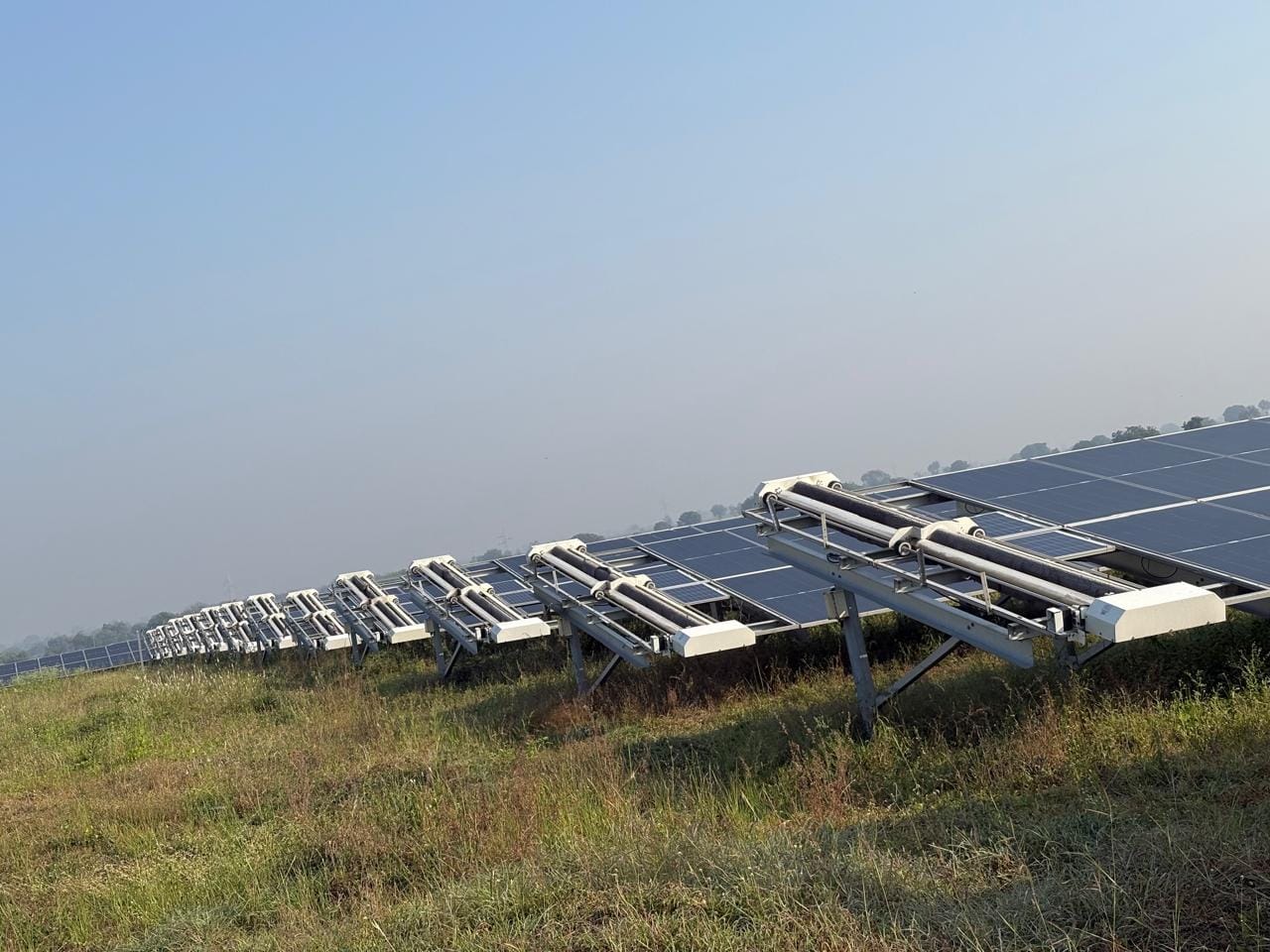
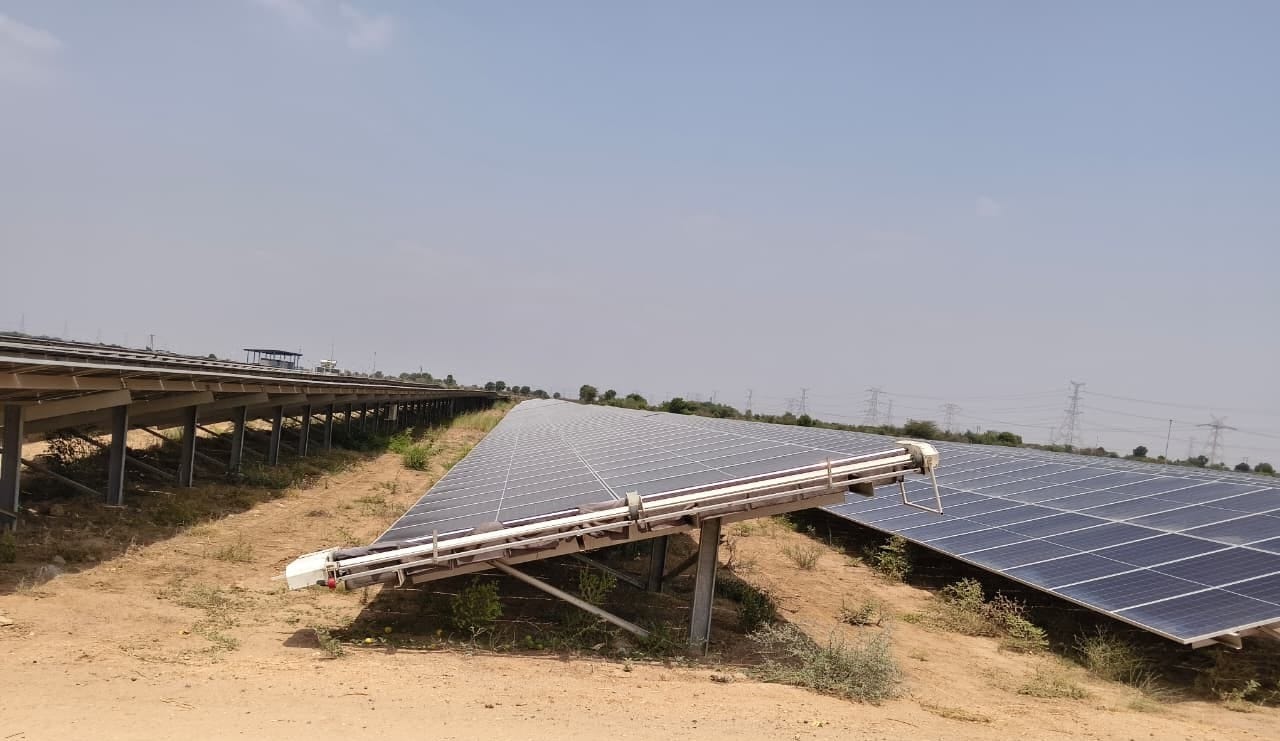
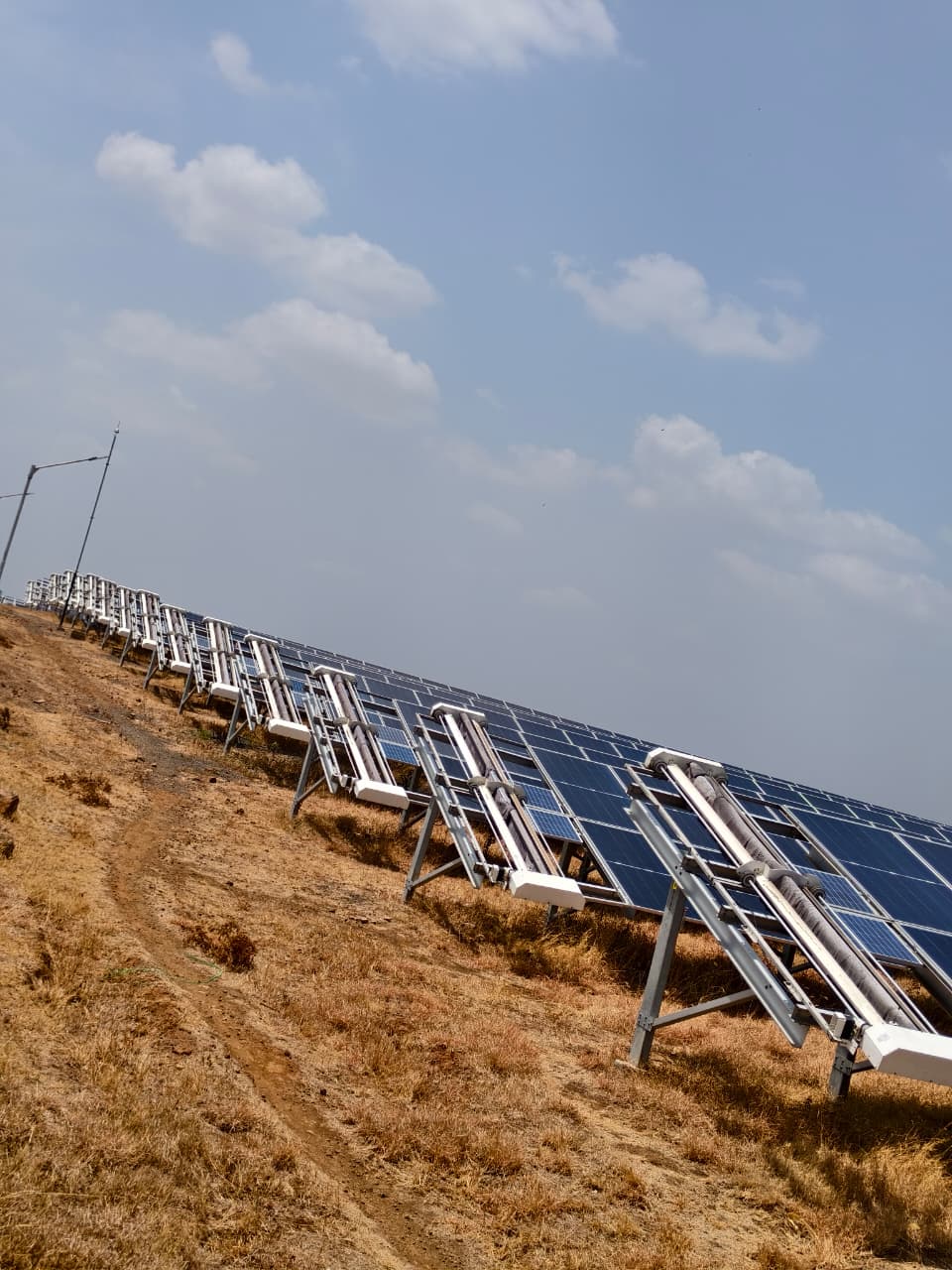
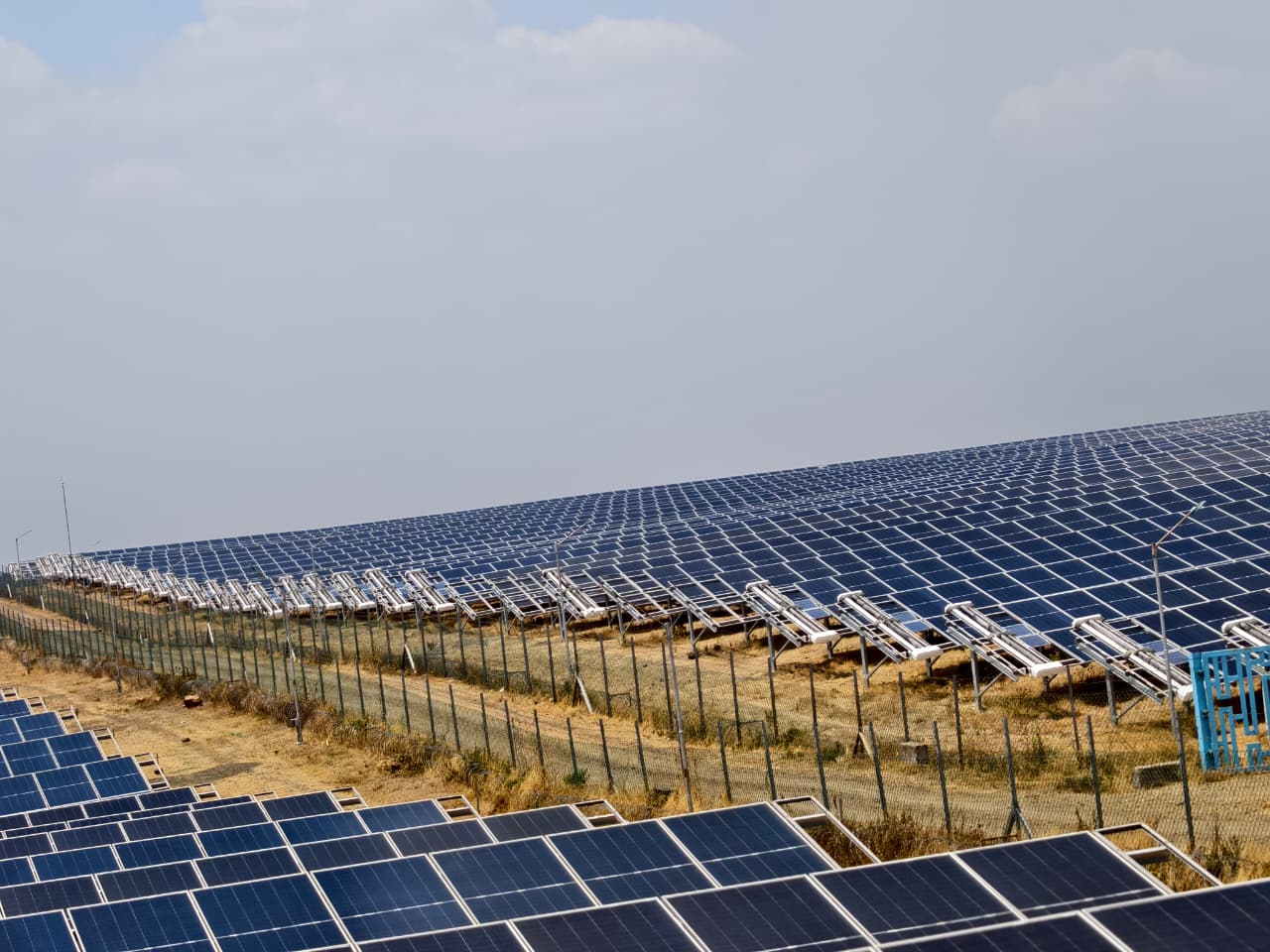
Manual brushing is common but often inconsistent. Human operators can accidentally cause micro-cracks or damage seals. In contrast, robotic systems offer precise, repeatable cleaning. Top Indian IPPs are using fleet solutions to reduce human error, recovering up to 99% of dust and preventing the moisture wicking that harms junction boxes. Moving to an automated telemetry approach keeps components clean and dry, which helps meet CEA standards.
What plant managers should do next
To tackle soiling and moisture, stop relying on reactive repairs. Switch to a systematic, data-informed schedule, this is essential for Indian utility-scale sites facing high humidity and dust.
- Integrate SCADA Alerts: Set alerts for nighttime voltage anomalies above 2V to catch moisture before a short-circuit occurs.
- Standardize Enclosure Audits: Use infrared thermography during peak sun (11:00 AM to 2:00 PM) to find hidden hot spots in busbars.
- Audit Desiccant and Seal Integrity: Replace desiccant packs before the monsoon and replace gaskets if they appear brittle or cracked.
- Optimize Cleaning Cadence: Use fleet telemetry to link cleaning with BOS maintenance and save man-hours.
- Adopt Data-Driven Reliability: Move toward automated telemetry-based maintenance so you can predict failures instead of reacting to them.
Treat the combiner box as an active, monitorable component rather than just a static connection point. This prevents the kind of silent degradation that causes heavy losses. Get these inspections formalized in your O&M manual today.
Sources and further reading
Frequently asked questions
In Indian utility-scale plants, soiling and moisture in combiner boxes cause electrical failures. These issues often lead to system downtime.
When dust inside a combiner box absorbs moisture from humidity or monsoon rain, it creates a conductive path across critical components. This reduces insulation resistance and increases the risk of short-circuits or ground faults.
Operators should perform inspections monthly during the Indian monsoon months and quarterly in arid regions like Rajasthan. In high-risk zones where PM10 levels exceed 100 µg/m3, enclosure vents require visual checks semi-monthly.
The most effective prevention strategy is to verify the integrity of the IP65/IP67 enclosure seals before the monsoon begins. If any compromise to the seal is visually identified, immediate maintenance is required to prevent moisture ingress and internal component damage.