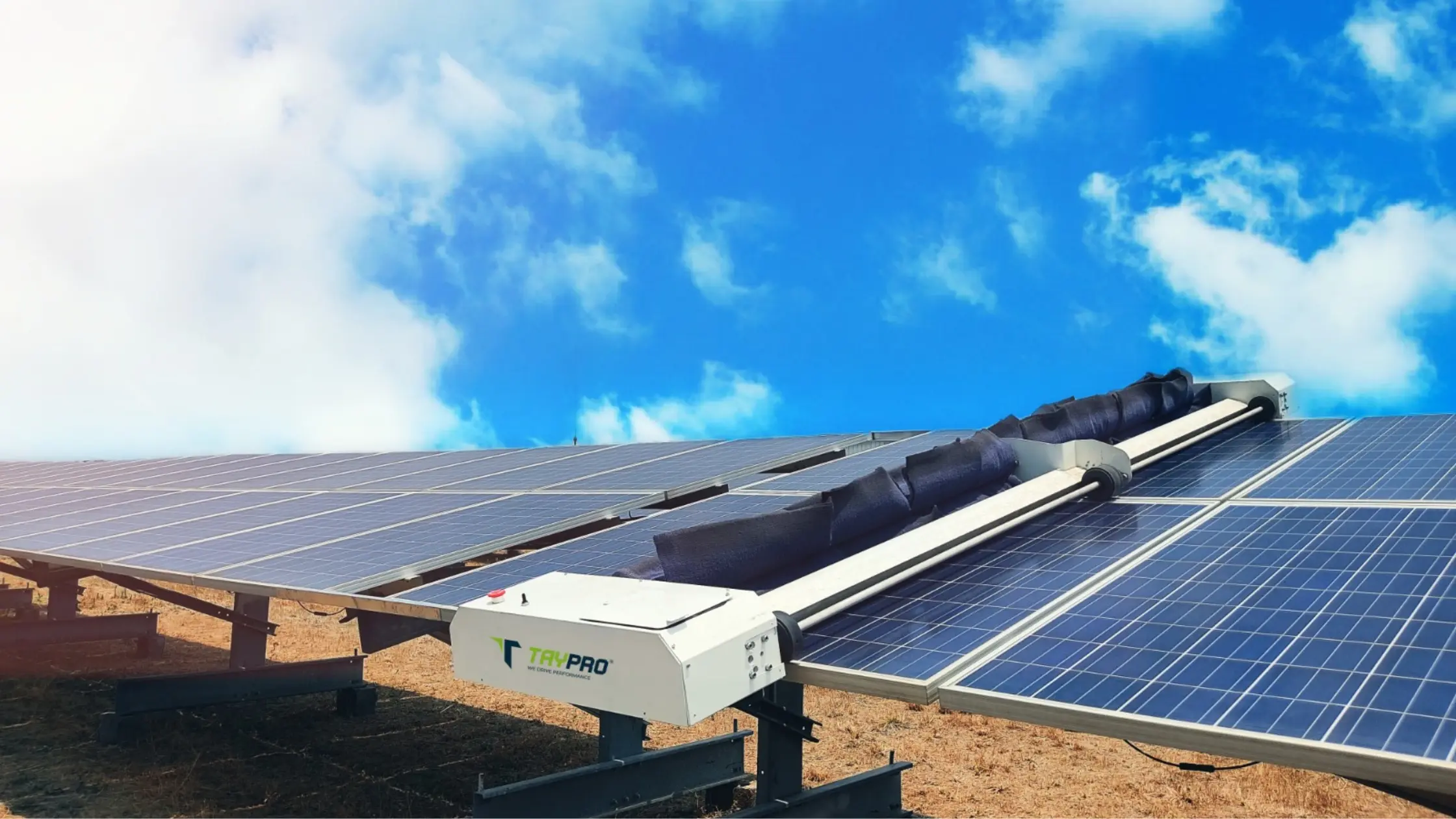

In 2024, Taypro was recognized at the Mint Tech4Good Awards in Mumbai for green AI solutions that address a practical problem on Indian utility solar plants: how to recover performance ratio from dust without the water volumes and labour armies that manual wet programs struggle to sustain at 50 MW and above.
This article covers what that recognition reflects, what Taypro's waterless robotics and data platform aim to solve in the field, and how asset owners should evaluate any award-winning vendor, including structured pilots and proof points that matter more than stage photos.
Quick answer
- Mint Tech4Good 2024 highlighted climate and operations technology with measurable field impact.
- Taypro's focus: waterless robotic cleaning plus O&M data for Indian MW plants.
- Awards validate direction; pilot PR data on your blocks validates purchase orders.
- Demand OEM module approval and fleet uptime logs in writing.
- Selection guide: utility robot evaluation.
What Mint Tech4Good recognizes
Mint's Tech4Good platform showcases technology ventures that combine innovation with social and environmental outcomes. Winners are typically judged on problem severity, scalability, and evidence of deployment, not slide decks alone. For solar, that means solutions tied to delivered megawatt-hours, water conservation, and workforce safety on real plants.
Taypro's recognition sits in that frame: robotics and software aimed at utility-scale solar O&M in India, where dust belts and water stress make cleaning a portfolio risk, not a cosmetic chore.
What Taypro demonstrated: waterless robots and green AI
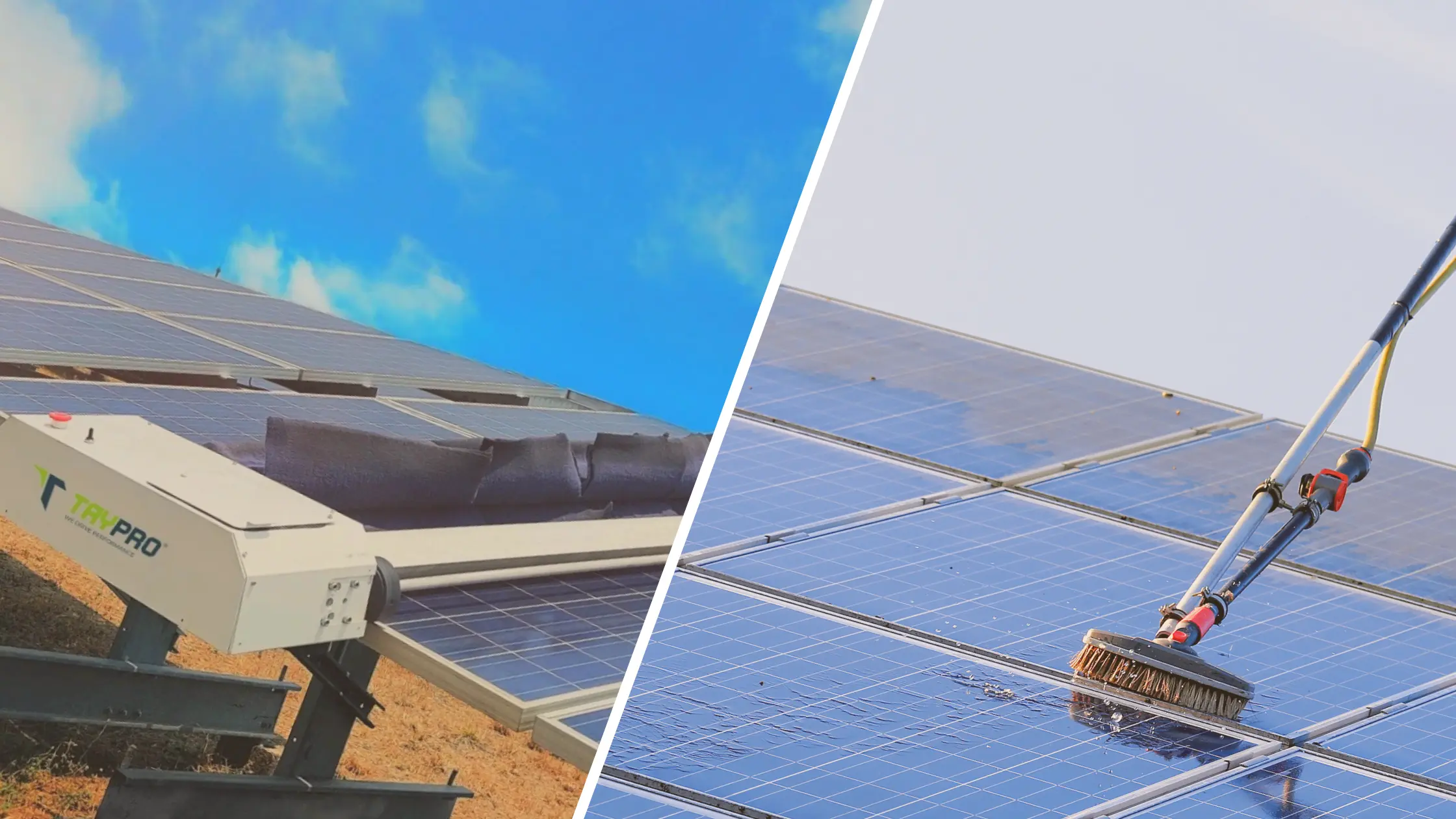
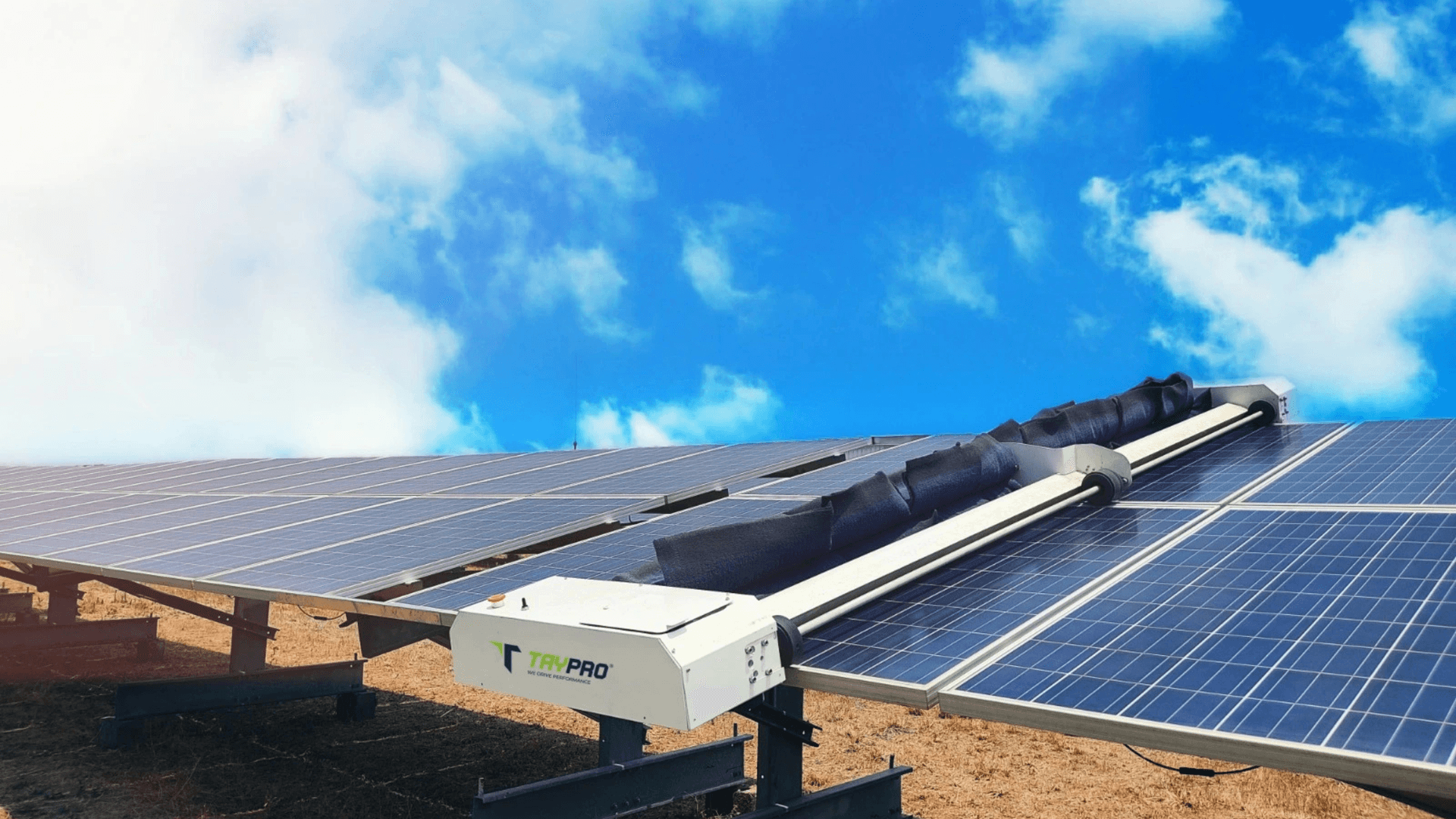
Taypro's approach combines autonomous waterless cleaning robots with fleet telemetry and scheduling logic that ties cleaning to soiling and weather signals. On arid Indian sites, the operational goals are familiar to plant managers:
- Increase cleaning frequency without proportional water withdrawal.
- Log row-level pass completion for asset management and lender reviews.
- Reduce dependence on surge manual crews after pre-monsoon dust events.
- Integrate cleaning events with broader performance monitoring workflows.
Technology detail: waterless cleaning technology, how cleaning robots work, dust-aware scheduling.
Why Mumbai recognition matters in the Indian market
India's solar supply chain is crowded with hardware vendors and software dashboards. Third-party awards help corporate procurement and IPP technical teams shortlist vendors that have passed external scrutiny. For Taypro, Mumbai recognition adds visibility among investors, EPC partners, and O&M leads comparing robotic cleaning options in Rajasthan, Gujarat, and Karnataka clusters.
Visibility is not due diligence. It narrows the search; it does not replace reference visits.
Procurement proof points vs marketing claims
| Proof point | Why it matters | Minimum evidence |
|---|---|---|
| Pilot PR delta | Revenue case for finance | 14-day pre / 7-day post on reference block |
| Fleet uptime | Storm-season resilience | 12 months row completion % |
| Water use | ESG and opex in arid states | Litres per MW vs wet baseline |
| References in your state | Dust and labour parity | Two sites you can visit |
| OEM module approval | Warranty defense | Written bulletin for your SKU |
| Tracker wind interlocks | Safety and coverage | Abort log review after pilot |
Worked example: 10 MW Gujarat pilot scorecard
Illustrative evaluation after vendor recognition but before fleet PO:
| Criterion | Target | Example outcome |
|---|---|---|
| Reference visit in Gujarat | Yes | Pass |
| PR recovery post-pilot | ≥2 points | 2.8 points |
| 12-month uptime (reference site) | ≥85% | 88% claimed |
| OEM approval for 600 Wp TOPCon | Written | Pending = no PO |
| 5-year TCO vs manual AMC | NPV positive | Positive at 87% uptime |
Tools: ROI calculator, cost-benefit framework.
From award headline to site deployment
Disciplined owners treat recognition as the start of a six to eighteen month pilot path:
- Short-list vendors with dust-class references, not press coverage alone.
- Survey row geometry and tracker stow rules before hardware arrives.
- Run parallel PR measurement on two dirty blocks.
- Log pass coverage, water use, and abort causes through one dry season.
- Present MWh and ₹ results to asset management before portfolio expansion.
Install context: robot deployment steps, fleet communications.
Regional relevance: Rajasthan, Gujarat, Karnataka
Award-winning robotics narratives matter most where dust and water stress appear first on balance sheets. Western arid clusters were early adopters because manual wet economics broke at scale. Southern and central sites may still justify manual programs with data; the award does not imply robots everywhere on day one.
Compare methods: traditional vs waterless robots, robotic vs manual overview.
Questions asset owners should ask any award-cited vendor
- Which MW capacity in my state operated through last pre-monsoon season?
- What was row completion percentage during the worst wind week?
- Show PR data from a pilot using our asset methodology.
- Provide OEM cleaning approval for our module and tracker combination.
- What are contract remedies if uptime falls below threshold?
Should awards shortlist a vendor without a pilot?
No. Use Mint Tech4Good and similar recognition to identify credible shortlists, then run identical pilot protocols on your blocks. Awards reduce search cost; they do not replace PR proof, OEM approval, or five-year TCO math on your rows.
Building an internal evaluation committee
Cross-functional teams with O&M, asset management, finance, and HSE should score vendors on pilot design. Weight PR proof and OEM approval highest. Schedule a 90-day readout with go/no-go for expansion. Document lessons for portfolio standards even if a pilot fails.
10 MW pilot weighting template
| Metric | Pass threshold | Weight |
|---|---|---|
| PR recovery on reference block | ≥ 2 points sustained | 35% |
| Row completion in storm week | ≥ 80% | 25% |
| OEM cleaning approval received | Yes | 20% |
| 5-year NPV vs status quo | Positive | 20% |
Water and MWh outcomes investors watch
Tech4Good recognition for Taypro aligns with metrics institutional investors increasingly ask about on Indian solar: litres of water withdrawn per MWh generated, documented cleaning coverage on utility blocks, and whether software reduces reactive O&M firefighting after dust events. Awards do not replace metered proof, but they signal the company is building for those questions.
When Taypro or any vendor presents post-award, ask for portfolio-level water savings versus wet baselines on reference Rajasthan or Gujarat plants and whether pass logs integrated into monthly asset reports off-takers already receive.
Communicating award news internally
Asset managers can use third-party recognition to accelerate internal pilots that were stuck in procurement. Frame the pilot as risk-limited: one block, 90 days, predefined PR success criteria. Procurement gets external validation; engineering keeps technical gatekeeping. That balance prevents both rubber-stamping and endless committee delay.
What changes after recognition in the market
Post-award periods often bring more reference-site visit requests and faster RFP responses from integrators. Use that window to negotiate pilot terms, spare parts stocking, and training days written into contracts before volume discounts lock you into uptime assumptions you have not tested on your rows.
Key takeaways
- Taypro's Mint Tech4Good 2024 recognition highlights waterless robotics and green AI for Indian utility solar.
- Judge field technology on MWh recovered, uptime, water saved, and loaded O&M cost.
- Run structured pilots before portfolio rollout regardless of accolades.
- Integrate cleaning pass data into monthly PR packs lenders already receive.
Industry recognition validates direction; your pilot PR data validates purchase orders. Keep both lenses separate in procurement committees.
Related resources
Frequently asked questions
Taypro was recognized at the Mint Tech4Good Awards 2024 in Mumbai for green AI solutions applied to utility-scale solar operations, including waterless robotic cleaning and data-driven O&M workflows that reduce water use and improve cleaning coverage on Indian MW plants.
Awards signal third-party validation and market traction, not automatic site fit. Procurement should still require pilot rows, PR impact data, module OEM approval, fleet uptime logs, and five-year O&M cost models on your plant geometry.
In practice it means software that connects soiling signals, weather triggers, robot pass logs, and O&M tickets so cleaning happens when dust costs MWh, not on a blind calendar. The environmental benefit is delivered energy and reduced water withdrawal.
Visit reference plants in similar dust regimes, review 12-month fleet uptime through storm seasons, obtain written module cleaning approval, and run reference-block PR studies before portfolio rollout.
Request two reference sites in your state or dust class, pilot PR delta on your reference block, OEM cleaning approval for your module SKU, and contract terms if uptime misses agreed thresholds for two consecutive quarters.