Summary for plant managers
Cybersecurity in solar fleet monitoring software is a critical operational mandate for O&M teams. As plants add more IoT sensors, robots, and cloud tools, the risk of unauthorized network access grows. For Indian IPPs operating large-scale assets, protecting grid stability and generation data is essential for PPA compliance.
- Compliance requirement: Mandatory for all generating stations and captive solar plants with 50 MW capacity or more.
- Primary security focus: Protecting SCADA integration, IoT sensor networks, and fleet monitoring software from intrusion.
- Regulatory deadline: Provisions in the CEA (Cyber Security in Power Sector) Regulations, 2026, take effect on April 1, 2027.
- Risk mitigation: Use multi-factor authentication (MFA) for portals and ensure encryption for all data flowing to the cloud.
A proactive security posture keeps your performance ratio verifiable and meets Central Electricity Authority requirements. Securing your software prevents costly disruptions and protects yield gains. This process is similar to how teams optimize performance ratio metrics or maintain ESG data logs. Moving to a secure, auditable architecture is the next step in professionalizing plant operations.
The rising vulnerability of solar fleet monitoring software teams
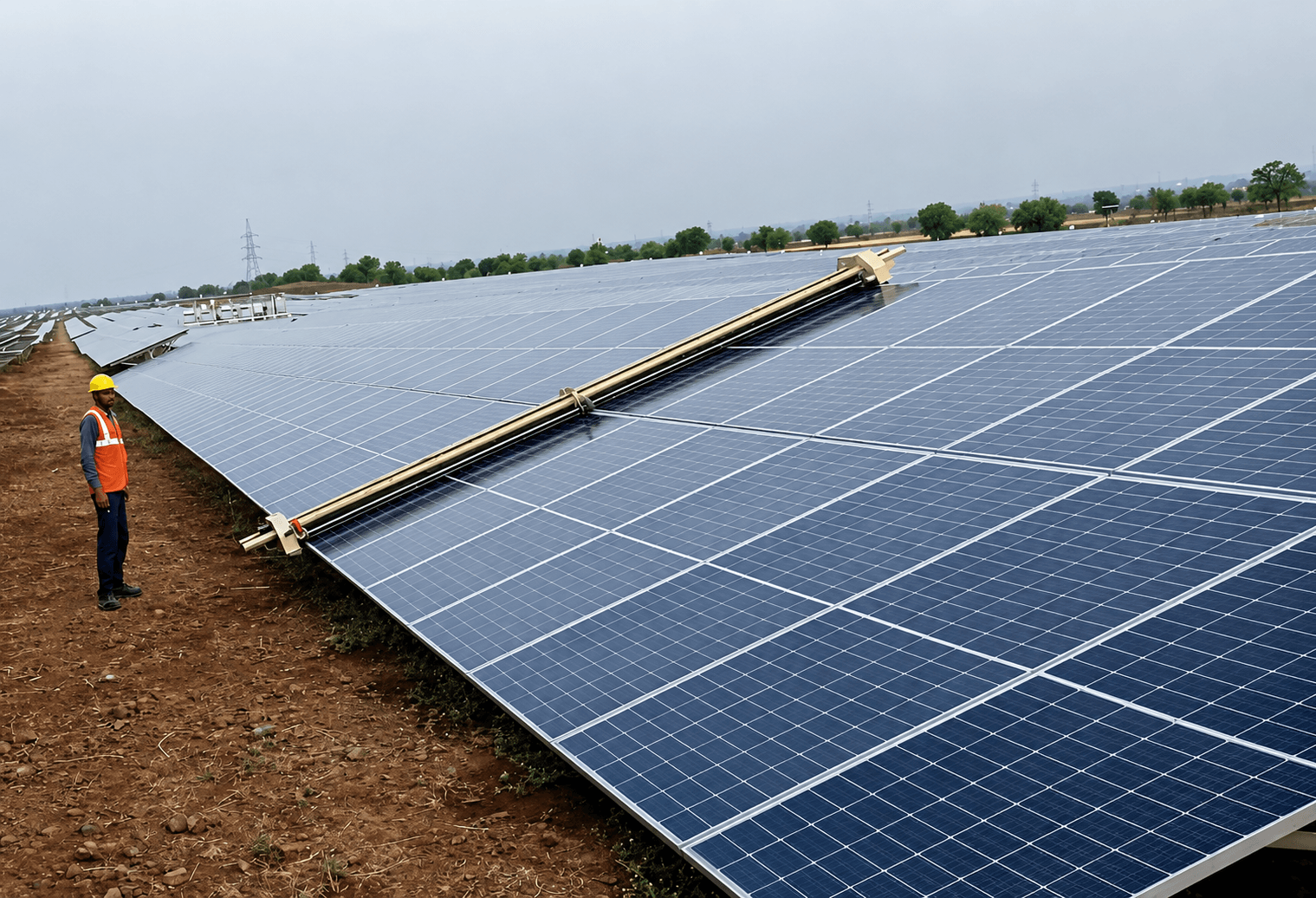
Utility-scale solar portfolios now rely on centralized monitoring software. This creates a new operational bottleneck for O&M teams. Monitoring tools were once passive data aggregators. Now, these platforms manage control loops for inverters, trackers, and automated cleaning systems. When a portal connects to field hardware, it becomes a mission-critical endpoint.
Indian IPPs managing sites in Rajasthan, Gujarat, and Tamil Nadu face risks from varied IoT hardware. Many legacy sites use a mix of gateways and converters that often lack encrypted telemetry. Without a hardened architecture, these interfaces can be exploited to access site controls. This could lead to unauthorized tracker maneuvers or grid-disconnect signals.
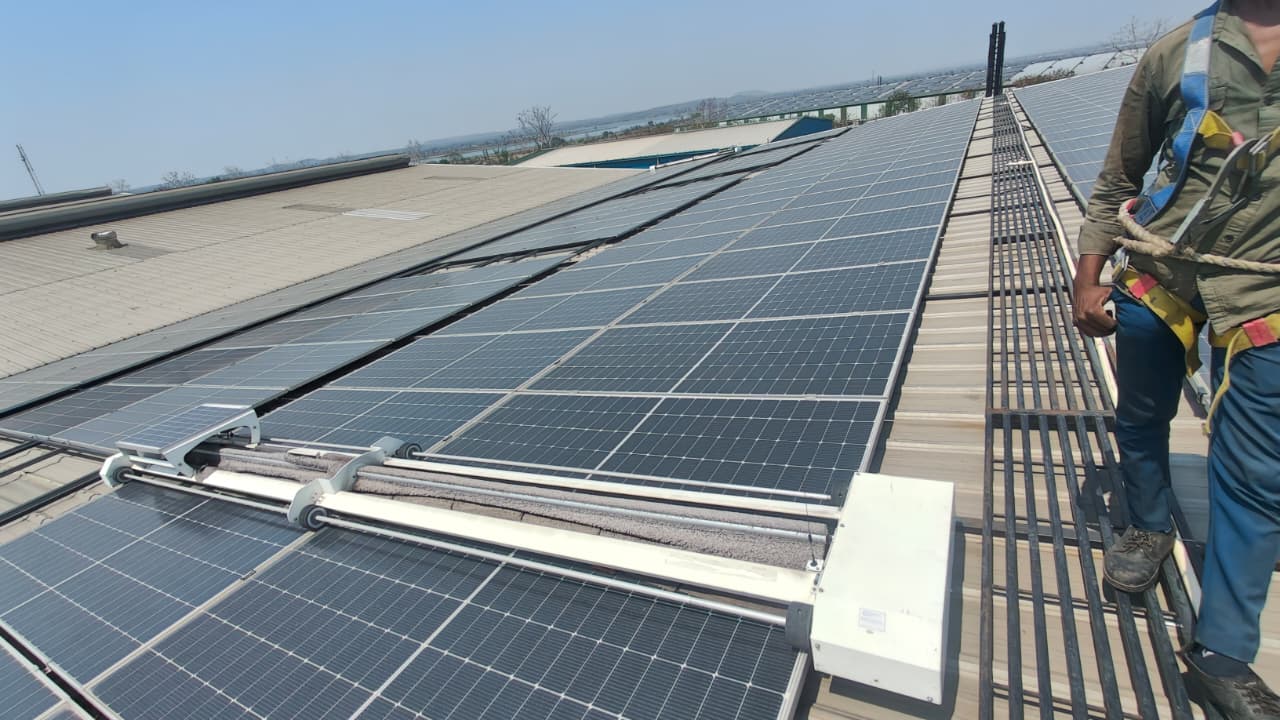
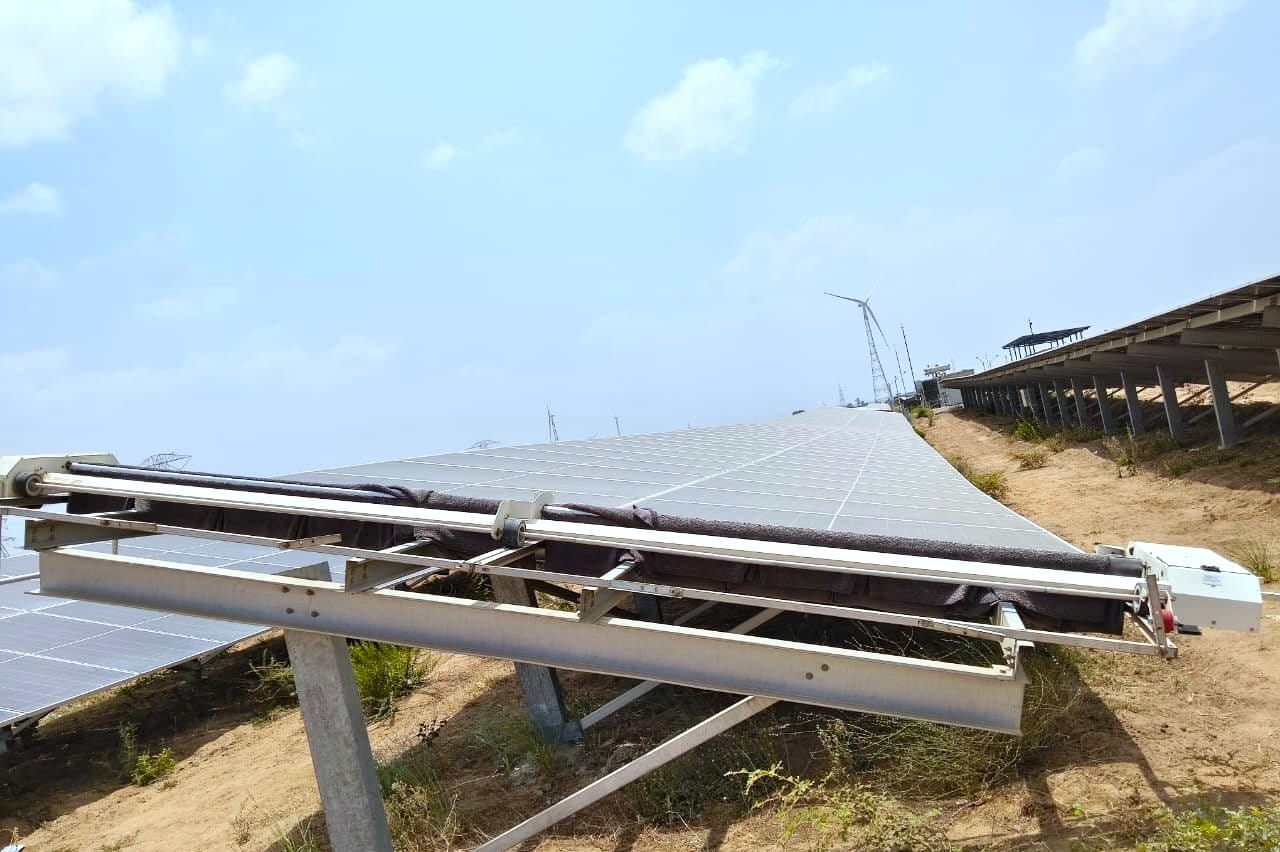
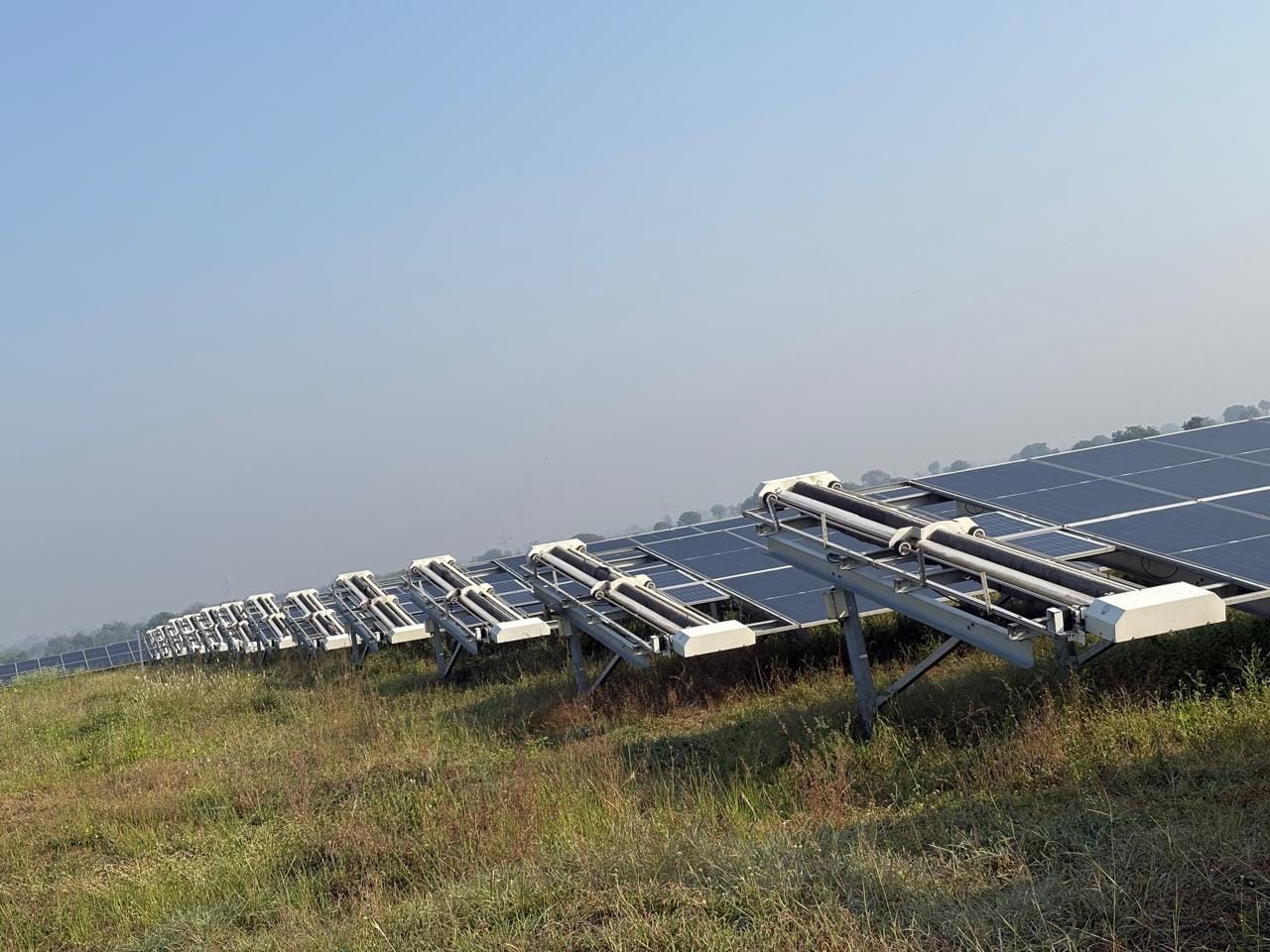
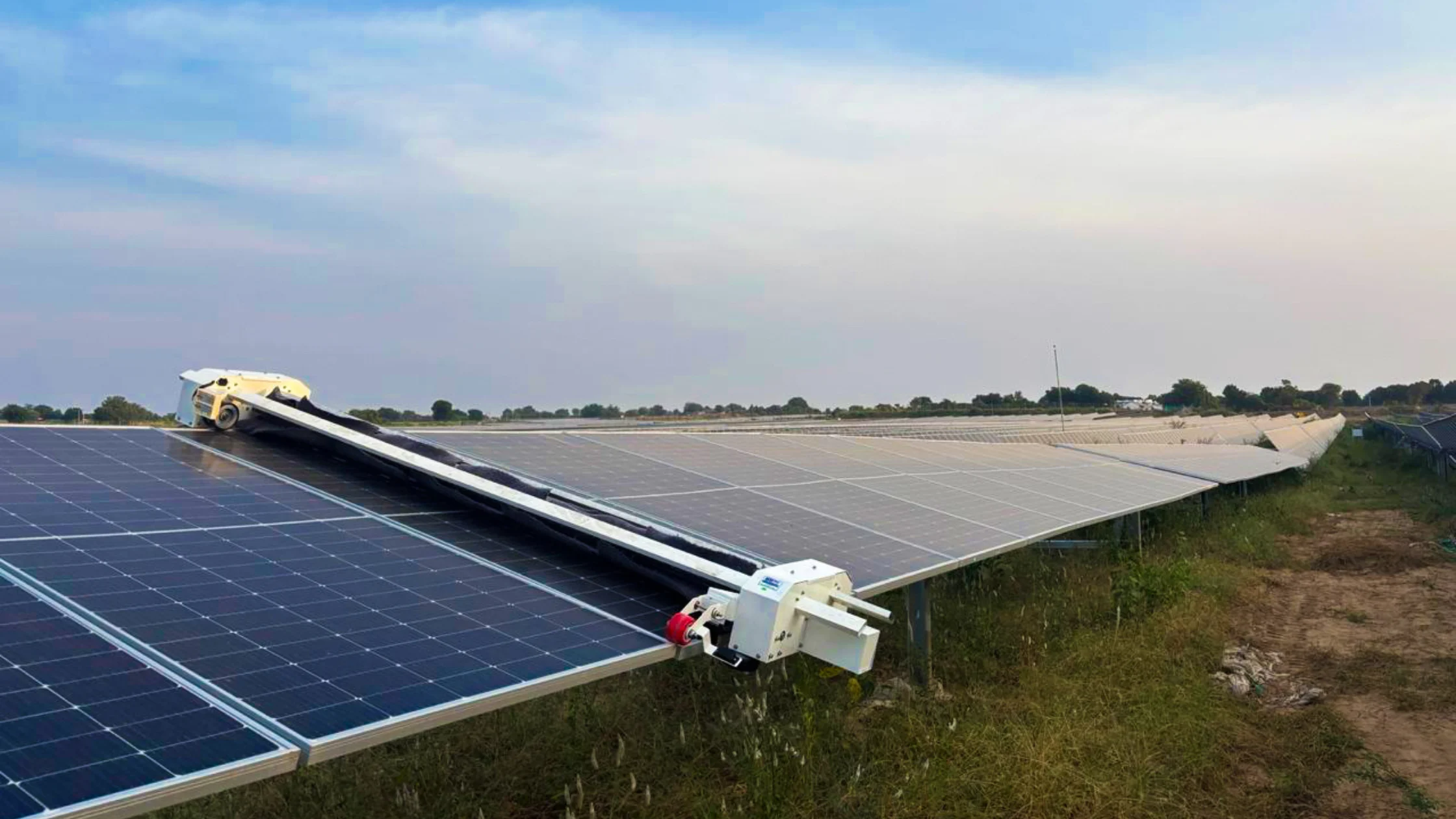
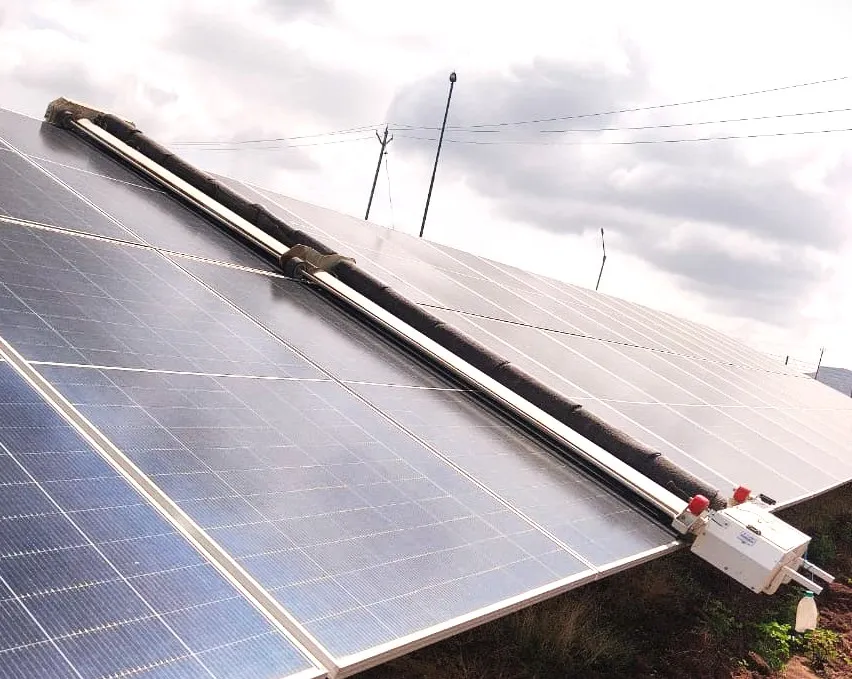
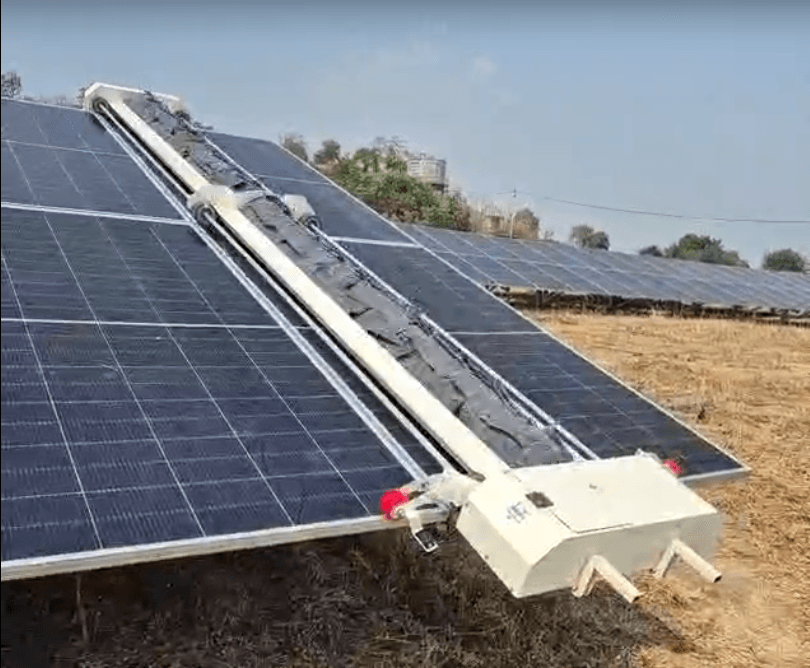
This is a major risk for 50 MW+ plants where cleaning robots rely on constant connectivity to platforms like NECTYR. If software lacks MFA or API segmentation, an attacker could compromise the cleaning fleet. Modern O&M strategy must view these software suites as extensions of physical security. Move beyond simple dashboards to secure, encrypted hubs that enforce access control for every sensor and robot.
CEA Cybersecurity Regulations: What 50MW+ operators must know
The Central Electricity Authority (CEA) has formalized strict cybersecurity requirements under the 2026 Regulations. For plants of 50 MW or larger, these rules turn cybersecurity into a mandatory obligation. You must build a cyber-physical perimeter to guard against unauthorized access to generation control systems and monitoring software.
Key regulatory mandates for operators include:
- Mandatory Audits: Stations above 50 MW must conduct audits performed by Cert-In certified agencies.
- Air-Gapped Segregation: Regulations require isolating operational technology (OT) from public-facing information technology (IT) networks.
- Incident Reporting: Operators must report suspected breaches to the NCIIPC within specific timeframes to ensure grid stability.
- Technical Standardization: Systems must follow Indian Standards on Information Security Management Systems to align with grid guidelines.
Your fleet software must now operate within an architecture that supports secure data and role-based access. Failure to meet these criteria by April 2027 puts your PPA compliance at risk. Strengthening defenses allows for the safe use of advanced fleet telemetry and autonomous cleaning without compromising site integrity.
How to implement a secure monitoring layer for solar fleets?
A secure monitoring layer for large plants requires a layered approach to data integrity. Start by creating a dedicated VPN or secure gateway for all field telemetry. Ensure that the software for robots and sensors does not share bandwidth with office Wi-Fi. This segregation is required to isolate operational technology from corporate IT systems.
Standardized implementation steps include:
- Asset Inventory and Tagging: Map every connected device with unique, authenticated identifiers.
- Access Hardening: Replace all default manufacturer passwords with complex, time-bound credentials managed by a central service.
- Traffic Encryption: Use end-to-end encryption, like TLS 1.3, for all data moving between the plant and the cloud.
- Granular Control Policies: Limit access so technicians only interact with specific device blocks, preventing broad account compromise.
These standards create a defensible architecture for fleet-wide telemetry. For legacy sites, audit firmware versions during your next maintenance cycle to ensure they support modern security. This posture supports your ESG compliance and reporting by protecting the infrastructure against cyber threats.
Standardized steps for software integration and data integrity
Integrating security requires a multi-stage process. The goal is to ensure data integrity between field controllers, such as fleet telemetry, and your central dashboard. Always isolate your OT network from your corporate network before updating.
Follow these steps to secure your software integration:
- Define Network Segmentation: Use a hardware firewall to separate SCADA from the internet. Ensure updates occur through an encrypted tunnel.
- Implement Role-Based Access Control (RBAC): Grant technicians access only to robot diagnostics, not to inverter controls or grid settings.
- Audit Data Transmission Protocols: Verify that all sensor data packets are signed and encrypted using TLS 1.3.
- Deploy Non-Repudiable Logs: Record every command in an immutable log to track user activity during security reviews.
- Automate Firmware Validation: Run cryptographic checks on all updates to prevent the injection of malicious code into your controllers.
Treating monitoring software as part of the electrical stack minimizes operational disruptions. This rigour satisfies regulations and improves the reliability of your ESG compliance data.
Securing connectivity: From IoT sensors to the cloud
The weakest link in cybersecurity is often the connection between IoT devices and your monitoring dashboard. A 50 MW plant has hundreds of sensors and fleet telemetry units. This creates a large attack surface if left unmanaged. Shift from open protocols to encrypted, localized mesh networks that use a single, hardened gateway.
Focus on three defensive layers:
- Isolated Data Backhaul: Use a dedicated Virtual Local Area Network (VLAN) for cleaning fleets and sensors. This separates O&M traffic from public internet access.
- Mutual TLS (mTLS) Authentication: Robots and sensors must verify the cloud server identity before sending data. This prevents rogue devices from spoofing data or hiding revenue-impacting soiling.
- Hardware Security Modules (HSM): Use controllers with secure storage for cryptographic keys. This prevents attackers from extracting credentials if a device is physically compromised.
Treating each sensor as part of the electrical stack supports the design principles required for ESG compliance reporting. This ensures your analytics are based on untampered data, making your automated scheduling reliable.
Cybersecurity compliance checklist for Indian O&M leads
Compliance requires an iterative approach to risk management. As you scale past 50 MW, move from informal oversight to a structured security posture.
- Asset Inventory: Maintain a live registry of every networked device, firmware version, and communication protocol.
- Periodic Vulnerability Scanning: Conduct quarterly penetration tests on your software to identify gaps in firewalls or firmware.
- Incident Response Playbook: Develop a procedure for isolating compromised devices without shutting down the entire plant.
- Regulatory Reporting Logs: Store immutable security logs for two years to satisfy CEA audits or insurance reviews.
- Vendor Security Vetting: Mandate that third-party providers supply proof of secure development, including regular patches.
What plant managers should do next
- Audit your fleet monitoring stack to ensure it supports encrypted MQTT or HTTPS transmission.
- Isolate your robotic cleaning and SCADA networks from public internet gateways immediately.
- Review access controls and implement strict user-level permissions to prevent unauthorized configuration changes.
- Coordinate with your IT security lead to define a secure firmware update path for all remote devices.
Sources and further reading
Frequently asked questions
Cybersecurity in solar fleet monitoring software is a critical operational mandate for O&M teams. As plants add more IoT sensors, robots, and cloud tools, the risk of unauthorized network access grows.
These regulations are mandatory for all generating stations and captive solar plants with a capacity of 50 MW or more, with most provisions enforceable starting April 1, 2027.
Securing monitoring software prevents unauthorized access and operational disruptions, ensuring that performance ratio metrics remain accurate and that energy yields are not compromised by cybersecurity threats.
Yes, autonomous cleaning robots and other IoT-connected sensors increase the attack surface for SCADA networks, making it essential to protect these integrations within your broader cybersecurity strategy.