Cold Storage and Warehouse Rooftop Solar Cleaning Economics
Managing cleaning economics for warehouse rooftops is a balancing act. You must manage soiling while respecting structural and thermal limits. Plant managers should move from reactive cleaning to a scheduled plan. This plan should account for regional dust profiles in India. Doing this protects the Performance Ratio (PR) of your assets.
Summary for Plant Managers
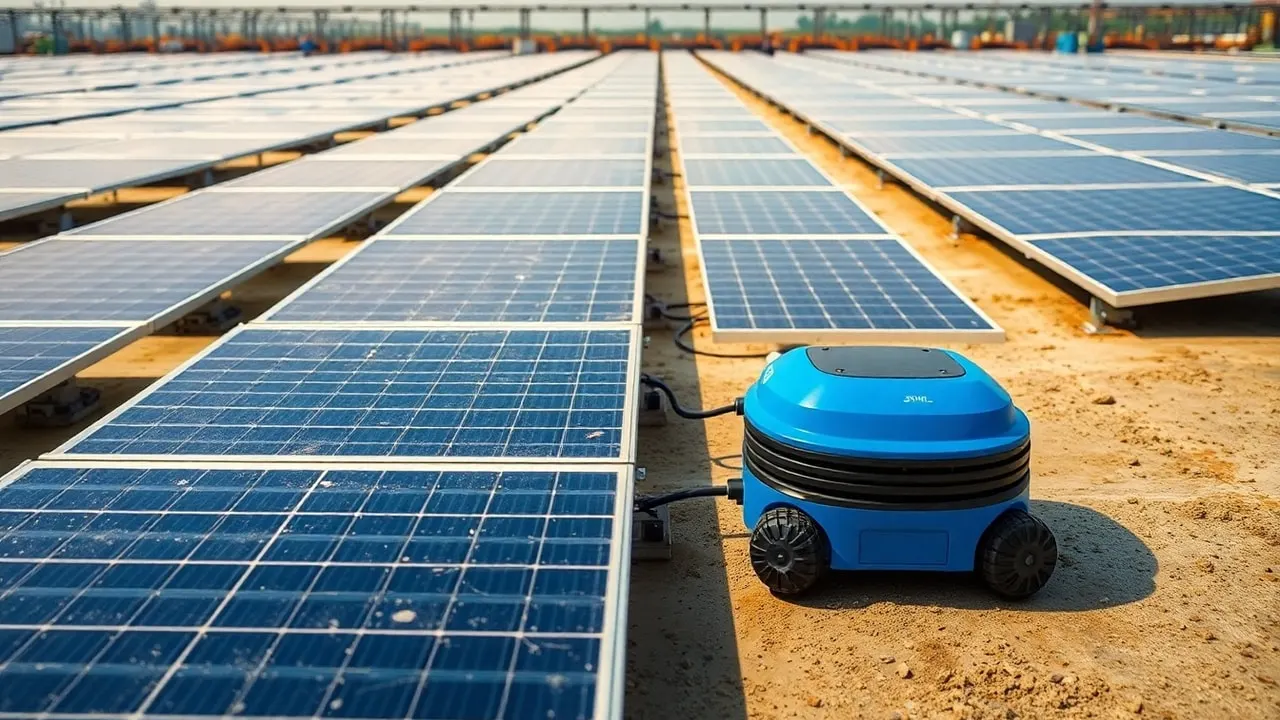
Decision-makers must understand the cost-to-yield ratio for C&I assets. Below are the typical benchmarks for rooftop solar maintenance in India:
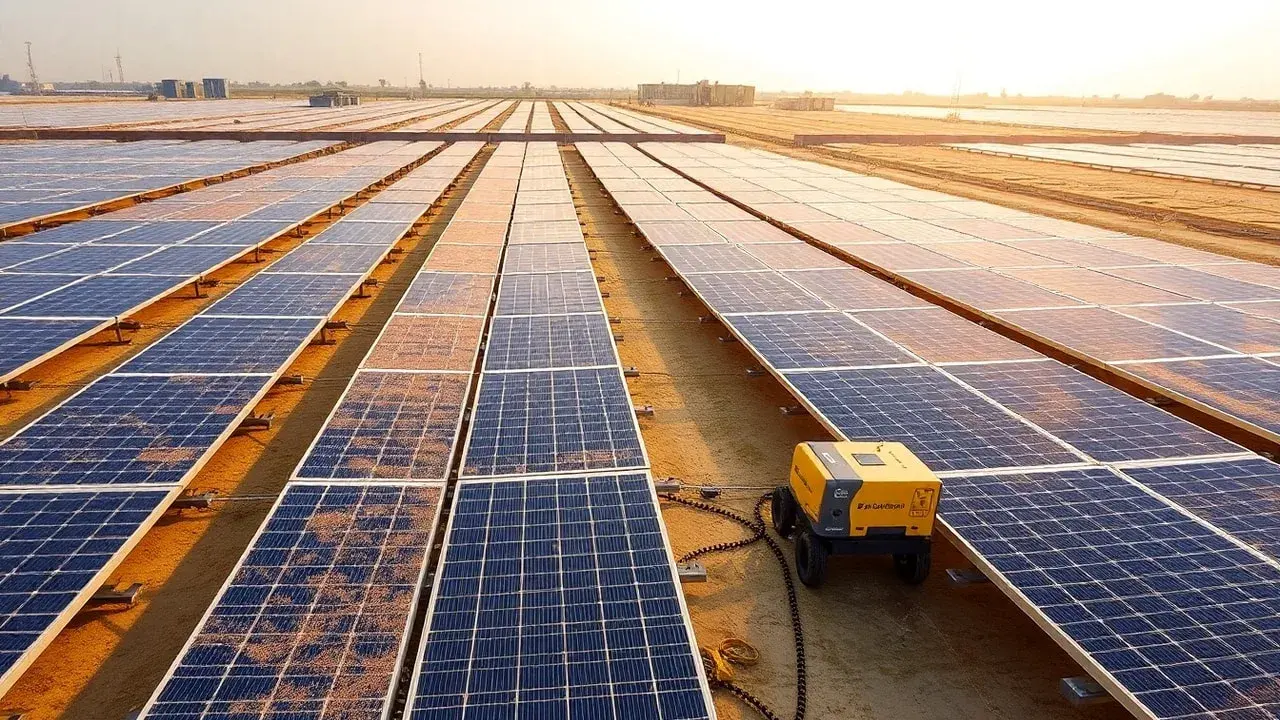
- Typical soiling loss in India: 6% in coastal regions to 15% in arid zones. This depends on local dust density.
- Industry-standard cleaning cost: 500 to 2,000 INR per kW for rooftop C&I installations.
- Recommended cleaning frequency: Every 7 to 21 days for high-dust warehouse zones. This prevents cemented grime.
- Preferred method for water-scarce regions: Autonomous waterless robotic cleaning. This minimizes water use and labor overhead.
Effective maintenance requires smart soiling mitigation strategies. These strategies should align with module warranties and the high thermal needs of cold storage.
Navigating the unique constraints of warehouse and cold storage rooftops
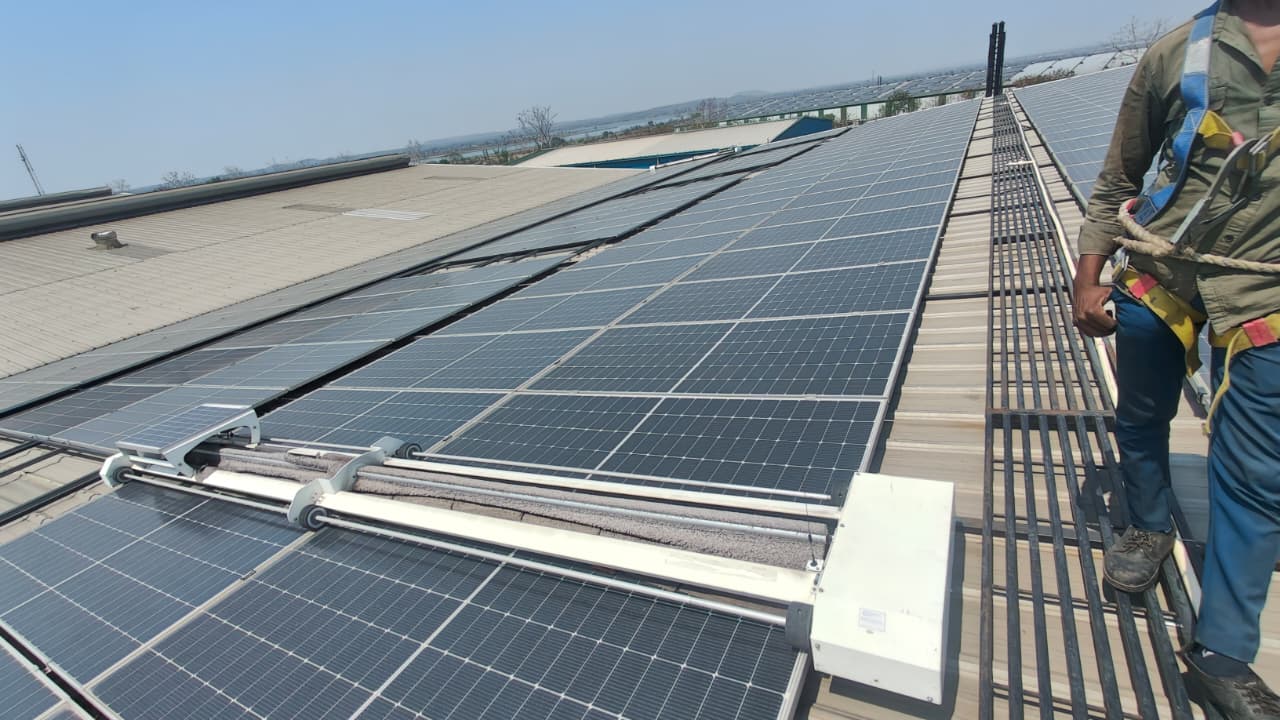
Industrial rooftops present unique operational hurdles. Cold storage facilities are very different from utility-scale ground-mount sites. The main concern is roof structural integrity. Many warehouse designs use lightweight metal sheets. These sheets were not engineered for heavy foot traffic. They also cannot support standard ground-mount cleaning hardware. Asset managers must check load-bearing limits before deploying teams or robots.
Access is another major factor. Warehouse roofs often need specialized safety gear. This includes roof-mounted walkways, lifelines, or certified anchor points. These tools help you comply with Indian industrial safety regulations. Cold storage warehouses also have specific ventilation systems or cooling towers. These can increase local dust buildup on panels.
When calculating your cold storage warehouse rooftop cleaning economics, watch these exhaust points. Heavy industrial environments can create a thick film on solar modules. This film can cause permanent glass etching or lower energy yields. Automated systems can reduce these risks. They eliminate the danger of manual crews working on fragile roof surfaces. For safety tips, see our guide on rooftop and canopy PV cleaning access and best practices.
The 'Cold Storage' factor: Managing thermal stress during cleaning
Cold storage facilities create unique microclimates on the rooftop. These warehouses often keep internal temperatures near freezing. This creates a large temperature gap between the roof and the ambient air. Thermal conductivity can cool the modules locally. This influences the condensation cycle and how dust sticks to the surface. Cold storage roofs are prone to heavy morning dew. This dew mixes with dust to create a cement-like layer. This layer is very hard to remove without machines.
Do not clean arrays during midday heat. Rapid temperature changes can cause micro-cracking. This is especially risky if you use cold water on hot, sun-exposed surfaces. Because of this, waterless cleaning is now the standard for cold storage assets in India. Waterless methods avoid thermal shock and mineral spots. These issues can degrade the panel surface over time. Cold storage plants are also high-energy consumers. You must ensure your solar assets perform at maximum efficiency to offset refrigeration costs. Properly timed, non-thermal cleaning protects the solar cells. This ensures long-term output despite India's harsh seasons.
Comparing cleaning methods for roof-mounted arrays
Choose a cleaning method that balances safety, module life, and cost. Manual cleaning is common for small C&I sites. However, workers often drag hoses and brushes across roofs. This creates high risks for the workers. They face potential fall hazards. Modules also face risks from uneven pressure or weight. This can cause micro-cracks. As site capacities grow toward 10 MW, manual labor becomes too expensive.
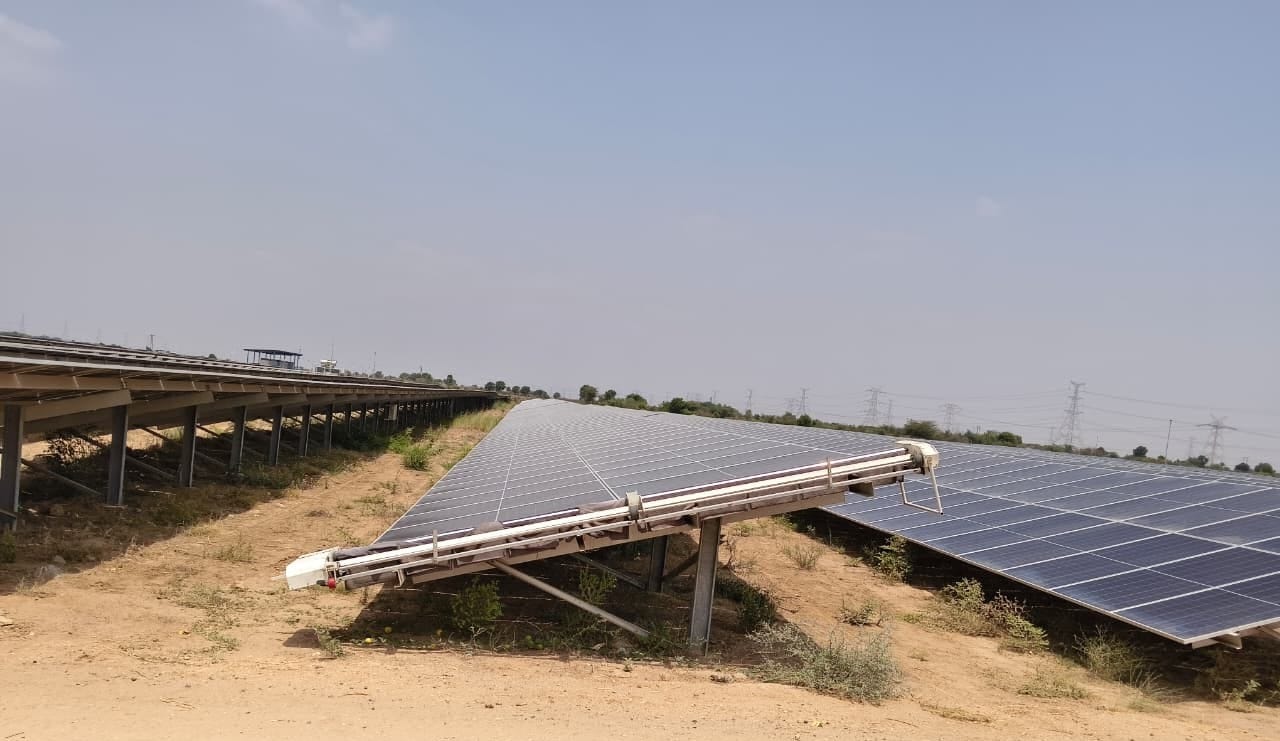
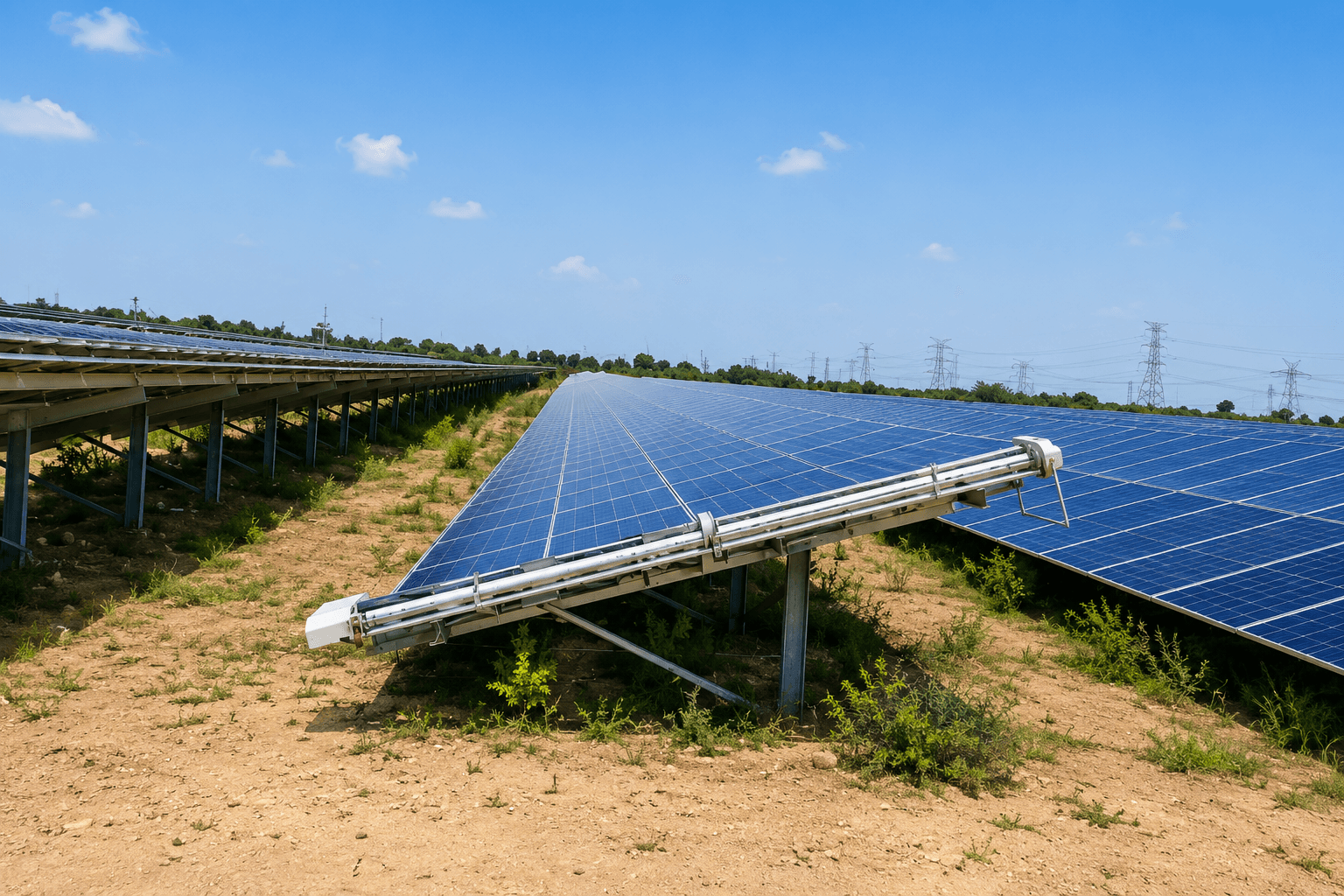
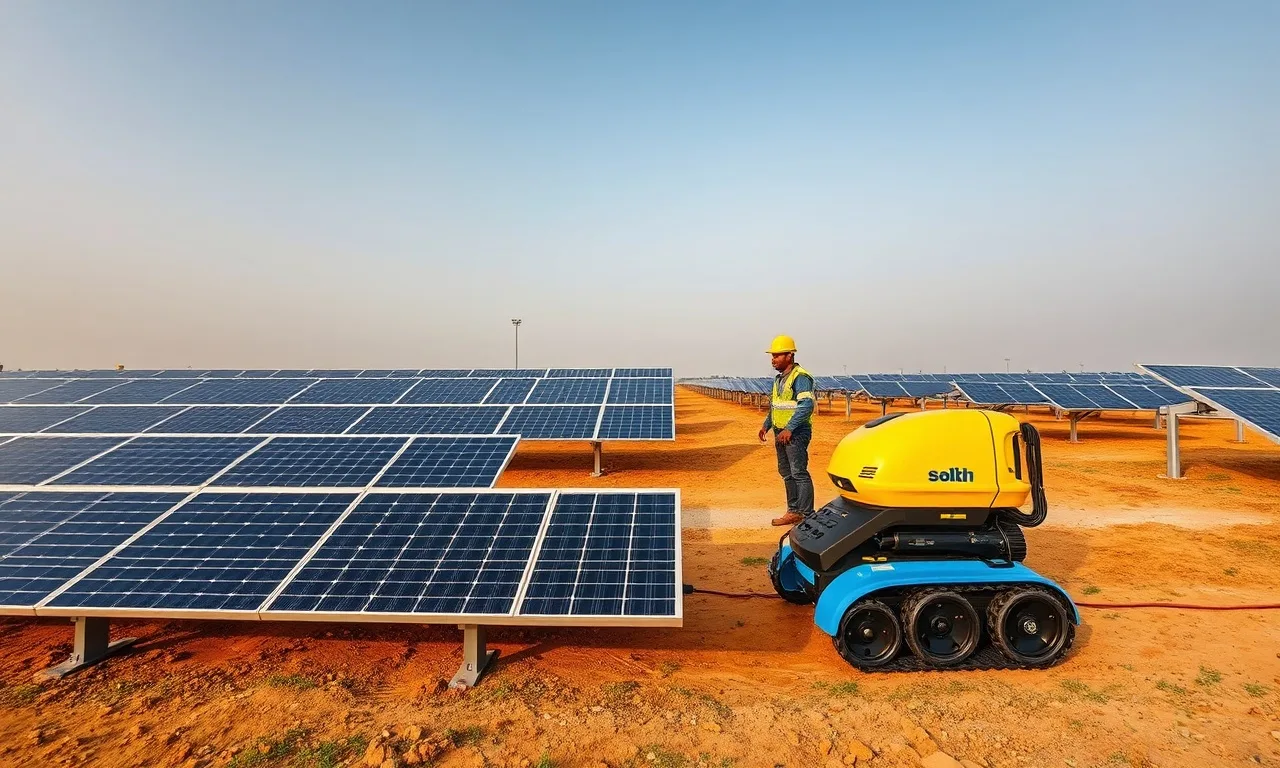
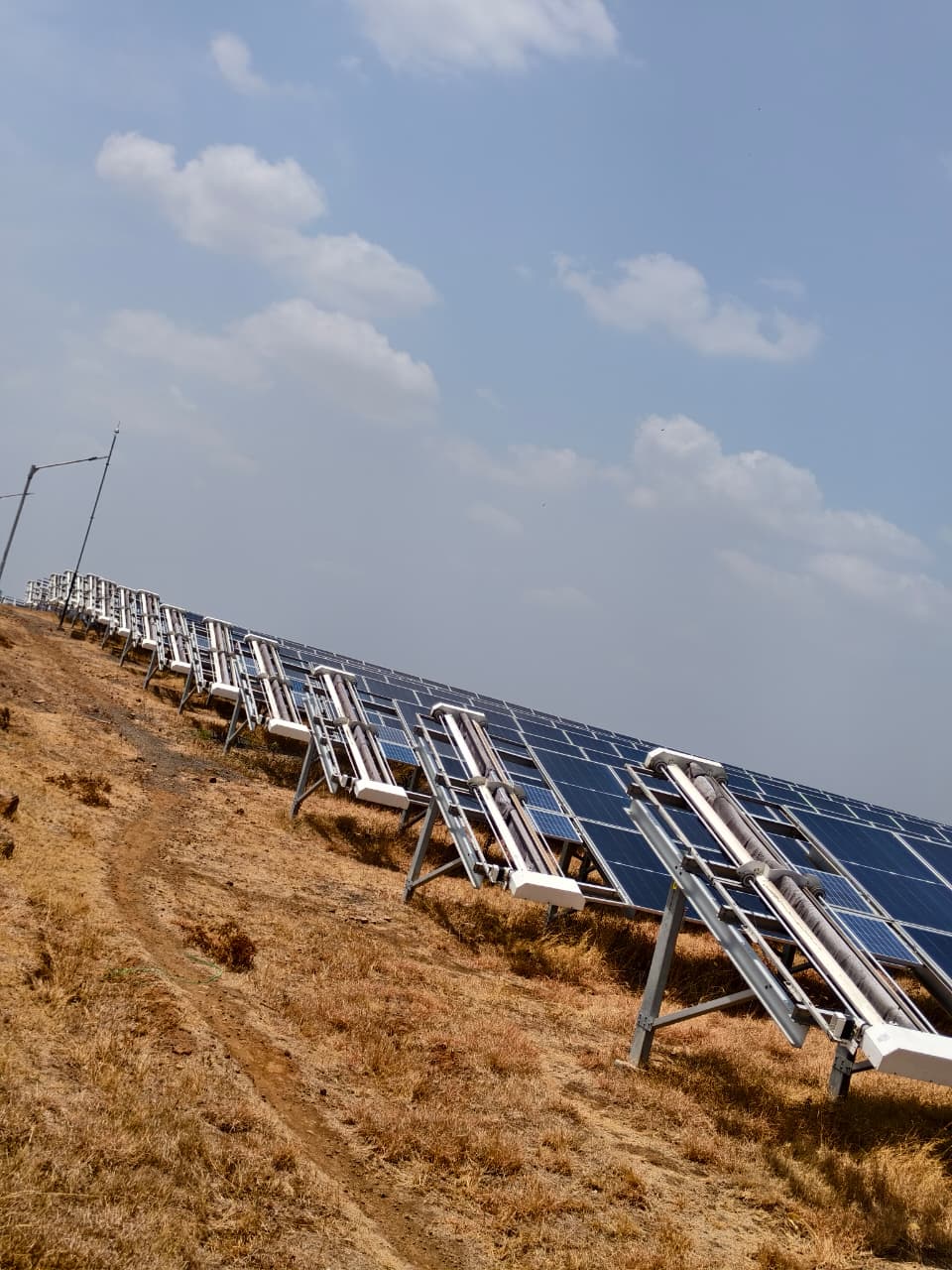
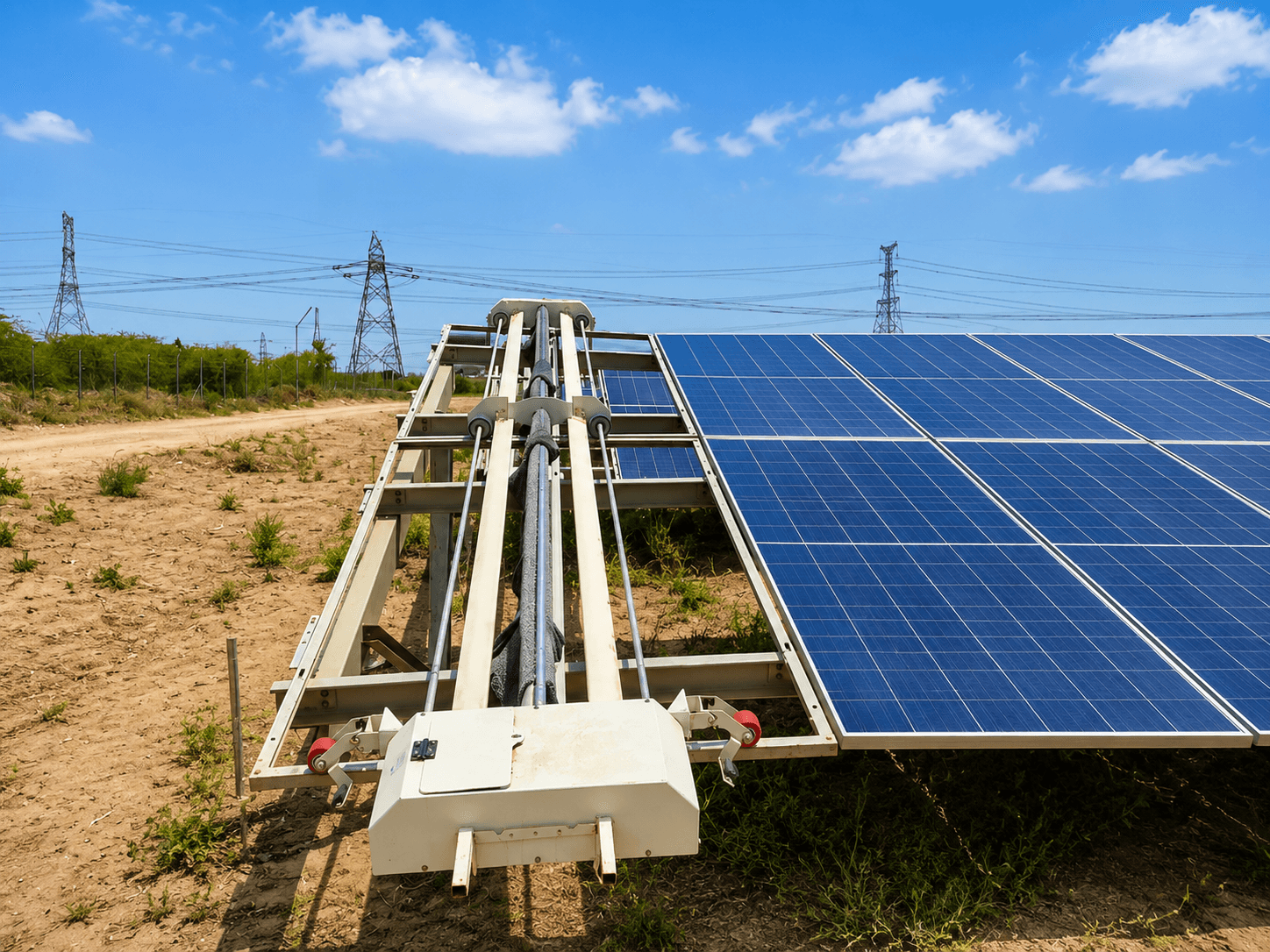
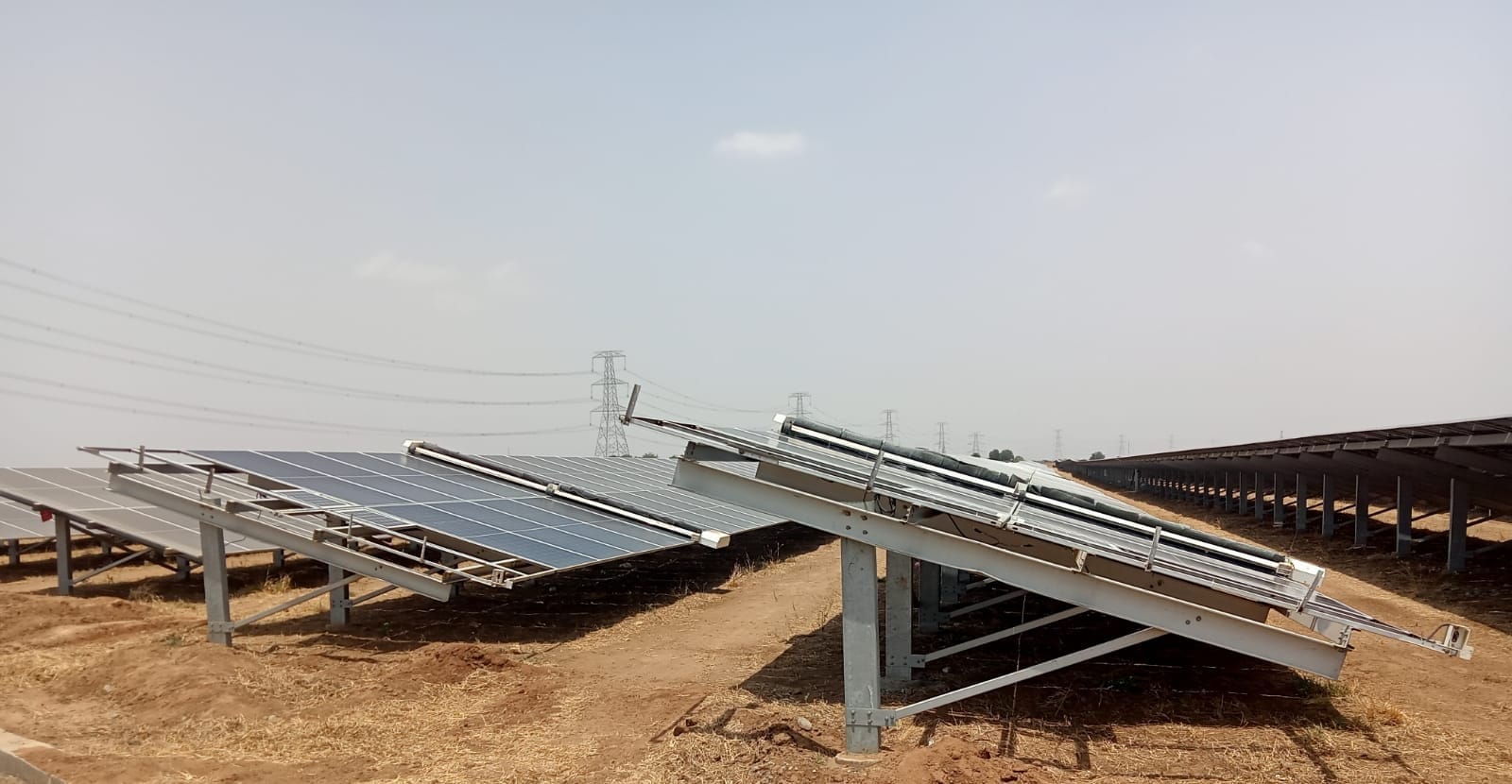
Semi-automated and robotic solutions are safer alternatives. Semi-automated units need manual deployment for each row. These work well for smaller or fragmented rooftop arrays. For large, continuous roof installations, fully autonomous robots offer the best ROI. Robots move along the panel rows with uniform pressure. They also remove the heavy weight of water from the roof structure. Below is a comparison of typical cleaning methods:
| Method | Safety Risk | Water Usage | Scalability | Suitability |
|---|---|---|---|---|
| Manual Brush | High (Fall/Slip) | High (Wet) | Low | Small, uneven sites |
| Semi-Automated | Medium | Low (Waterless) | Medium | Distributed blocks |
| Fully Robotic | Low | Low (Waterless) | High | Large-scale MW plants |
For high-performance sites, waterless robotic systems are the gold standard. Systems like robotic cleaning technology prevent mineral buildup. This is common in industrial clusters with hard water. Robots also protect the module's anti-reflective coating. This prevents the long-term damage often seen with manual brushing. Integrating these systems requires checking your roof access. See our guide on rooftop and canopy cleaning access for more info.
How often should you clean solar panels on a warehouse rooftop in India?
In India, do not use a fixed calendar for cleaning. Instead, use site-specific soiling rates. Plants near industrial or farm zones should clean every 15 to 30 days. This prevents the buildup of stubborn, cemented grime. Without a regular schedule, you risk permanent performance losses.
Use data to trigger your cleaning. If you use automated cleaning technology, you can adjust based on sensors and weather. This protects against high soiling in coastal or arid climates. On large MW-scale roofs, fixed manual schedules often fail. They lead to over-cleaning or under-cleaning. Both issues hurt your project ROI. To find the right rhythm, consider these factors:
- Climatic Zone: Arid regions like Rajasthan need more frequent cleaning (every 10 to 15 days). Humid regions may need less.
- Soiling Type: Industrial dust is often sticky. It requires more attention than loose dust found in open fields.
- Performance Thresholds: Set a clear PR drop limit (like a 2% to 3% deviation). Use this to trigger a cleaning cycle.
Managers of 10 MW+ portfolios should use monitoring systems. A solar panel cleaning service can help with diagnostics. This ensures you only clean when necessary. This saves money while protecting your refrigeration loads.
Scheduling and logistics: Minimizing downtime in storage operations
Downtime is a major challenge for cold storage sites. Cleaning must not interfere with loading and unloading cycles. You must coordinate cleaning with your facility logistics. Schedule maintenance around peak demand periods. This keeps loading docks clear and workers safe.
Identify periods of low facility activity. Use night shifts or off-peak hours for cleaning. For arrays over 5 MW, clean in blocks. This prevents sudden power drops that affect refrigeration. Systems like the automatic solar panel cleaning system can automate this. They can clean during low light or during night hours. This maximizes output without needing constant human help.
Key logistics factors include:
- Operational Zoning: Divide the roof into zones. Avoid high-traffic loading areas during business hours.
- Safety Buffers: Align cleaning with warehouse safety rules. Stay away from heavy machinery or HVAC units.
- Energy-Neutral Timing: Clean when grid tariffs are highest. This ensures your solar power offsets the maximum costs.
- Inter-Block Coordination: Clean the dirtiest blocks first. This recovers your PR before peak solar hours.
Use solar panel cleaning service diagnostics to manage logistics. This helps IPPs and cleaning operations work together. It ensures a steady power supply for temperature-controlled storage across India.
Calculating the economics: Soiling loss versus cleaning OPEX
Economics depend on revenue gains versus cleaning costs. In India, soiling losses range from 6% to 15%. A 10% loss on a 10 MW plant is very costly. Compare your cleaning OPEX to the revenue you protect. Manual cleaning costs 500 to 2,000 INR per kW. However, costs rise if manual work causes downtime or micro-cracks.
Waterless robots allow for data-driven cleaning. You can move from fixed schedules to demand-driven cycles. This lowers your cost-per-clean. It also lets you clean more often. This keeps your PR high. This is vital for cold storage plants. Use an automatic solar panel cleaning system to link cleaning to generation. This protects your asset ROI. Consider your local climate when setting your frequency. Frequent, light cleaning is often cheaper than heavy, manual cleans.
Technical implementation checklist for O&M leads
Managers should focus on structural integrity and uptime. Use this checklist to standardize your site maintenance:
- Baseline Site Assessment: Check roof load limits. Ensure robots can run on your specific roof span.
- Safety and Power Interfacing: Link robots to your energy management system. Source power during low-tariff hours.
- Zonal Scheduling Protocols: Map your roof into zones. Prioritize areas near HVAC vents.
- Equipment Calibration: If using an automatic solar panel cleaning system, run a trial. Ensure it detects obstacles like chillers.
- Waterless Compliance Check: Use waterless methods to avoid moisture in electrical paths.
- Performance Monitoring Integration: Link cleaning to real-time data. Use the NECTYR fleet portal to set alerts. Trigger cleaning when the PR drops below 95%.
What plant managers should do next
- Audit your annual soiling debt: Calculate your MWh losses. Use this to budget for robotic cleaning solutions.
- Evaluate roof-specific hardware: Pick lightweight, obstacle-aware robots. These work best for crowded storage rooftops.
- Transition to an OPEX service model: Use managed O&M agreements. This turns cleaning into a predictable cost.
- Prioritize automated scheduling: Move to data-driven cycles. This reduces foot traffic on fragile roofs and recovers PR.
Sources and further reading
Frequently asked questions
Decision-makers must understand the cost-to-yield ratio for C&I assets. Below are the typical benchmarks for rooftop solar maintenance in India: Typical soiling loss in India: 6% in coastal regions to 15% in arid zones.
To prevent the buildup of cemented grime in high-dust warehouse zones, a cleaning frequency of every 7 to 21 days is recommended.
Yes, autonomous waterless robotic cleaning is the preferred method for water-scarce regions to minimize water consumption and reduce labor overhead.
Plant managers must conduct load-bearing assessments for lightweight metal roofs and utilize specialized safety equipment, such as walkways, lifelines, or certified anchor points, to comply with Indian industrial safety regulations.