Quick answer
For utility-scale solar operators managing 50 MW to 500 MW plants in cyclone-prone zones like coastal Gujarat or Odisha, extreme weather protocols must prioritize hardware protection over short-term production gains. Establishing clear thresholds for tracker positioning and cleaning system suspension is essential to prevent significant infrastructure loss during high-wind events.
- Implement automated stow positioning for trackers at 0-degree or manufacturer-specified 'park' angles when wind speeds exceed 40 km/h.
- Cease all robotic cleaning operations 24-48 hours before an expected cyclone landfall to prevent equipment displacement.
- Verify integrity of robot docking stations and base plates against surge water levels in coastal regions.
- Target a post-storm cleaning cycle to remove salt-spray or heavy particulate matter, which can cause up to 30% performance loss if left uncleaned.
As noted in our analysis of soiling revenue loss, failing to integrate weather-responsive cleaning schedules means risking not just physical damage, but also cumulative revenue drift. Effective O&M for utility-scale fleets requires bridging the gap between SCADA-based weather alerts and field-level robotic deployment.
Establishing cyclone and extreme weather protocols for tracker cleaning systems
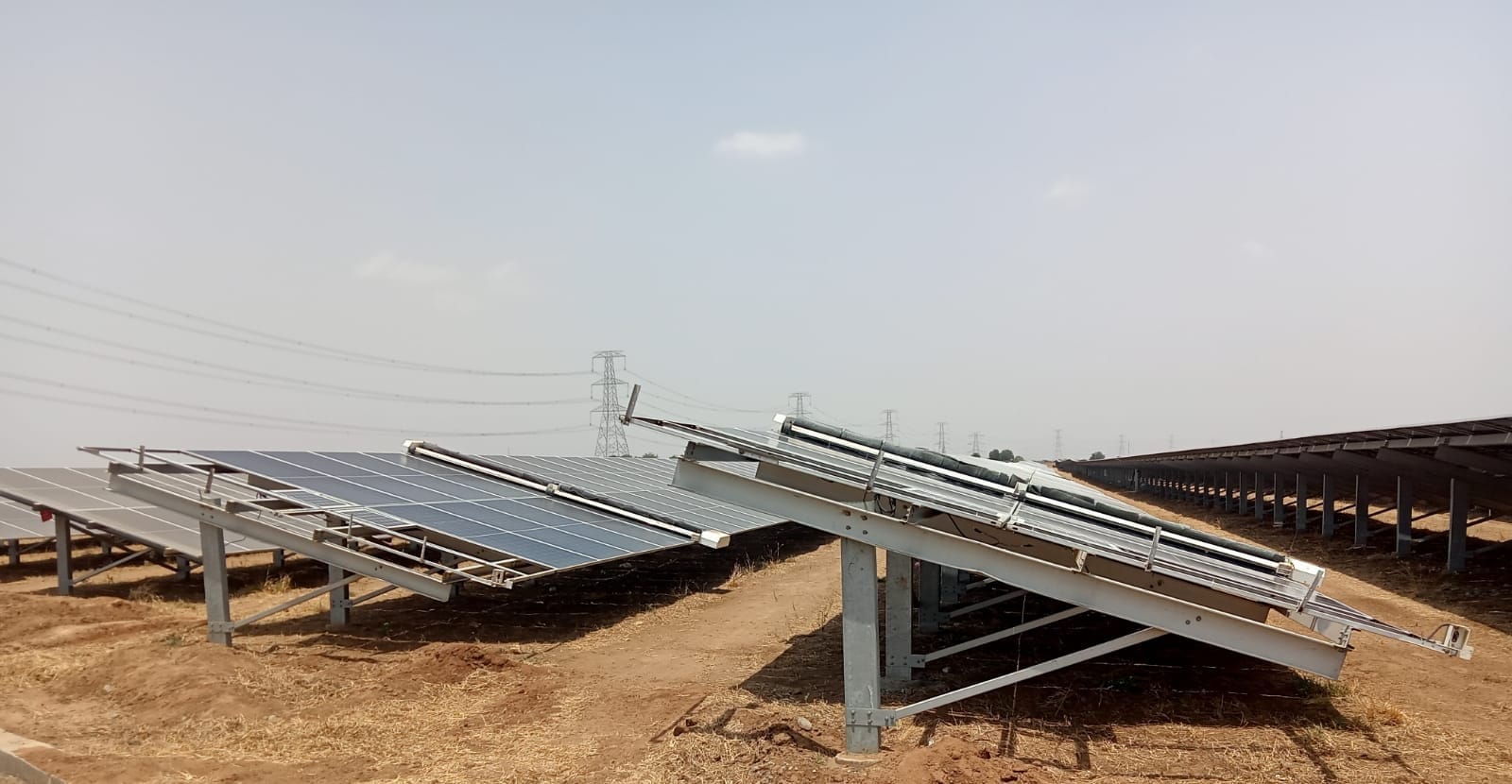
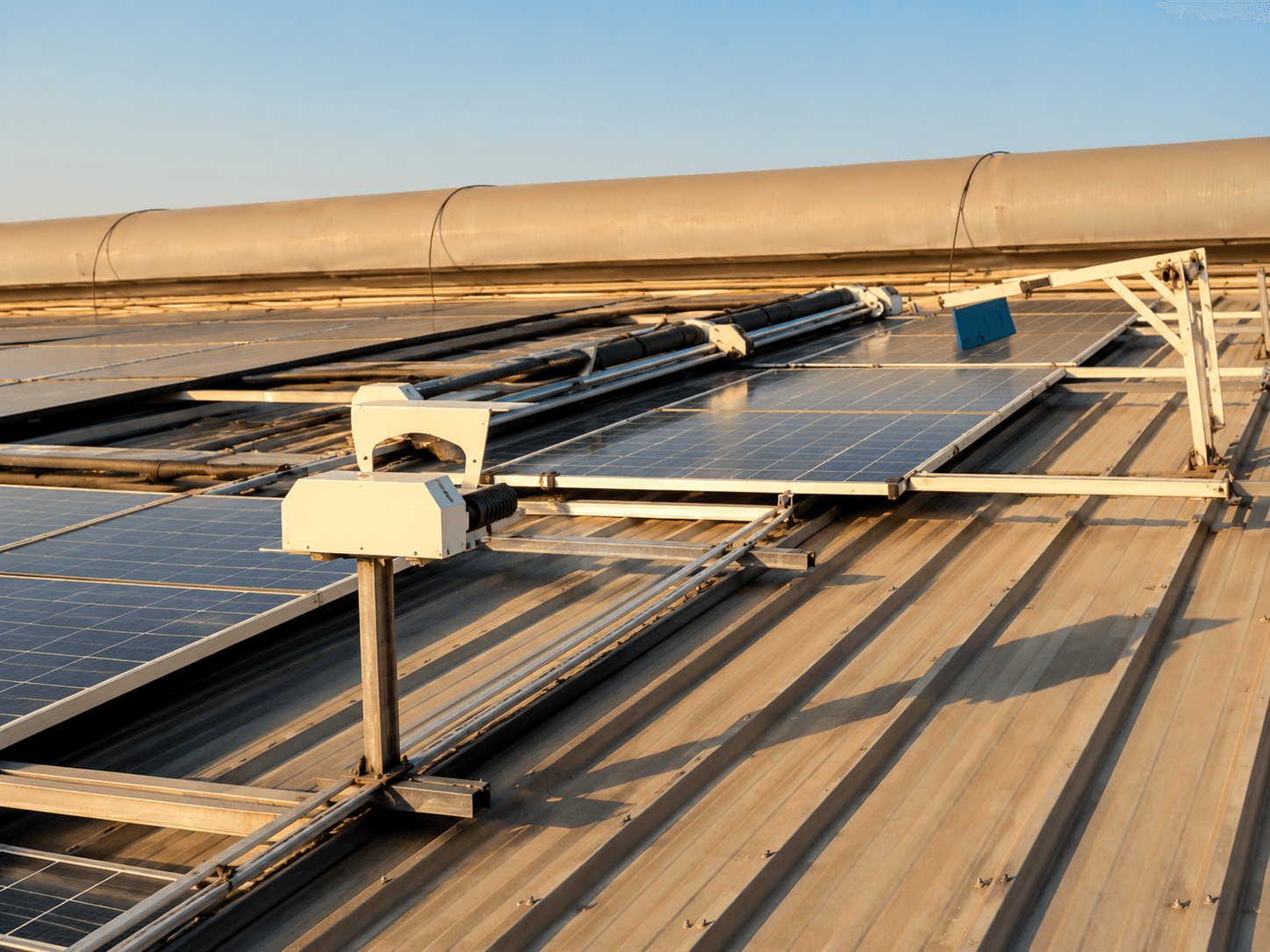
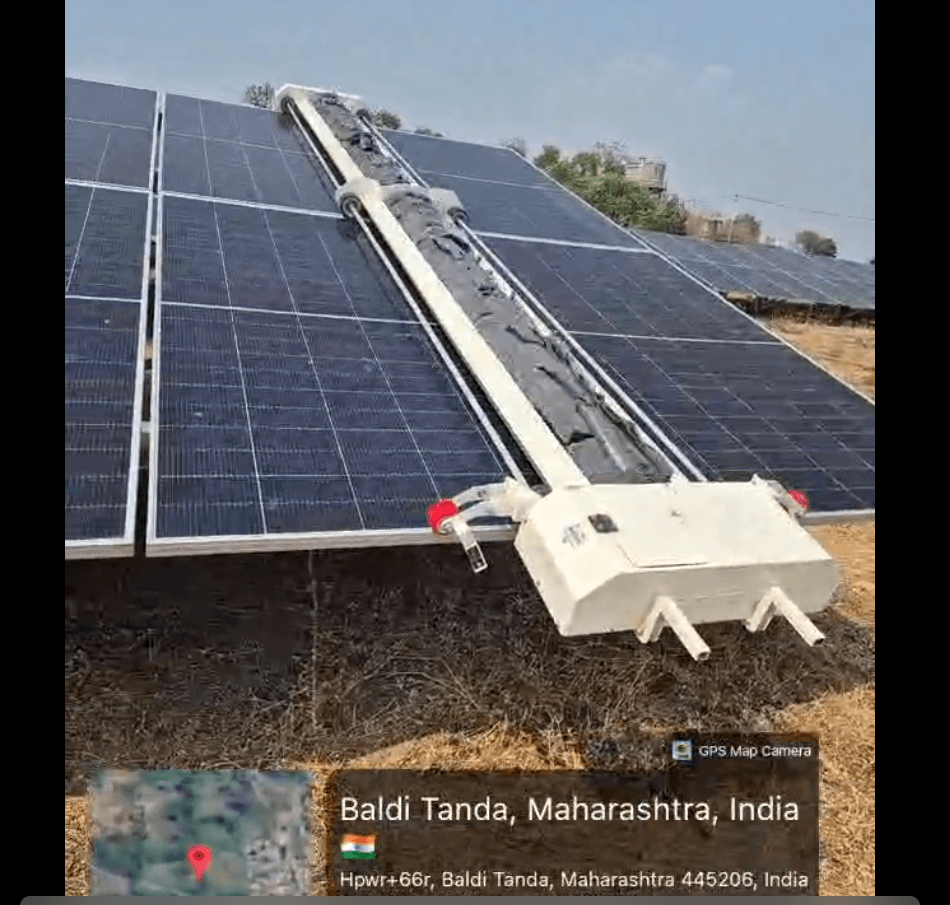
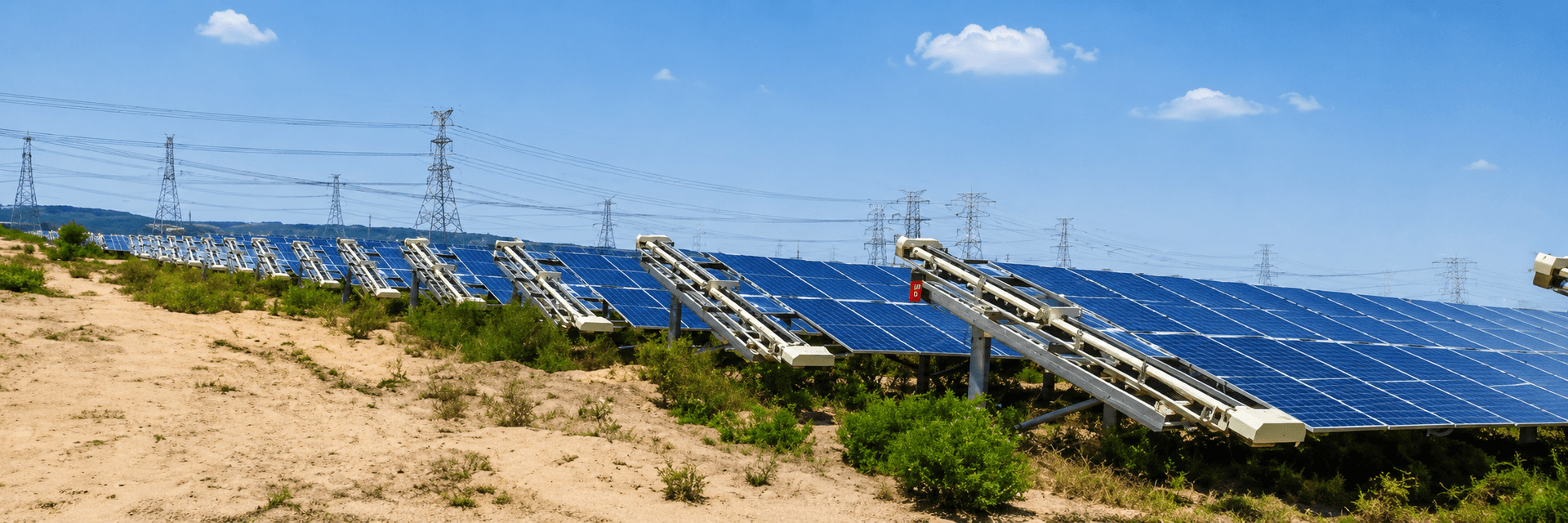
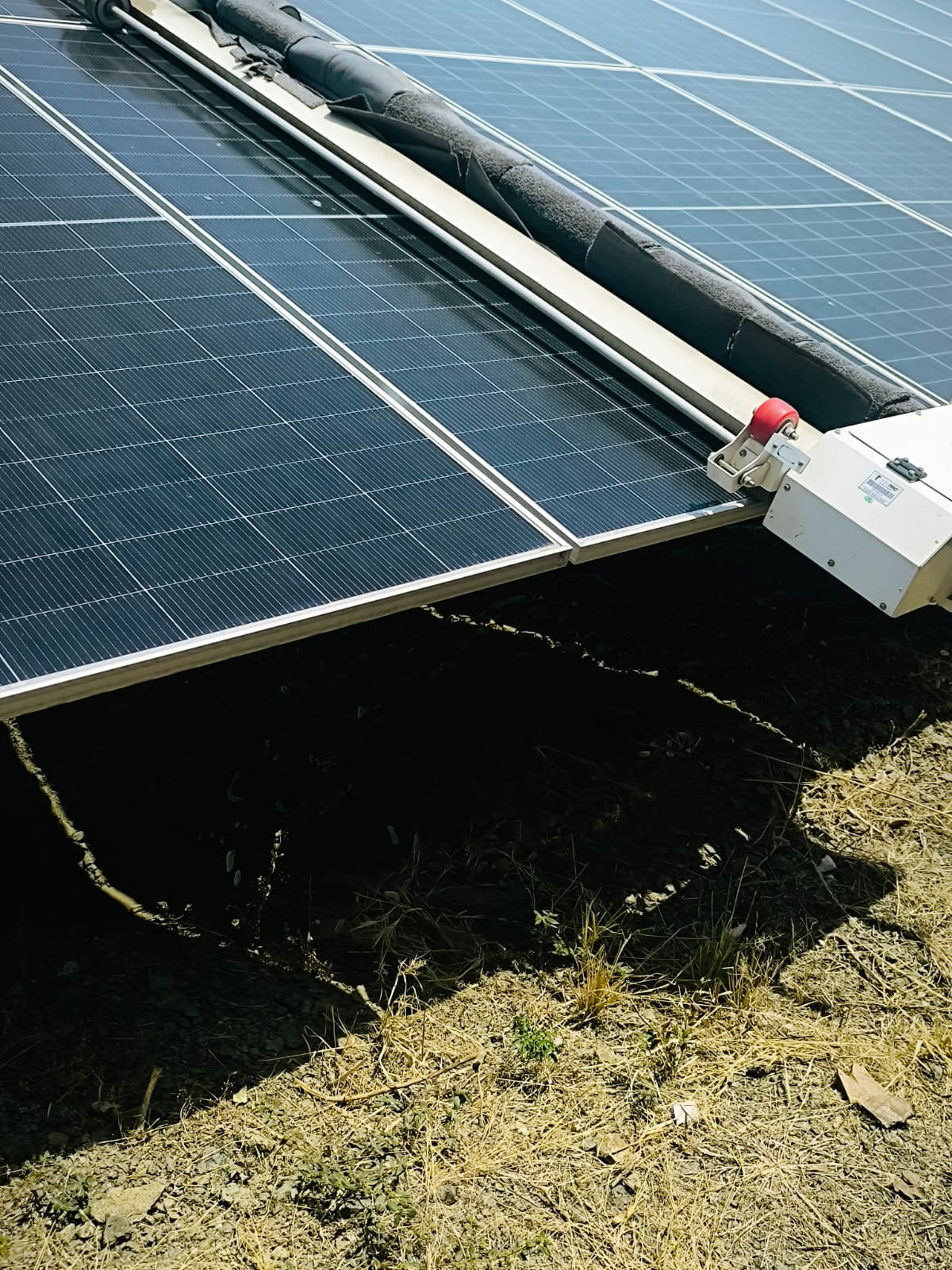
Cyclone and extreme weather protocols for tracker cleaning systems form a critical layer of your disaster recovery plan. When winds exceed 50–60 km/h, the structural stress on tracker tables is immense. If your cleaning robots are currently docked, they must be locked into secure, reinforced charging stations to prevent them from becoming projectiles.
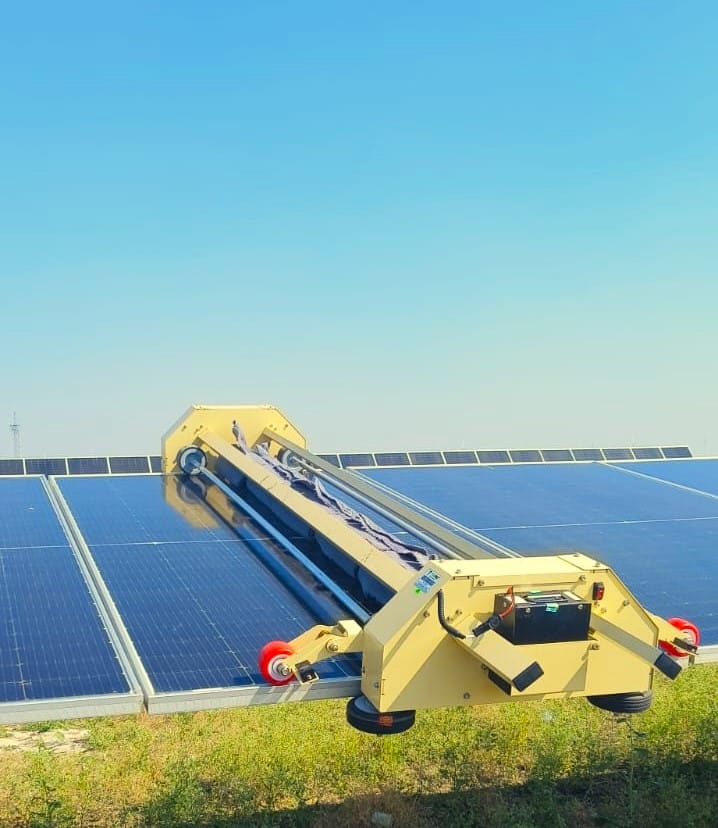
For plants using advanced fleet management like NECTYR, the primary protocol involves a remote 'hard-park' signal. This command disables all movement and ensures that units remain latched to the row ends. Unlike manual brush teams, which require evacuation of personnel, automated systems allow you to trigger these safety measures seconds before a weather window closes. Proactive management reduces the risk of long-term downtime, protecting the ROI of your cleaning technology investment during the volatile monsoon season.
Comparative analysis of storm-readiness features
When selecting robotic cleaning hardware, operators must evaluate the structural tolerance of the docking mechanism. Not all systems are engineered to survive sustained cyclonic conditions. The following table highlights the critical differences between standard cleaning stations and storm-hardened variants.
| Feature | Standard Docking System | Storm-Hardened Docking System |
|---|---|---|
| Wind Load Rating | Up to 100 km/h | Up to 180+ km/h |
| Locking Mechanism | Gravity-based or friction | Mechanical latch/bolt-down |
| Corrosion Resistance | Standard powder coating | C5-M Marine grade sealant |
| Surge Protection | Standard PCB shielding | Waterproof IP68 enclosures |
| Recovery Time | Manual reset required | Automatic remote re-calibration |
Data-driven decision making during weather emergencies
The transition from a business-as-usual state to a disaster-mitigation mode must be governed by pre-set data triggers rather than human intuition. By leveraging an integrated SCADA environment, plant managers can automate the decision-making process. The primary threshold for suspending cleaning operations is defined by the wind speed at which trackers reach their stowing angle. If the wind speed reaches 40 km/h, the system must trigger an automatic hold on all maintenance tasks.
Tiered response strategy
Operators should utilize a tiered alert system to manage resources effectively. A Level 1 alert occurs when weather reports indicate a depression forming within 500 kilometers of the site. At this stage, all robotic fleets should perform a battery health check to ensure they can hold a charge during potential extended downtime. A Level 2 alert is triggered when a cyclone warning is issued for the specific coastal district. During this phase, all robots are commanded to move to the hard-park position, and battery discharge protocols are activated to minimize fire risks if infrastructure is compromised.
Mitigating mechanical wear during high-wind oscillations
Cyclonic winds cause high-frequency vibrations in solar tracker structures, often referred to as aeroelastic instability. These vibrations can cause subtle misalignment in robot rails, which complicates post-storm recovery. To minimize these impacts, the robotic system must be decoupled from the tracker structure if high-wind warnings are persistent. If robots are left on the tracker rows during moderate wind events, the increased weight at the edge of the module table can change the resonance frequency, potentially increasing the risk of mechanical failure.
By ensuring that cleaning robots are stored in base-level, ground-anchored garages during peak storm seasons, O&M teams prevent the robots from acting as dead weight on the trackers. This configuration protects both the tracking drive motors and the robot's own internal gears from unnecessary fatigue. Effective asset management requires a shift toward treating the cleaning fleet as a mobile asset that requires strategic parking during extreme weather events, rather than a static fixture of the array.
How should O&M teams manage robot stowing during high-wind events?
In regions vulnerable to cyclonic winds, such as the coastal corridors of Gujarat and Odisha, robot stowing protocol is not optional. O&M teams must configure their fleet software to trigger a coordinated stow sequence when local anemometer readings cross the 40 km/h threshold. For single-axis tracker sites, the robot should be programmed to return to the home docking station, rather than parking on the row end, to prevent displacement during wind-load oscillations.
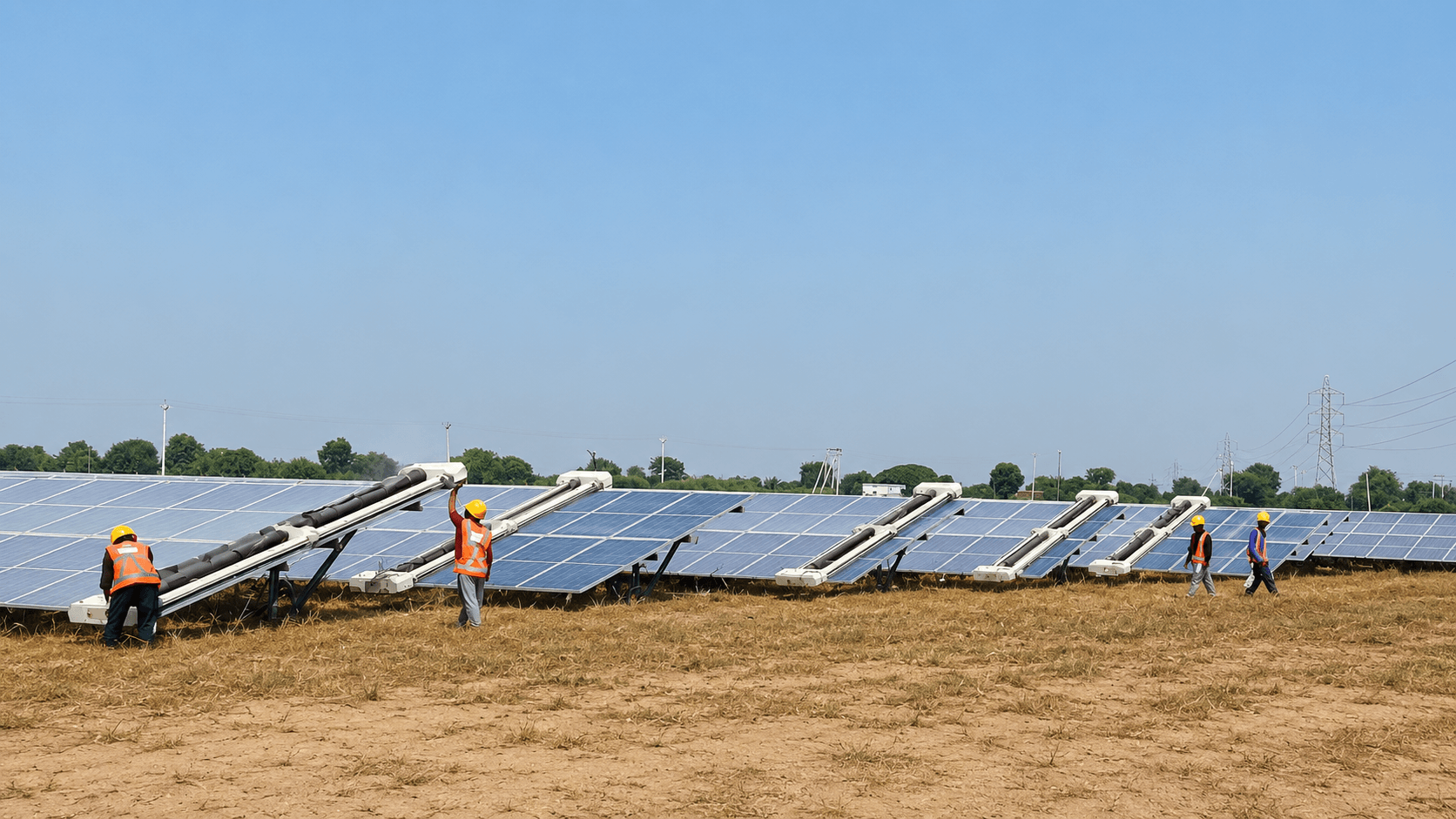
If a storm warning is issued 24 hours in advance, all robots on tracker arrays must be securely latched to their primary dock. On sites using row-transfer systems like CRADYL, these platforms offer superior wind resistance, remaining stable in gusts up to 180 km/h. By centralizing the fleet in these hardened docking points, managers reduce the risk of structural failure and ensure the robots are ready for immediate deployment once weather conditions stabilize.
Protecting cleaning infrastructure from extreme heat and dust surges
Extreme heat is often the silent partner to dust storms in arid Indian solar regions. When temperatures consistently exceed 45°C, rubber components, brush fibers, and electronic housings face accelerated degradation. O&M teams should implement a cooling-period protocol, where autonomous cleaning cycles are restricted to the early morning hours or late evenings when module temperatures are below 60°C. This avoids thermal shock and extends the operational life of your cleaning technology assets.
Dust surges following extreme heat events create massive performance drops. A single dust event can reduce your Performance Ratio (PR) by 5% to 15% in less than 48 hours. Managing this requires a shift from fixed-calendar maintenance to sensor-based triggers. When soiling revenue losses show an upward spike, your automated schedule should prioritize high-soiling blocks immediately post-event. This proactive stance prevents caked-on dust from requiring high-pressure or water-intensive methods later, maintaining the longevity of anti-reflective coatings.
Regulatory and grid safety considerations for Indian solar plants
Cyclone safety is deeply tied to the Central Electricity Authority (CEA) guidelines regarding grid stability. During severe weather, regional grid controllers often mandate plant curtailment. Your cleaning robot fleet must be fully integrated into the site SCADA system, ensuring that autonomous robots do not create communication or power demand anomalies during periods of grid instability. All robot deployments must maintain compliance with site-specific safety zones defined in the project commissioning document.
Post-cyclone inspection and re-calibration checklist
Post-cyclone recovery focuses on infrastructure health and cleaning system calibration. Follow this technical checklist to ensure your plant returns to peak production:
- Physical Inspection: Check all end-row docks for misalignment. Even minor movement can lead to docking failure during the next autonomous cycle.
- Tracker Calibration: Verify tracker angle encoders against site master data. Extreme wind can cause microscopic slippage in tracking alignment.
- Sensor Integrity: Inspect solar irradiance sensors and soiling measurement units. Dust-clogged sensors will provide false performance data, leading to suboptimal cleaning scheduling.
- Robot Diagnostic Scan: Run a full NECTYR fleet health check to ensure no internal damage occurred during the stow process.
- Communication Link Reset: Re-establish RF mesh connectivity if site topography changed due to wind or debris, as described in our guide on fleet communication architectures.
What plant managers should do next
- Audit your current SCADA integration to confirm that weather-based stow commands are automated and verified via real-time telemetry.
- Review manufacturer warranties to ensure that autonomous robots are specified for the wind load ratings of your particular coastal or high-wind site location.
- Shift from fixed-calendar cleaning to sensor-driven maintenance that accounts for post-cyclone dust loading, protecting your PR from unnecessary volatility.
- Schedule a post-storm site survey to calibrate tracker encoders and robot docking rails, ensuring the system remains aligned for reliable performance throughout the monsoon season.
Sources and further reading
Frequently asked questions
For utility-scale solar operators managing 50 MW to 500 MW plants in cyclone-prone zones like coastal Gujarat or Odisha, extreme weather protocols must prioritize hardware protection over short-term production gains. Establishing clear thresholds for tracker positioning and cleaning system suspension is essential to prevent significant infrastructure loss during high-wind events.
While pausing operations during a storm is necessary to protect infrastructure, failing to perform a subsequent cleaning cycle can lead to significant production losses. Salt-spray and heavy particulate matter accumulated after a storm can cause up to 30 percent performance loss if the modules are left uncleaned for an extended period.
Yes, in regions like Gujarat and Odisha, docking stations must be reinforced to withstand high-wind events and potential surge water levels. This includes ensuring that base plates are secure and that robots remain locked into their charging stations to prevent them from being displaced by severe gusts.
Manual removal is generally unnecessary if your system supports remote hard-park signals. Advanced fleet management allows operators to trigger safety measures that lock robots into secure, reinforced docking stations. This protects the equipment from becoming projectiles during high-wind events and eliminates the need for manual intervention.