
Trackers buy energy through better alignment; they also buy mechanical O&M that fixed-tilt tables avoid. On Indian MW sites, a single stuck row during afternoon peak can shadow megawatts of neighbors while dust still costs PR on the rest of the plant. Cleaning teams that ignore tracker mechanics, and mechanical teams that ignore soiling, both leave MWh on the table.
This guide covers single-axis tracker maintenance and how cleaning fits into the same calendar: stow rules, gearbox care, robot path validation, and the PR diagnostics that tell you whether loss is shadow or dust.
Quick answer
- Pair mechanical tracker PM with cleaning route validation each season.
- Log stow and wind aborts alongside robot or crew schedules.
- Fix stuck rows and tracking errors before blaming soiling for PR drops.
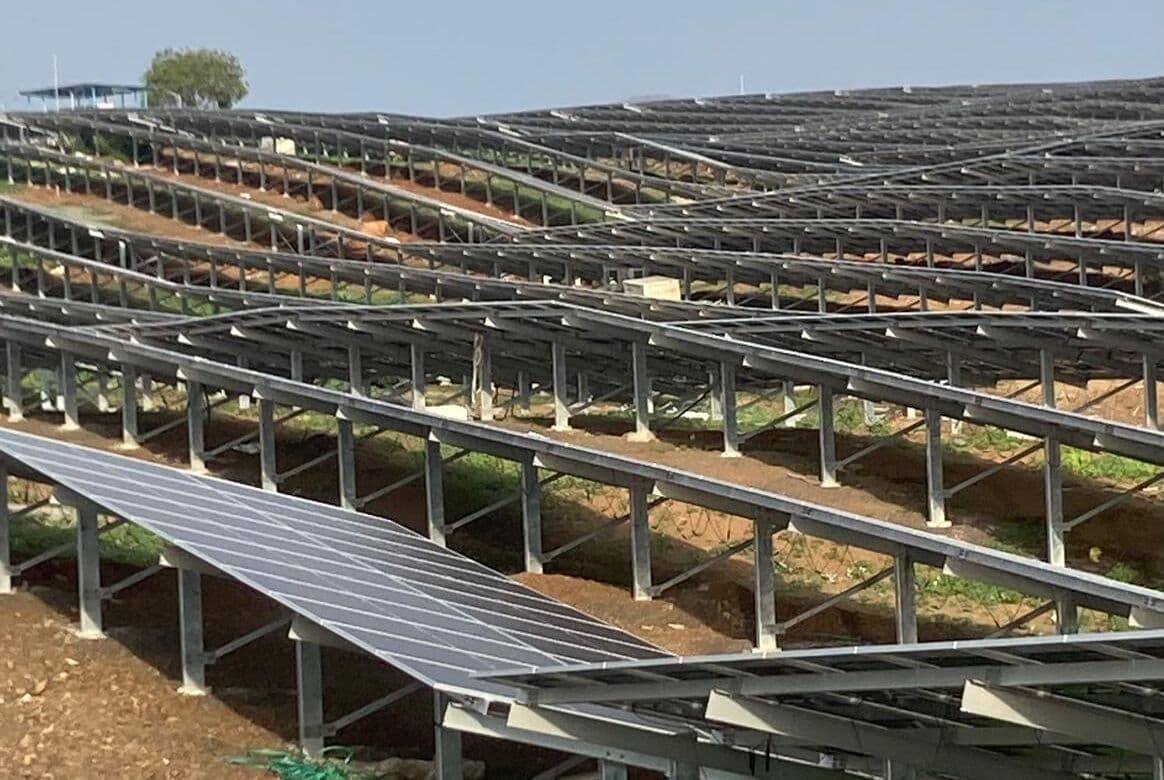
- Survey robot paths pre-monsoon; vegetation and cable trays shift.
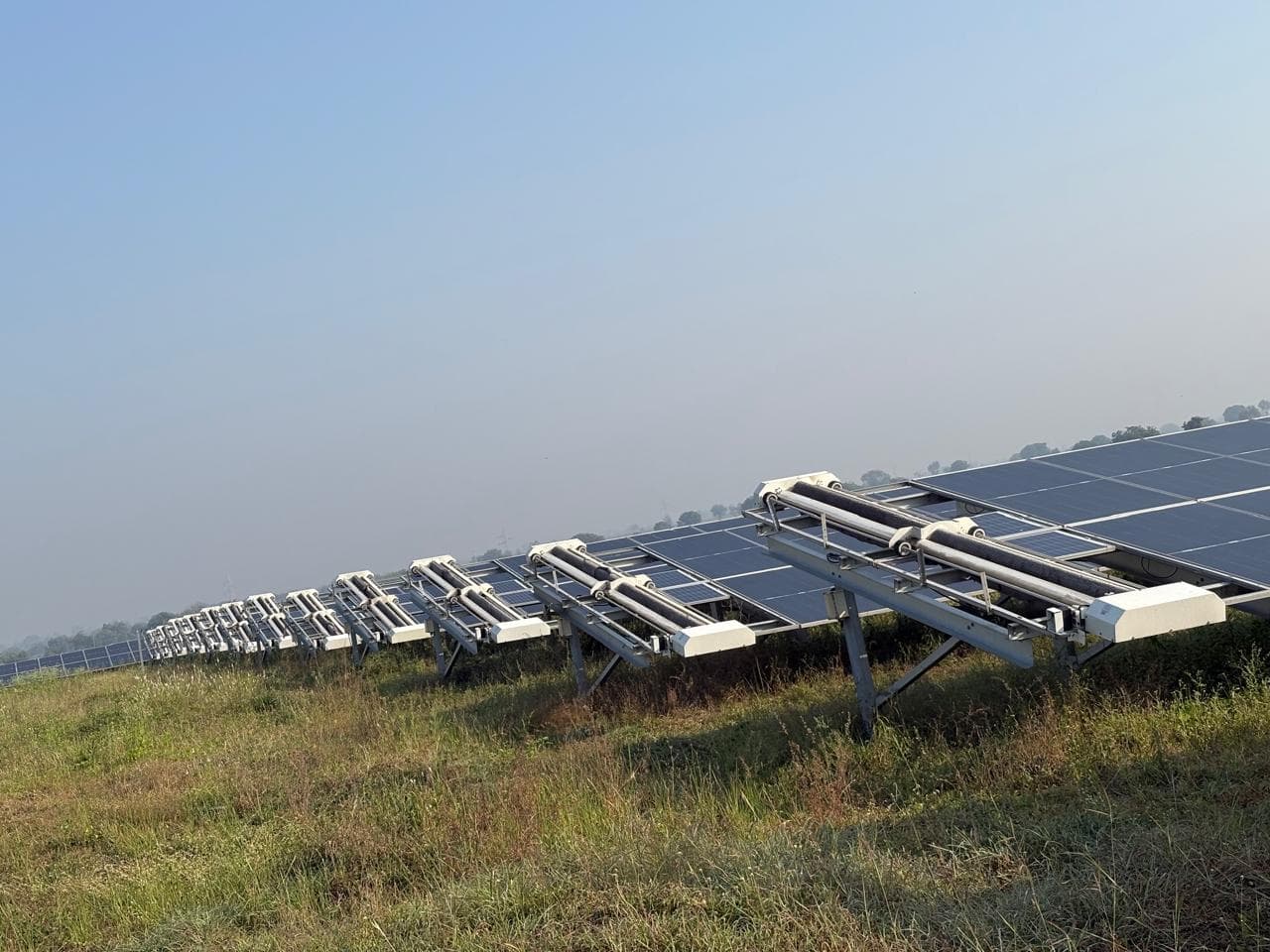
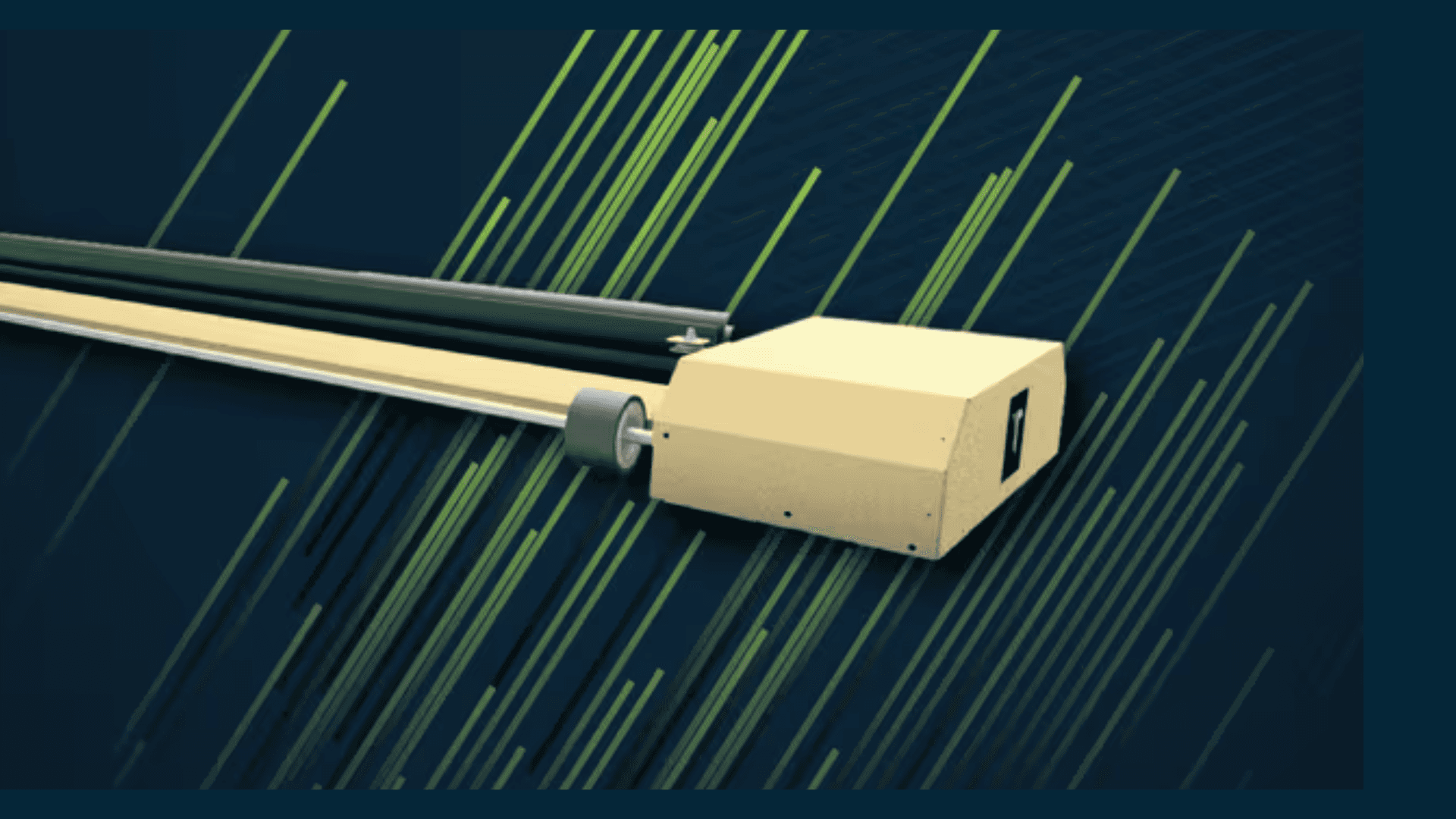
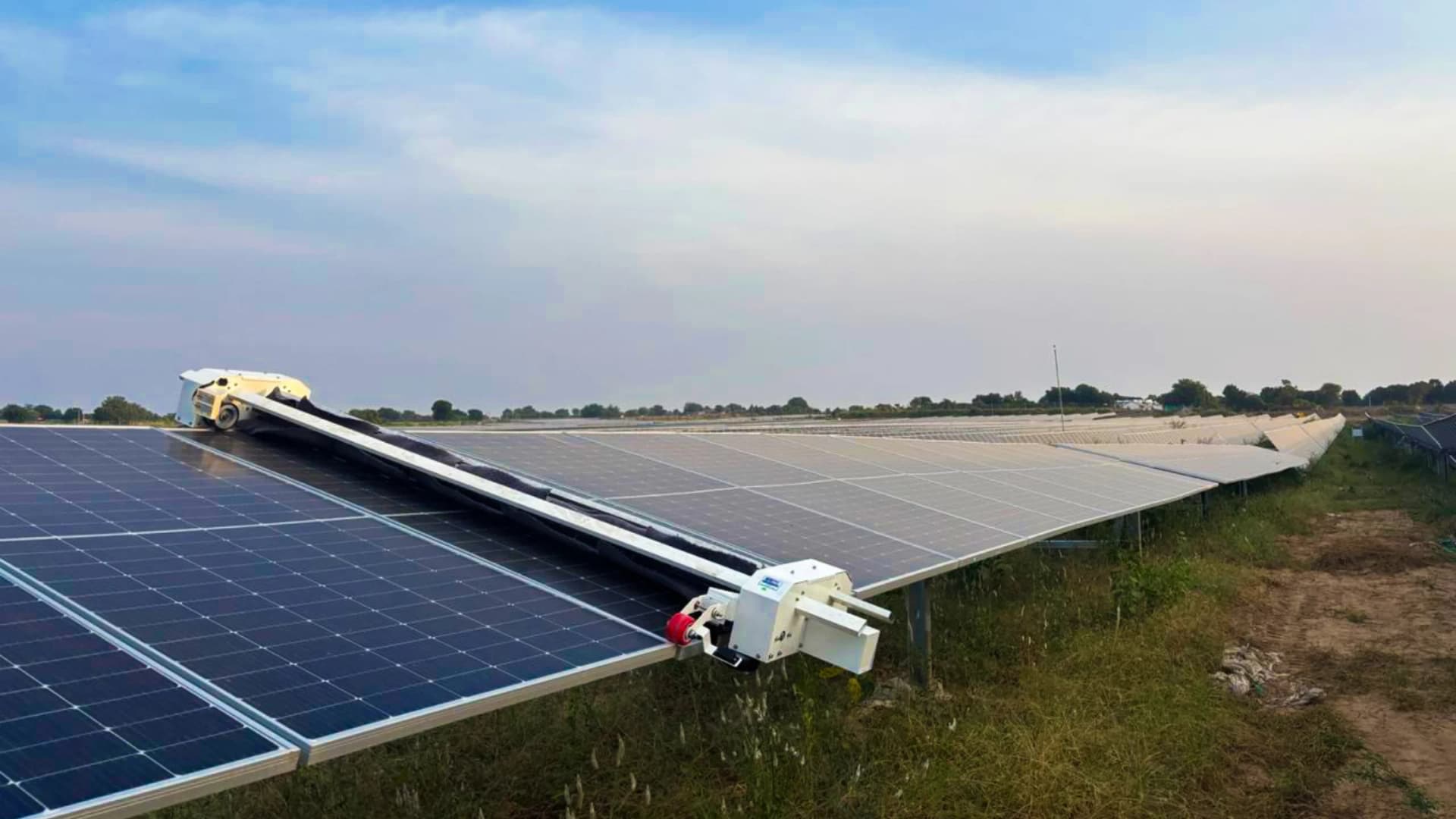
- Tracker cleaning tech: automatic cleaning for single-axis trackers.
Why tracker O&M is a combined discipline
Single-axis trackers dominate new Indian utility builds in Rajasthan, Gujarat, Karnataka, and Maharashtra. Each row is a small factory line: motor, gearbox or push-pull drive, control box, sensors, and hundreds of modules that must stay within wind stow limits. Dust adds friction to every task. Manual crews slow on long rows. Robots need night windows when modules stow flat or at approved angles.
Treating cleaning as a separate vendor silo without tracker coordination is how plants end up with shiny fixed-tilt corners and shadowed tracker blocks still offline from last week's drive fault.
Maintenance calendar for Indian utility trackers
| Task | Cadence | Owner |
|---|---|---|
| SCADA motor/alarm review | Daily | Control room |
| Row angle vs setpoint spot check | Weekly sample | O&M technician |
| Grease, bolt torque sample | Quarterly | Mechanical contractor |
| Drive and controller deep service | Annual (OEM program) | Authorized service |
| Cleaning path clearance survey | Pre-monsoon | Cleaning + mechanical |
| Robot wind interlock test | Annual + after firmware updates | Robot vendor + plant |
| Post-storm stow verification | After wind events above threshold | Control room |
Common mechanical faults and PR signatures
Uniform PR drop across a block often points to soiling. A sharp drop on one row with neighbors normal often points to tracking failure or stuck stow. Inter-row shading from misalignment shows as jagged inverter-level curves in afternoon hours. Train analysts to separate these signatures before dispatching cleaning crews.
Gearbox wear, seized bearings, and failed communication nodes repeat in dusty sites where inspection intervals slip. Dust on controllers is not the same as dust on modules, but both need scheduled attention.
Cleaning on trackers: constraints that fixed tilt ignores
Manual brush crews on 80 to 120 meter rows face fatigue, inconsistent pressure, and safety limits at height. Daytime cleaning on tracking rows loses generation and may conflict with sun-following angles. Night cleaning requires stow confirmation and wind speed below robot or crew limits.
Robots designed for trackers traverse at stow with mapped paths. They abort when wind exceeds thresholds. Document those thresholds in O&M manuals and vendor SLAs. Read robotic cleaning on trackers vs fixed tilt and manual brush limits at 50 MW before standardizing one method plant-wide.
Worked example: 10 MW single-axis plant in Gujarat (illustrative)
Assume 10 MW AC, single-axis trackers, PPA near ₹3.20/kWh, annual generation roughly 17 GWh at target PR. One row offline for two weeks in May due to drive fault might shadow 2 to 4 adjacent rows depending on geometry, potentially costing 0.5 to 1.2% of monthly plant MWh if not flagged quickly.
| Issue | Illustrative 2-week impact | Priority vs cleaning |
|---|---|---|
| Row drive offline (shadowing) | ₹2 to 5 lakh revenue gap | Fix mechanical first |
| Uniform soiling (-4% PR block-wide) | ₹3 to 6 lakh on affected block | Schedule clean |
| Both simultaneously | Compounding under-reporting in dashboards | Split root-cause analysis |
Use PR calculation at row or block granularity where SCADA allows.
Regional considerations in India
Western arid sites stress dust and wind stow frequency. Coastal Gujarat adds salt on drives and modules. Central India monsoon humidity increases corrosion risk on exposed connectors if inspection lapses. High-wind corridors require stricter post-storm walkdowns before releasing robots or crews onto rows.
OEM stow programs differ by tracker vendor. Do not assume one robot vendor's wind map applies to another tracker make without written joint approval.
Integrating robots into tracker PM workflows
Fleet software should receive stow OK signals from plant SCADA or manual checklists before nightly runs. Log aborted rows with reason codes: wind, obstacle, communication loss. Mechanical teams review abort logs weekly; recurring aborts at the same row often indicate vegetation, cable tray shifts, or drive problems masquerading as robot faults.
Compare robotic vs manual cleaning and choosing a cleaning system when upgrading tracker blocks.
Should you clean tracker rows before fixing offline drives?
Generally no. Shadow losses from offline rows can dominate until mechanical clearance. If the row is offline but not shadowing neighbors severely, coordinate repair and cleaning to minimize duplicate mobilization costs. Exception: if soiling is so heavy that technicians cannot safely inspect hardware, a limited clean may be required first under OEM safety rules.
Lubrication, corrosion, and dust on mechanical components
Tracker grease schedules exist because dust ingress accelerates wear on slewing drives and bearing races. In Rajasthan sites, quarterly grease sampling should check contamination color and viscosity. Skipping grease rounds to save opex often surfaces as motor current alarms six months later, with shadow loss exceeding cleaning campaign cost.
Corrosion on exposed bolts and grounding straps increases after monsoon if drainage blocks. Cleaning robots do not replace these mechanical tasks; they share the same row access windows.
Documentation lenders expect on tracker plus cleaning programs
Monthly asset packs increasingly combine availability, PR, tracker fault counts, and cleaning pass coverage. Provide summaries of rows offline more than 24 hours, cleaning rows completed versus planned, and wind abort hours. Lenders use these trends before operational cure periods trigger.
Align reporting with PR standards and maintenance checklists.
Spare parts strategy for tracker plants in remote sites
Remote Rajasthan and Kutch sites should stock critical drive components, communication modules, and robot batteries onsite rather than relying on metro warehouses. A three-day parts delay during May peak can cost more MWh than the spare inventory carrying cost. Align spare lists with OEM recommended criticality tiers and robot vendor consumables.
Training crossover between mechanical and cleaning crews
Mechanical technicians should recognize soiling PR signatures; cleaning operators should recognize tracker stow abort causes. Cross-training reduces blame cycles when blocks underperform. Half-day joint drills pre-monsoon pay back quickly on hybrid O&M contracts.
Key takeaways for plant managers
- Tracker O&M is mechanical reliability and cleaning combined, not either/or.
- Shadow losses can dominate block PR until tracking faults clear.
- Document OEM stow and wind rules for robot and manual vendors.
- Pre-monsoon path surveys prevent storm-season abort cascades.
- Train control rooms to distinguish tracking alarms from soiling drift.
Pair tracker mechanical PM with cleaning route surveys each pre-monsoon. Misaligned rows and blocked robot paths both steal afternoon MWh.
Related resources
Frequently asked questions
Trackers add moving parts: drive motors, slewing drives or linear actuators, bearings, controllers, wind stow logic, and row-to-row alignment. Cleaning must coordinate with stow angles, cable trays, and row curvature. A fixed-tilt wash plan pasted onto trackers often leaves long rows dirty or unsafe.
Yes, with robots designed for tracker clearance and documented OEM approval. Paths must be surveyed for end-of-row turns, gap tolerances, and wind interlocks. Not every robot that works on fixed tilt will traverse a 90-meter tracker row at night stow.
Rows stuck off-ideal angle, offline controllers, or misaligned tables create long shadows on neighbors. Shadow loss can exceed uniform soiling loss on adjacent blocks until the fault is cleared. Always check SCADA before blaming dust.
Follow OEM programs, typically daily SCADA review, quarterly visual and bolt sampling in dust regions, annual deep service on drives and bearings, plus post-storm mechanical checks when wind events exceed design thresholds.
Illustrative annual ranges vary by OEM and dust regime, but combined mechanical PM plus cleaning often runs ₹25 to 45 lakh/year for a 10 MW single-axis site in western India when robots or specialized crews are included. Split mechanical vs cleaning in your model for clearer accountability.