Quick answer: Evaluating a solar machine for utility-scale sites
Choosing a solar machine for a utility-scale project requires prioritizing site-specific mechanical constraints and long-term performance recovery metrics over generic manufacturer promises. O&M teams must shift their focus from mere CAPEX comparisons to a total-cost-of-ownership model that accounts for module integrity, cleaning frequency, and site-specific soiling rates.
- Performance Recovery: Robotic systems typically restore 5-15% of total yield lost to soiling in high-dust regions like Rajasthan and Gujarat.
- Deployment Scale: For 5MW+ sites, automated systems should be evaluated based on a break-even threshold of 3-5 years compared to manual cleaning labor costs.
- Operational Efficiency: A waterless solar machine is preferred for arid sites to avoid local water scarcity issues and logistics costs.
- System Integration: Ensure the machine supports API or Modbus connectivity for seamless integration with existing SCADA/EMS infrastructure.
What criteria should Indian O&M teams use to evaluate a solar machine?
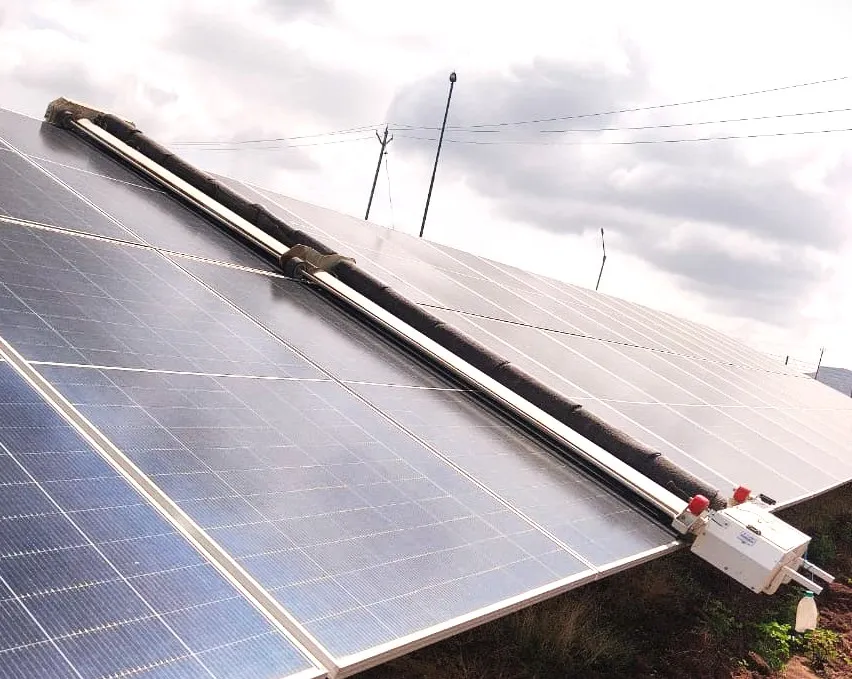
For utility-scale assets in India, the evaluation of a solar machine must be grounded in the operational realities of the site, which often features extreme heat, varying terrain, and heavy seasonal dust deposition. The following rubric provides a structured framework for O&M procurement teams to assess the viability of any robotic cleaning solution.
1. Mechanical Compatibility and Tracker Geometry
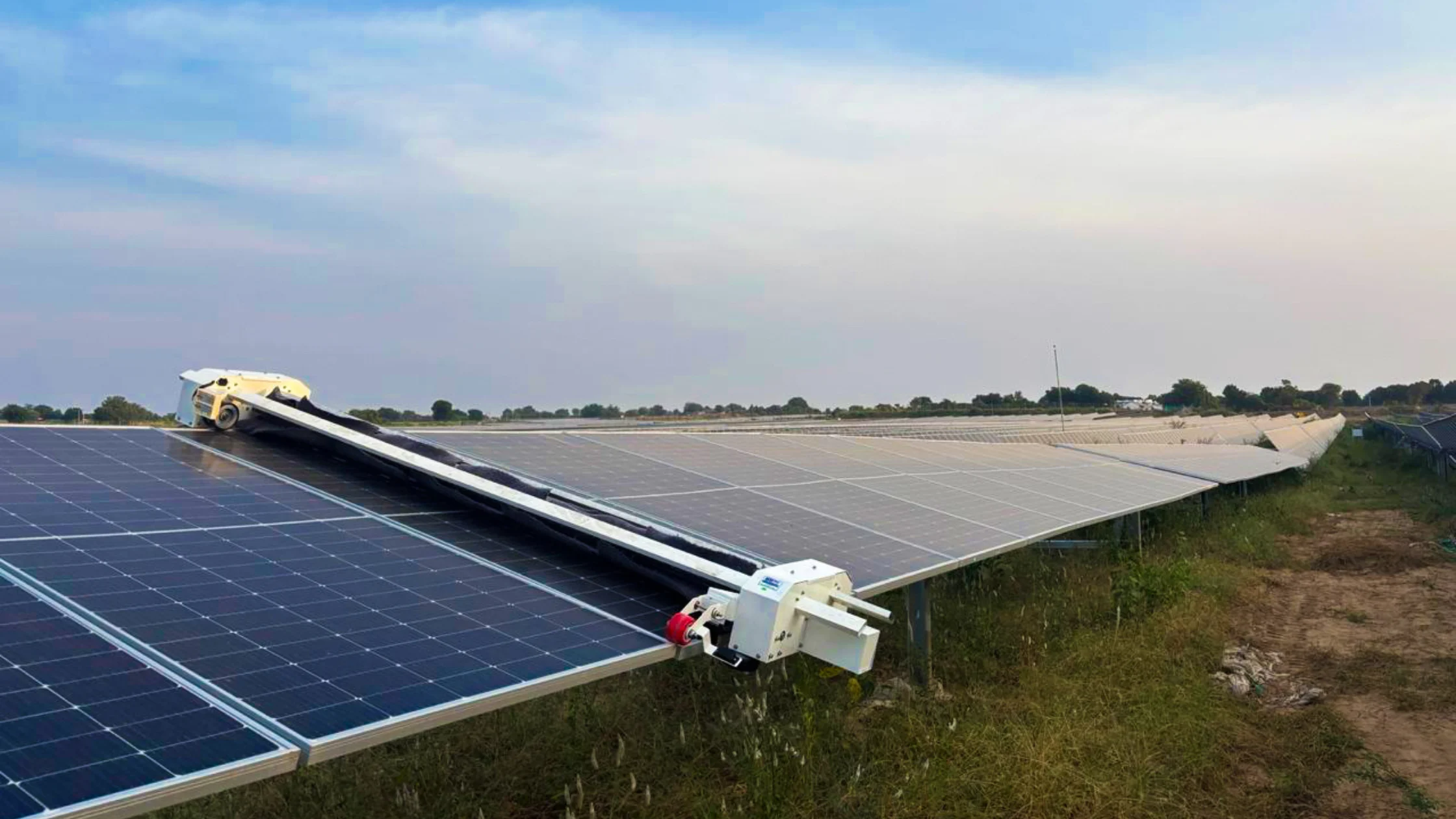
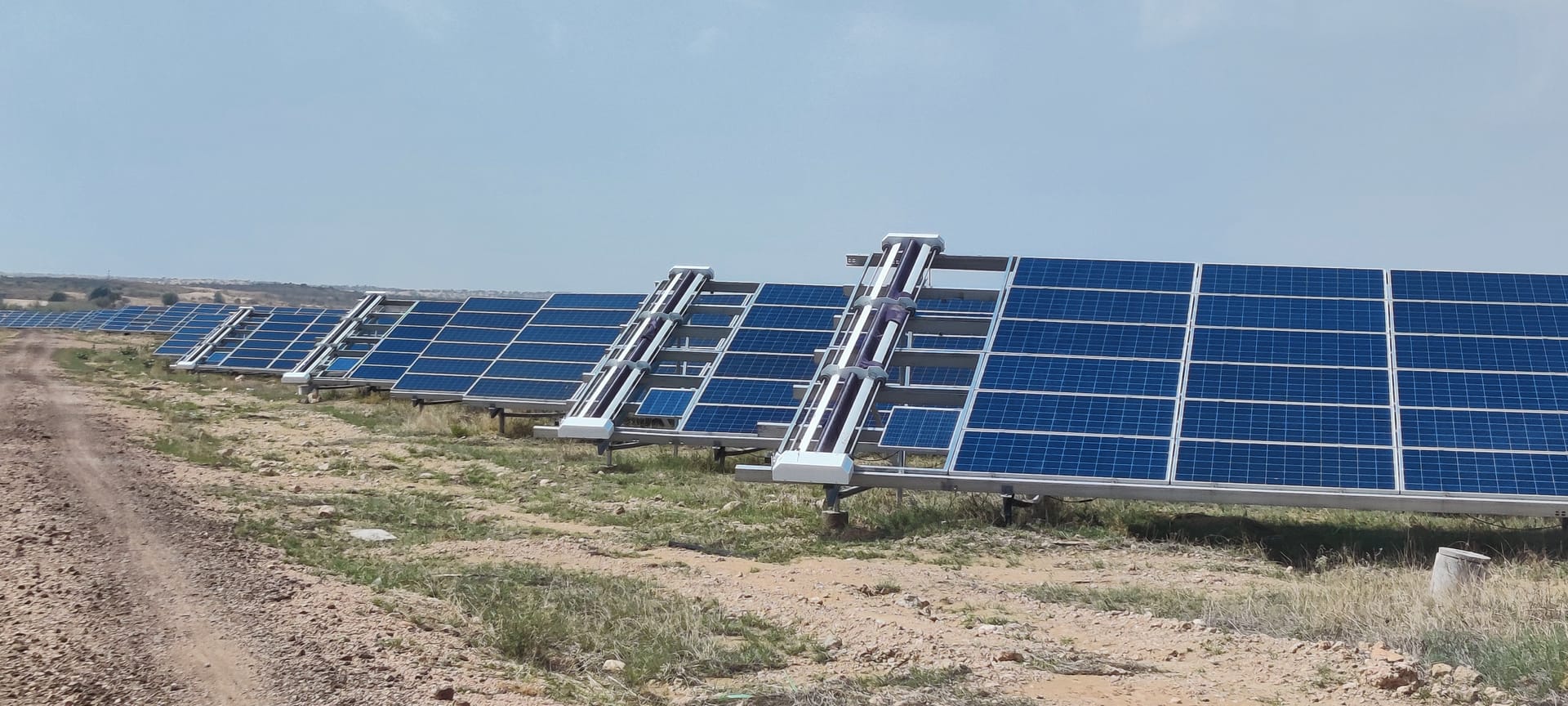
The primary failure point for many robotic cleaners is the mismatch between the robot’s locomotion system and the site's tracker hardware. O&M teams must verify the machine's ability to navigate the specific tilt angles and inter-row gaps of their installed tracker tables. Whether you are using horizontal single-axis trackers (HSAT) or fixed-tilt configurations, the robot must demonstrate a proven interface with your specific tracker manufacturer's hardware to avoid structural damage. Improper alignment can lead to mechanical stress on module frames or, worse, failure to return to the docking station during extreme wind events.
2. Cleaning Technology: Microfiber vs. PBT Bristles
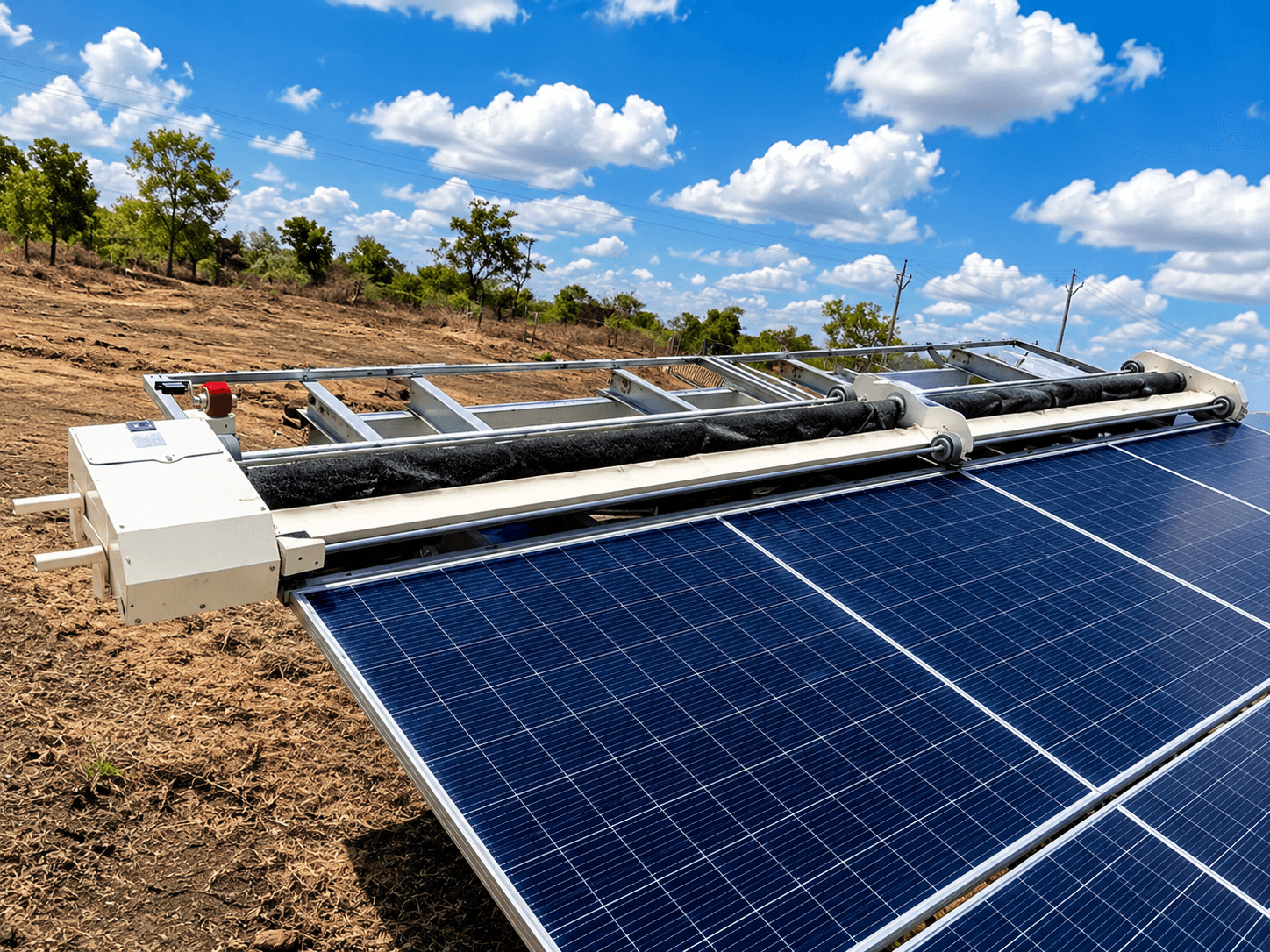
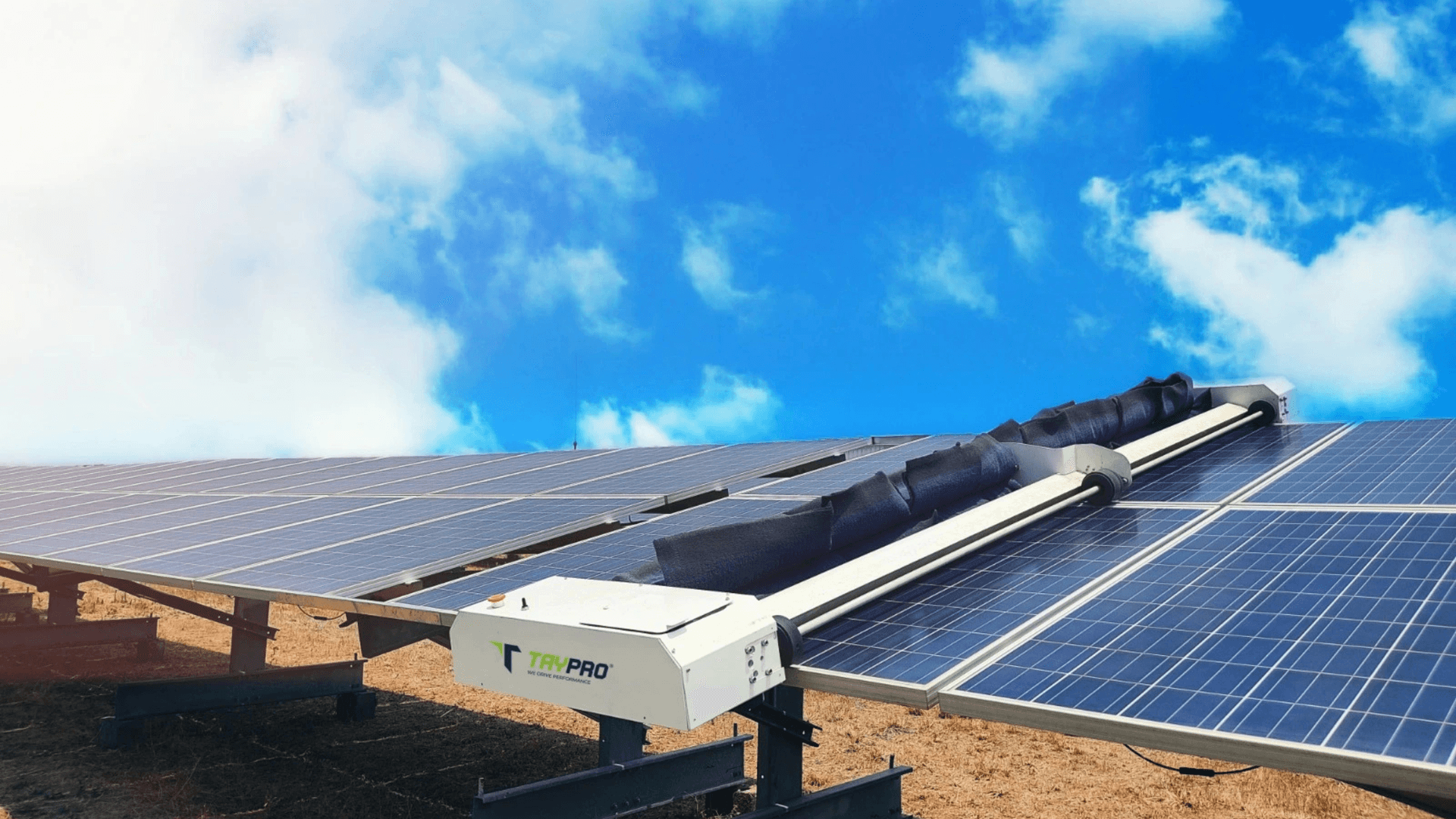
Not all solar machines are created equal regarding surface contact. The choice between dual-pass microfiber (ideal for delicate anti-reflective coatings) and single-pass PBT brushes depends on your local soil composition. While coarse dust might suggest a more robust brush, fine particulate matter often common in desert belts requires the nuance of microfiber to prevent micro-scratching. Evaluating the machine means testing these brushes against your specific glass type, ensuring that the cleaning cycle does not degrade the modules over a 25-year lifecycle. Read more on how this impacts long-term efficiency in our guide to PV module selection and robotic O&M impact.
3. Operational Intelligence and Data Integration
A solar machine is only as effective as the intelligence driving it. Modern utility-scale O&M teams should require that any cleaning robot supports advanced fleet management software. This allows for data-driven scheduling where cleaning cycles are triggered by real-time irradiance losses rather than a static calendar. Integration with your site's SCADA system is critical; the machine should provide feedback on battery levels, battery health, and completed cleaning status directly to your central control room. This connectivity minimizes the need for manual site visits, effectively moving your O&M team toward a truly autonomous model.
4. Long-term Financial and Yield Recovery
When calculating the return on investment for a solar machine, you must weigh the upfront cost against the life-cycle yield recovery. In regions with high soiling, the difference between a 95% performance ratio and a 90% performance ratio can be the difference between meeting or missing power purchase agreement (PPA) obligations. For a 50MW+ site, the cumulative loss from just 2-3% of unchecked soiling can be substantial, making the investment in high-uptime robotic hardware an insurance policy for your asset's revenue. For detailed budgeting frameworks, see our analysis on utility-scale budget lines and O&M implications.
5. Support Network and Availability of Spares
Finally, the best-performing robot is worthless if it sits idle awaiting parts. O&M teams must prioritize manufacturers with a documented pan-India supply chain and a localized service network. Given that solar plants operate in remote corners of Rajasthan, Gujarat, or Karnataka, the response time for a site visit or a replacement part is a key metric. Evaluate the manufacturer’s regional warehouse capacity and their ability to provide on-site technical training for your existing O&M personnel.
How does a robotic solar machine compare to manual cleaning on 5MW+ sites?
For utility-scale assets exceeding 5MW, the transition from manual labor to a robotic solar machine is primarily a shift from variable, high-risk operational expenditure to predictable, asset-protecting capital investment. Manual cleaning in Indian sites often suffers from inconsistent water usage, potential glass micro-scratching due to improper brush pressure, and labor-intensive schedules that struggle to keep pace with rapid soiling cycles in dust-prone belts like Rajasthan or Gujarat.
Robotic systems introduce a level of standardization that manual crews cannot match. By utilizing controlled, dry cleaning methods, these machines remove the dependency on trucked-in water, a significant logistics challenge for remote 5MW+ sites. When you evaluate the performance gap, consider the following metrics:
- Consistency: Robots follow pre-programmed paths, ensuring uniform coverage across every panel, whereas manual crews may miss edge cases or apply uneven pressure during long shifts.
- Safety and Reliability: Eliminating human presence on tracker structures reduces the risk of mechanical damage to PV frames and minimizes health and safety liabilities for the O&M contractor.
- Data-Driven Frequency: Robotic platforms, when paired with site monitoring, allow for cleaning based on actual performance ratio (PR) drops rather than arbitrary dates, directly optimizing yield recovery.
For a detailed breakdown of how this efficiency impacts the bottom line, refer to our analysis on evaluating solar power cleaning service ROI.
Managing the logistics of solar machine deployment on single-axis trackers
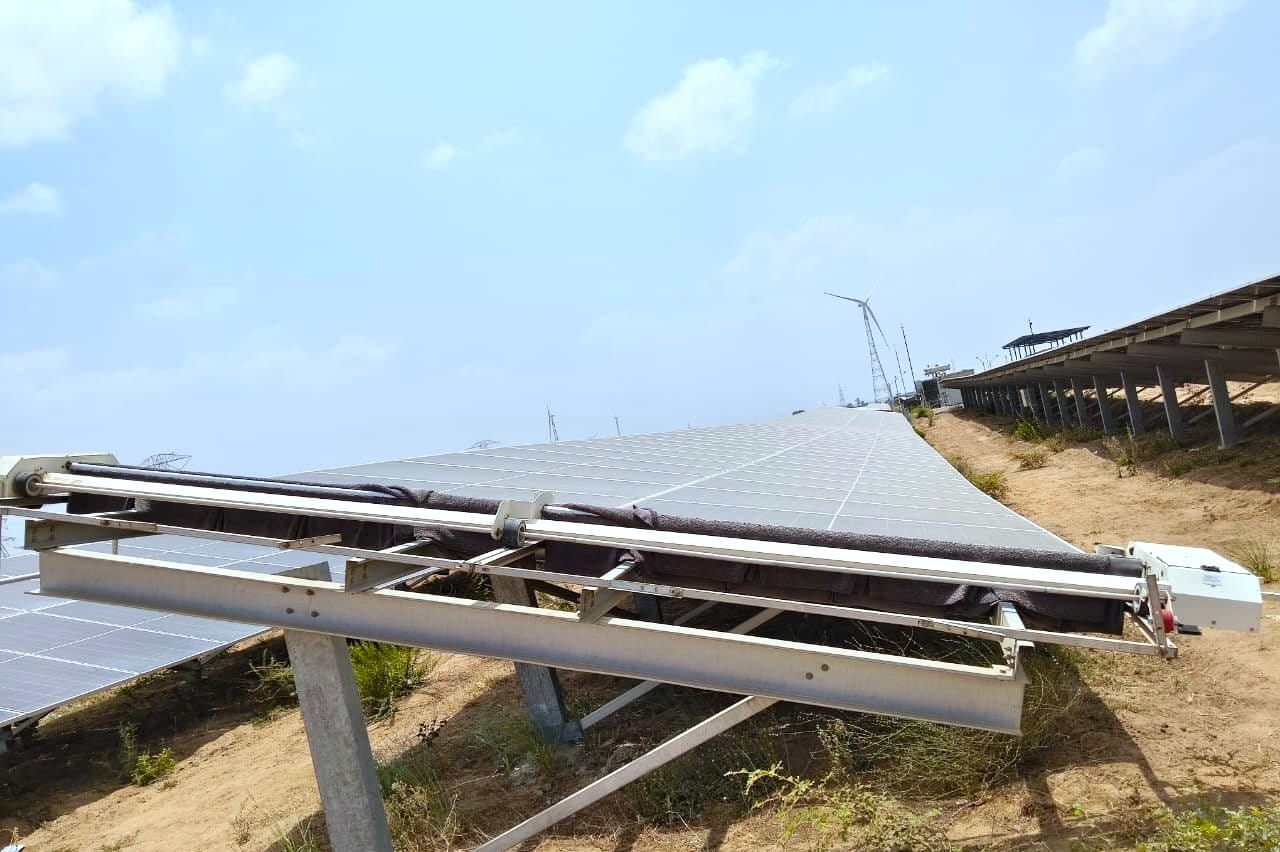
Deploying a solar machine on horizontal single-axis trackers (HSAT) requires a rigorous assessment of the mechanical interface between the robot and the tracker geometry. Unlike fixed-tilt sites where ground conditions are the primary hurdle, tracker sites present dynamic tilt ranges, usually between -52° and +52°, which demand highly specialized robotic hardware like the GLYDE-X or NYUMA-X series. The evaluation process for your O&M team must center on three core logistical pillars:
1. Tracker Compatibility and Mechanical Constraints
The robot must be validated for your specific tracker manufacturer, such as NEXTracker or Gamechanger. An improperly matched robot may cause excessive torque on the tracker drive system or fail to maintain constant contact during the tracking arc. Verify that the robot’s suspension system can articulate correctly to handle the inter-row gap and the elevation changes that occur as the tracker follows the sun throughout the day. Compatibility documentation should be a non-negotiable part of your procurement checklist.
2. Safe Transit and Wind Event Protocols
Utility-scale tracker sites are often located in high-wind zones. Your chosen solar machine must be capable of autonomous self-docking to a secure position when the site’s SCADA system triggers a stow mode during severe weather. O&M teams should simulate these wind-event scenarios to ensure the machine does not become a projectile or a structural hazard during stowed tracker conditions. The integration with your site’s central control via mesh networks is essential for these automated safety responses.
3. Autonomous Path Planning and Obstacle Detection
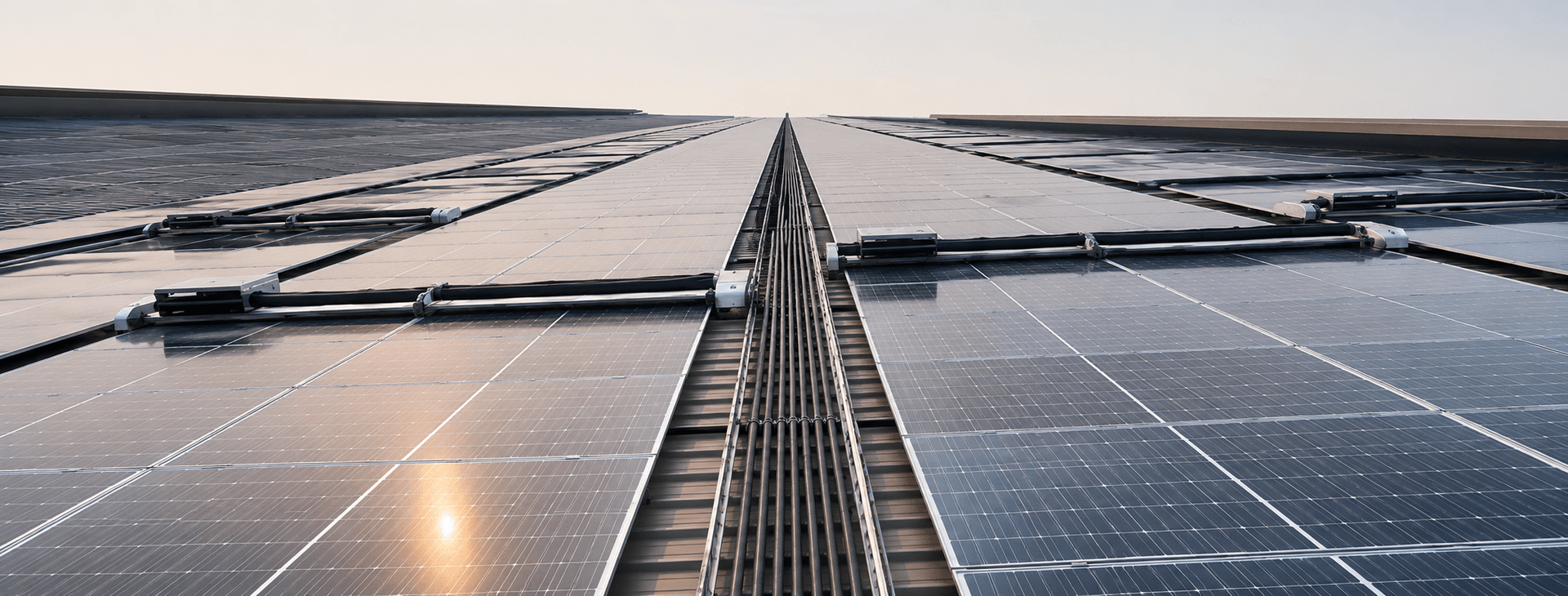
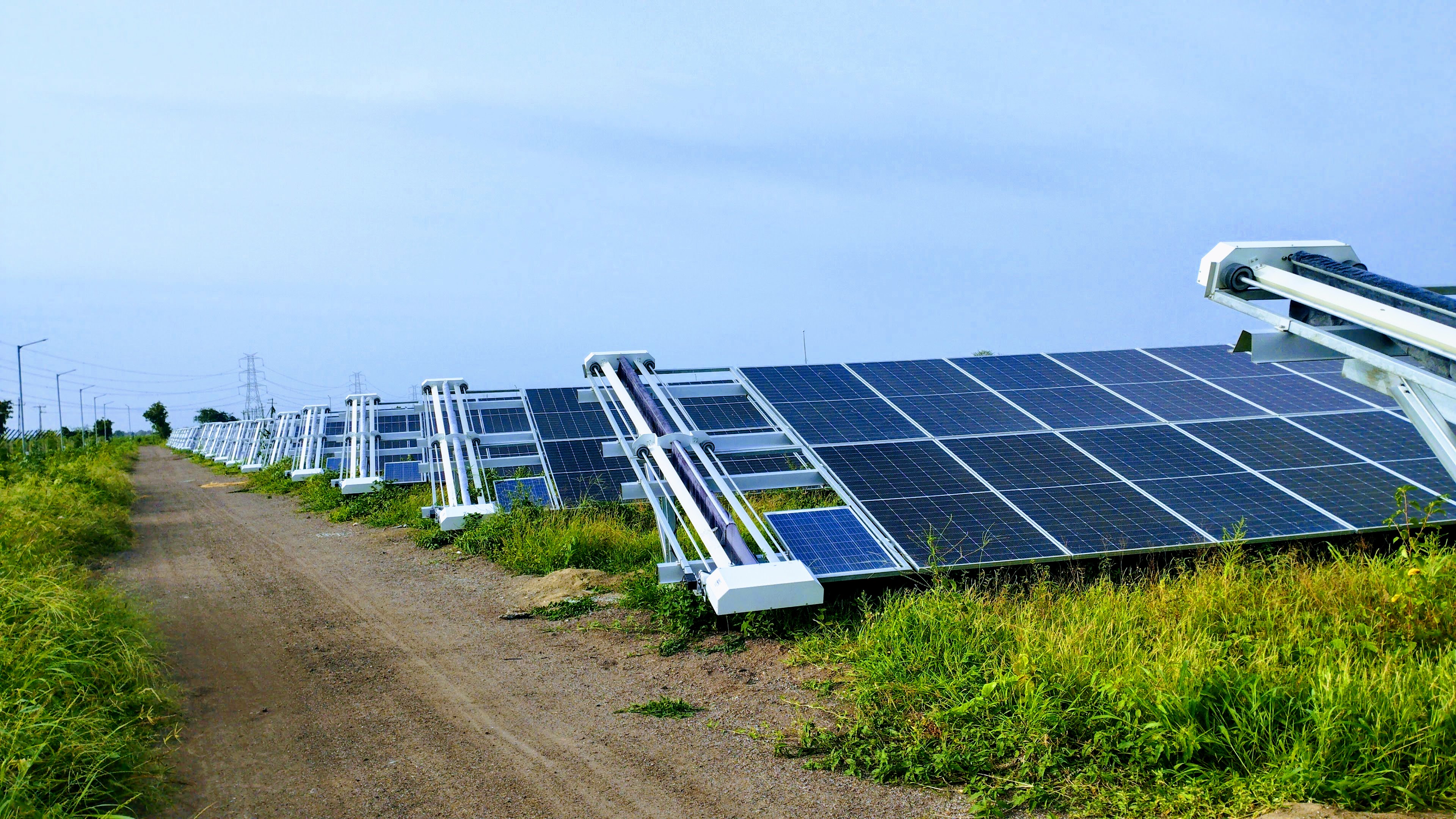
On large tracker arrays, the robot must be capable of navigating from one tracker table to the next, often requiring specialized bridge or jump-over technology to cross the inter-table gaps. Evaluate the machine's ability to detect and stop for obstacles, such as misaligned modules, structural bolts, or cabling that may be hanging out of place. A failure to navigate these obstacles without human intervention defeats the purpose of autonomous O&M. As you plan your site's operational readiness, consult our guide on site preparation for automatic solar panel cleaning on trackers to ensure your infrastructure is optimized before the machine is commissioned.
When assessing these logistics, remember that the goal is a fully integrated ecosystem. The robot should not exist as an isolated island; it must interface with your plant's intelligence layer to report its location, battery status, and cleaning progress in real-time. This level of connectivity transforms the cleaning process from a manual chore into a seamless extension of your plant's predictive maintenance strategy.
Assessing machine reliability in India's diverse dust-belt climates
Reliability in the context of a solar machine is not measured by performance in a laboratory, but by its sustained operational capability across the distinct soil and climate profiles of the Indian subcontinent. Whether your site is located in the abrasive, sandy plains of Rajasthan or the humid, saline coastal belts of Tamil Nadu, the machine must maintain structural and functional integrity without requiring constant technician intervention. O&M teams should evaluate the following environmental durability benchmarks before deployment:
1. Material Resilience and Sealing Standards
Indian utility sites frequently reach ambient temperatures exceeding 50°C, and equipment surfaces can often climb to 90°C. Ensure the robotic hardware, such as the NYUMA or GLYDE series, is rated with at least an IP65 ingress protection rating to prevent fine dust particles from entering the drivetrain. Check for UV-stable components and anti-corrosive coatings on the chassis, which are essential for long-term survival in high-irradiance, corrosive dust-belt environments.
2. Cleaning Technology Compatibility with Local Soiling
Soiling in India is not uniform. Heavy agricultural residue in Punjab requires different cleaning friction than the fine, wind-blown silt found in Bikaner. For sites with high concentrations of sticky, mineral-rich dust, a solar machine utilizing patented dual-pass microfiber (like the GLYDE-X) is generally more effective at removing particulate matter without scratching anti-reflective coatings. Conversely, if your site faces consistent, loose dust, a robust single-pass PBT brush system may offer the necessary mechanical efficiency at a different cost-benefit profile. Always request a site-specific soiling analysis to match the cleaning method to your local particulate profile.
3. Autonomous Operational Uptime
The most critical metric for evaluating a solar machine is its mean time between interventions (MTBI). An autonomous platform that requires human presence once a week to reset or clear debris negates the financial gains of automation. Review the manufacturer’s service network and regional warehouse availability. With a manufacturing capacity of over 200 robots per month and 8+ warehouses across India, vendors like Taypro provide the logistical backbone necessary to keep these machines running, a factor that is as important as the robot's hardware specifications itself.
Technical integration: Linking your cleaning machine to plant intelligence
A solar machine is only as effective as the data-driven ecosystem it resides within. In a modern utility-scale plant, the robotic cleaner must function as an intelligent sensor and actuator, integrated directly into your SCADA or Energy Management System (EMS). This connectivity allows for dynamic, performance-based cleaning schedules rather than static, calendar-based ones.
1. SCADA Compatibility and Mesh Connectivity
The robot must communicate via reliable wireless protocols, such as RF mesh networks, to maintain a connection even in the expansive, multi-block environments typical of 50MW+ plants. This link allows the plant controller to override cleaning schedules if the machine detects an anomaly or if the site needs to enter a full-plant stow mode due to high-wind alerts. Ensure the machine’s NECTYR-like fleet management portal can ingest real-time telemetry from your existing plant sensors, such as pyranometers, to correlate performance ratio (PR) drops with cleaning frequency.
2. Predictive Maintenance and Data Analytics
The transition from reactive to predictive maintenance requires the machine to provide more than just "clean" or "not clean" status updates. Modern utility O&M teams should demand granular data from the machine, including battery health trends, motor torque analysis, and obstacle detection logs. By analyzing this data, O&M managers can identify hardware failures before they occur and optimize cleaning routes to avoid heavily damaged rows. This data-driven approach is essential for achieving 95%+ to 99%+ dust removal per cycle (by robot model), as seen in projects utilizing advanced autonomous robot fleets.
3. The Role of Centralized Fleet Monitoring
Effective integration requires a single pane of glass. A robust platform should offer a bird’s-eye view of your entire robot fleet across multiple project sites. This allows remote diagnostic capabilities, such as force-rebooting a unit or adjusting the cleaning parameters for a specific tracker block, without dispatching a field team. For O&M leads, this level of oversight reduces the operational burden and ensures that the cleaning system contributes directly to maximizing the plant's overall energy yield, further detailed in our guide on the role of data analytics in solar panel cleaning.
By treating the cleaning robot as an integrated IoT node rather than an isolated tool, your O&M team shifts from manual labor management to high-level fleet optimization. This, combined with rigorous site preparation, ensures the longevity and performance of your solar assets. For further guidance on optimizing your infrastructure, review our recommendations for optimizing PV panel commissioning and robot integration.
Key takeaways for O&M procurement
As you transition your 5MW+ site toward an automated O&M model, the evaluation of a solar machine must be treated with the same rigour as your initial module and inverter procurement. The goal is to move from reactive, labor-intensive cleaning cycles to a predictive, machine-led strategy that protects your asset's performance ratio (PR) over the long term.
- Prioritize local support: A machine’s theoretical performance is secondary to its real-world uptime. Ensure your vendor has a proven regional presence, such as Taypro’s 8+ warehouses across India, to facilitate rapid spare parts replacement and technical assistance.
- Validate compatibility early: Not every machine fits every mounting structure. Whether you are using horizontal single-axis trackers or fixed-tilt tables, cross-verify the robot's mechanical articulation and brush type (microfiber vs. PBT) against your specific panel frames and coating specifications to prevent long-term micro-cracking.
- Demand SCADA and EMS integration: A standalone cleaning unit is a liability; an integrated one is an asset. Ensure your chosen cleaning technology can feed telemetry into your existing plant management software to enable data-driven cleaning cycles that respond to actual site conditions rather than static calendars.
- Assess total cost of ownership (TCO) beyond CAPEX: Compare the long-term O&M impact of purchasing units versus managed service models. Factoring in water usage, labor costs, and yield recovery, where robots can help reach 95%+ to 99%+ dust removal per cycle (by robot model), is essential for calculating a realistic ROI.
- Focus on scalable fleet management: As your portfolio grows, you need a single source of truth. Solutions like NECTYR allow for fleet-wide visibility and remote diagnostics, which are critical for maintaining high performance across multiple project sites without inflating your operational overhead.
By focusing on these procurement pillars, Indian utility operators can ensure their investment in a solar machine delivers consistent, repeatable efficiency gains. For deeper insights into balancing your operational budget against performance targets, refer to our analysis on photovoltaic panels price and long-term O&M budget allocation or explore the specific technical demands of commissioning at PV module selection for India's MW plants. The shift to automation is not merely an equipment upgrade; it is a fundamental improvement in how your utility-scale asset recovers revenue that would otherwise be lost to dust.
Frequently asked questions
Choosing a solar machine for a utility-scale project requires prioritizing site-specific mechanical constraints and long-term performance recovery metrics over generic manufacturer promises. O&M teams must shift their focus from mere CAPEX comparisons to a total-cost-of-ownership model that accounts for module integrity, cleaning frequency, and site-specific soiling rates.
Yes, it is highly cost-effective for sites exceeding 5MW. By deploying a robotic system, operators can recover 5–15% of total energy yield lost to soiling in high-dust regions like Rajasthan and Gujarat. When factoring in reduced manual labor requirements and improved yield consistency, the investment typically pays for itself within the expected 3–5 year break-even timeframe.
The primary challenge involves matching the robot’s locomotion system with your specific tracker geometry. You must verify that the machine can navigate the tilt angles and inter-row gaps without causing mechanical stress to module frames. Improper alignment risks structural damage during operation or failure to reach the docking station safely during extreme weather events.
A waterless solar machine provides superior ROI for arid sites by eliminating high logistics costs and water scarcity issues. By avoiding water dependence, these systems ensure constant performance recovery in dusty environments. They also simplify operations in regions where transporting water is expensive, contributing to a more sustainable long-term maintenance strategy for utility-scale solar assets.