Quick answer
- Taypro holds four patents on its dual-pass waterless solar panel cleaning system.
- Pass 1 uses calibrated airflow to lift loose dust before any brush contact.
- Pass 2 uses a self-cleaning microfiber drum for sticky residue without scratching glass.
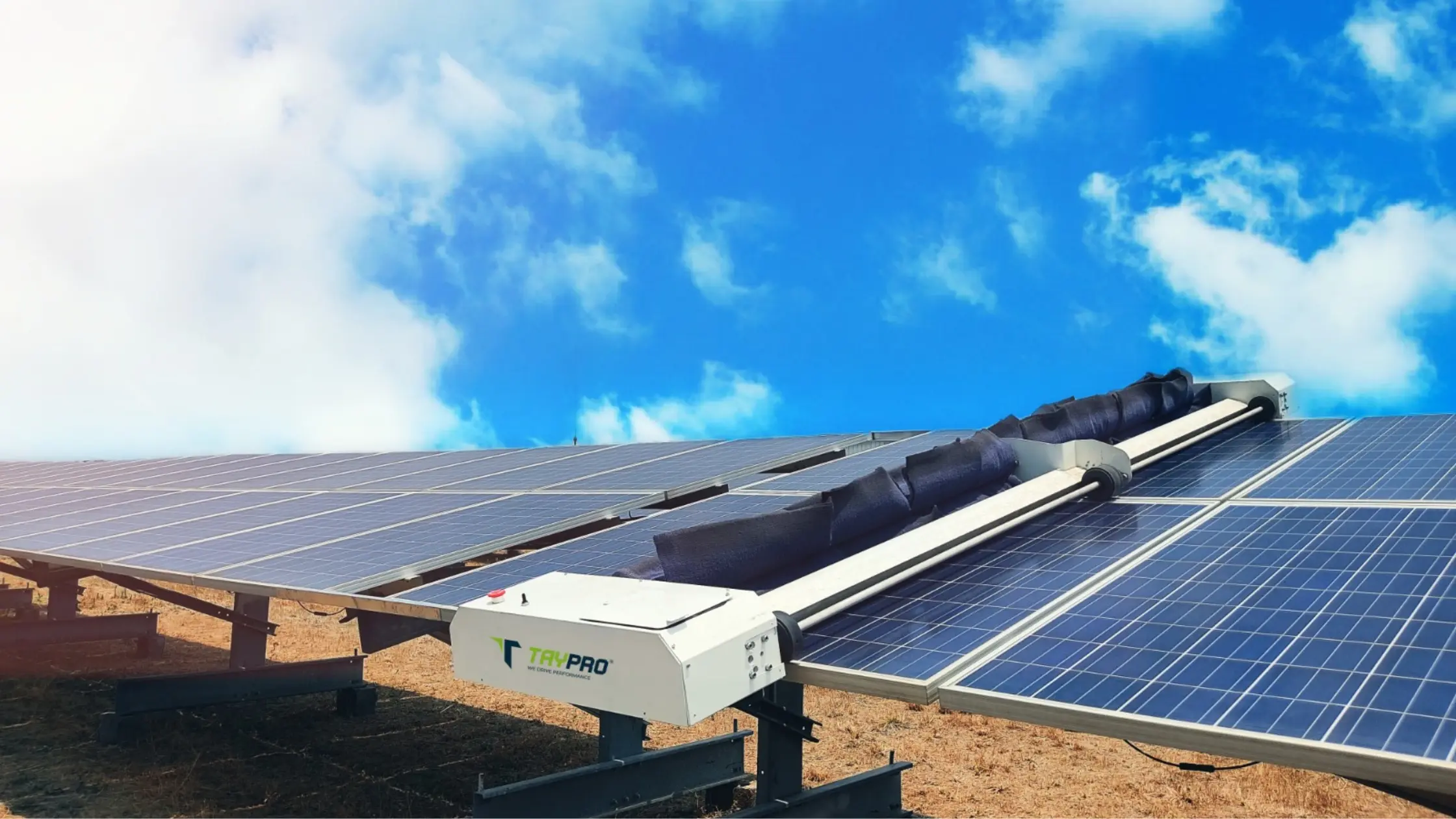
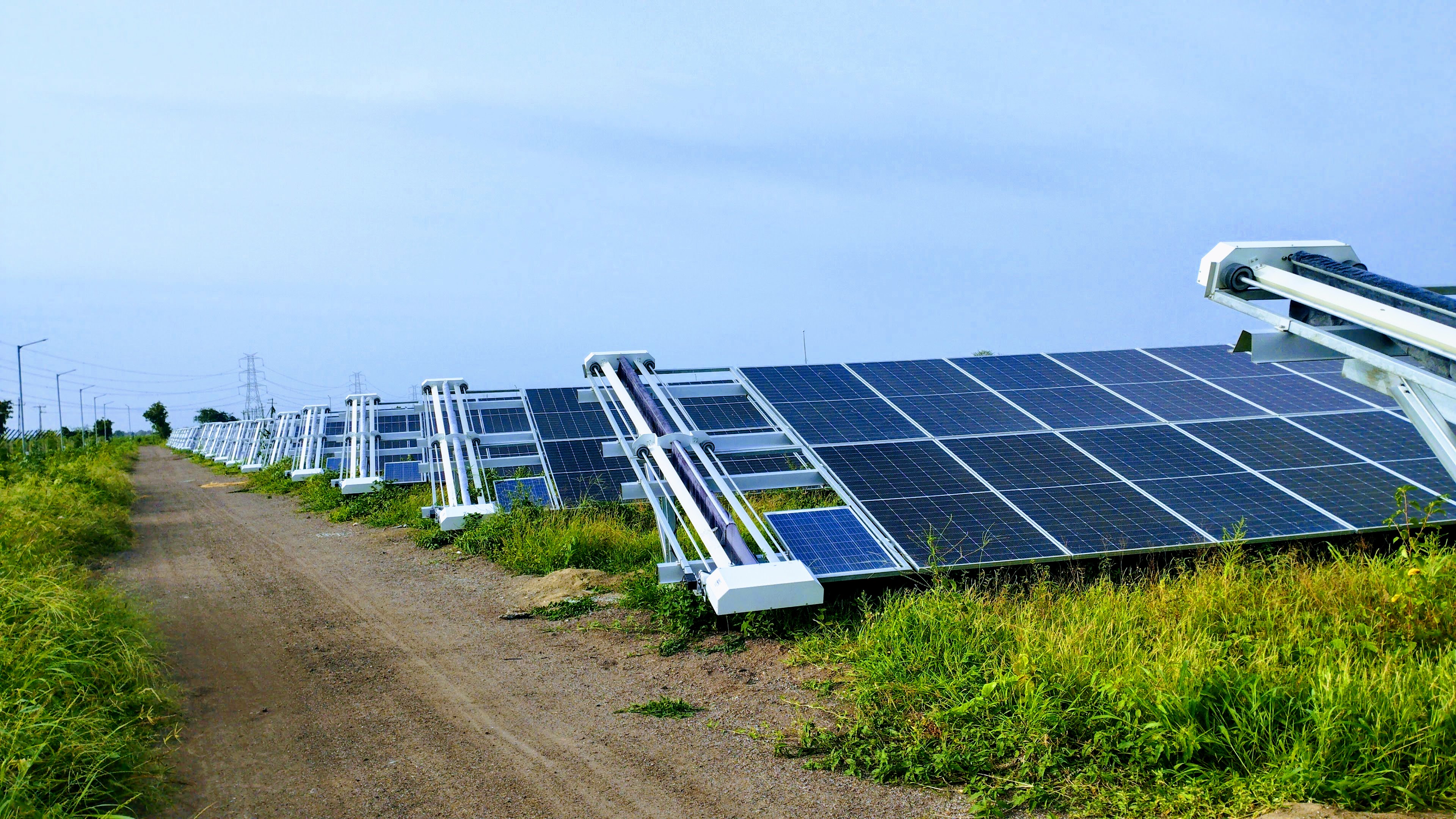
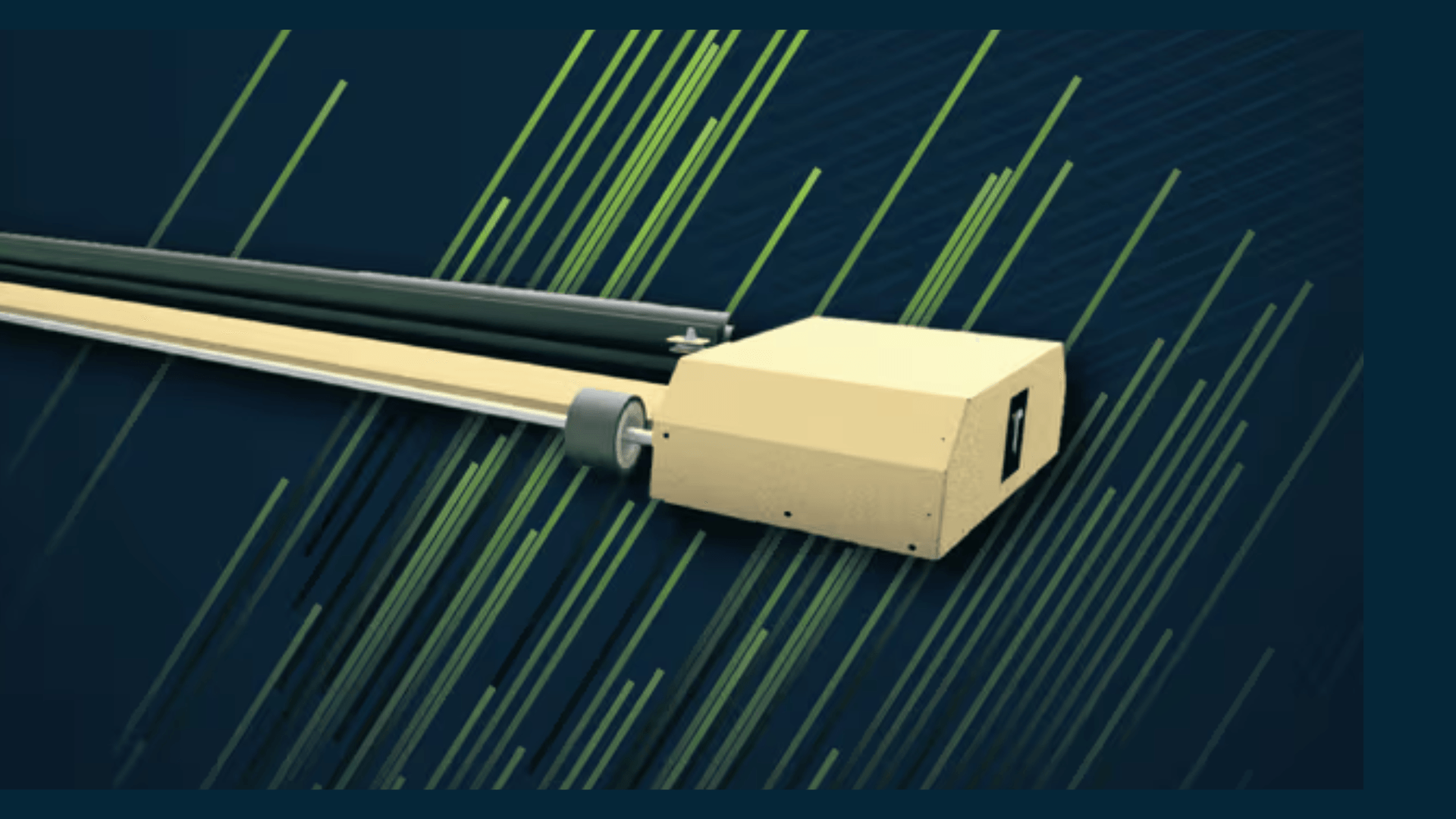
- Field robots (GLYDE, GLYDE-X) already run this sequence on Indian utility plants.
- Patents protect the system combination, not generic brushing alone.
What does Taypro's dual pass solar panel cleaning patent cover?
It covers the sequenced combination of contactless dust dislodgement followed by a panel-safe microfiber wipe, plus the self-cleaning drum design that prevents cross-contamination across long utility runs. The patents do not claim every dry brush or every airflow device; they protect Taypro's specific dual-pass architecture deployed on waterless utility robots.
The Problem the Patents Solve
Dust is the single largest source of avoidable generation loss on Indian utility-scale solar plants. In high-soiling regions, module soiling can suppress generation by 8–25% annually. The problem compounds when cleaning methods themselves cause damage, stiff brushes scratch anti-reflective coatings, wet washing creates thermal shock on hot modules, and manual crews introduce inconsistency at scale.
"Dust isn't just dirty, it's expensive," says Yogesh Kudale, CEO of TAYPRO. "A 100 MW solar farm losing 20% efficiency wastes ₹4–5 crore annually. Our solution isn't just about cleaning panels; it's about protecting investments."
The TAYPRO patents protect a cleaning approach that addresses soiling without contact damage, without water, and without crew dependency at scale.
Inside the Dual Pass System: What the Patents Cover
Pass 1, Contactless Dust Dislodgement
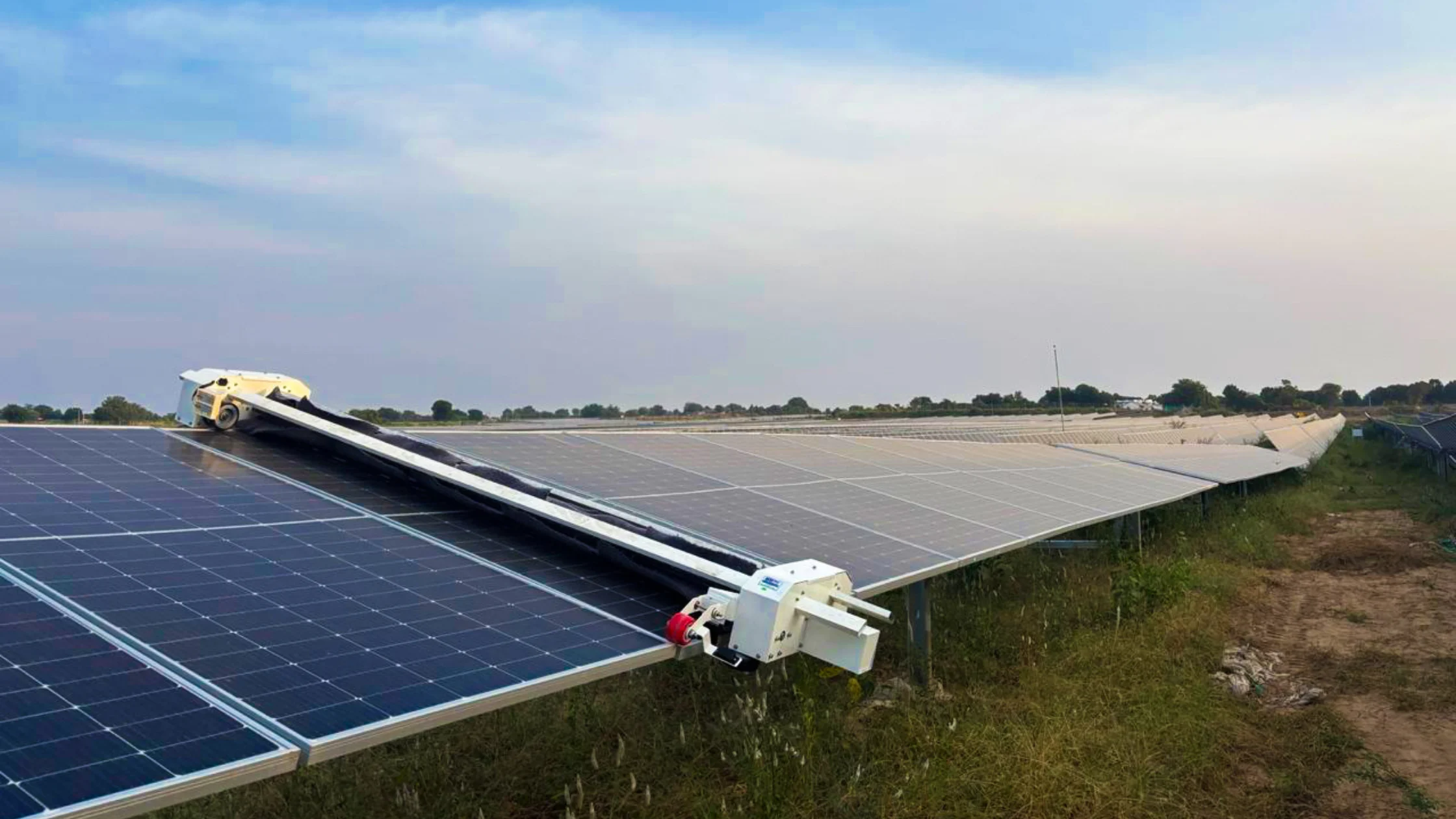
The first pass uses high-speed airflow to dislodge loose dust, sand, and dry debris from the module surface before any physical contact is made. The airflow is calibrated specifically for utility-scale panels, powerful enough to lift fine particulate matter, gentle enough to avoid any pressure on the glass or anti-reflective coating.
This matters most after dust storms. By the time a dry soiling event settles, a significant portion of particles sit loosely on the surface. Moving directly to a physical wipe without this step drags abrasive material across the glass. The first pass eliminates that risk.
Pass 2, Ultra-Soft Microfiber Wipe
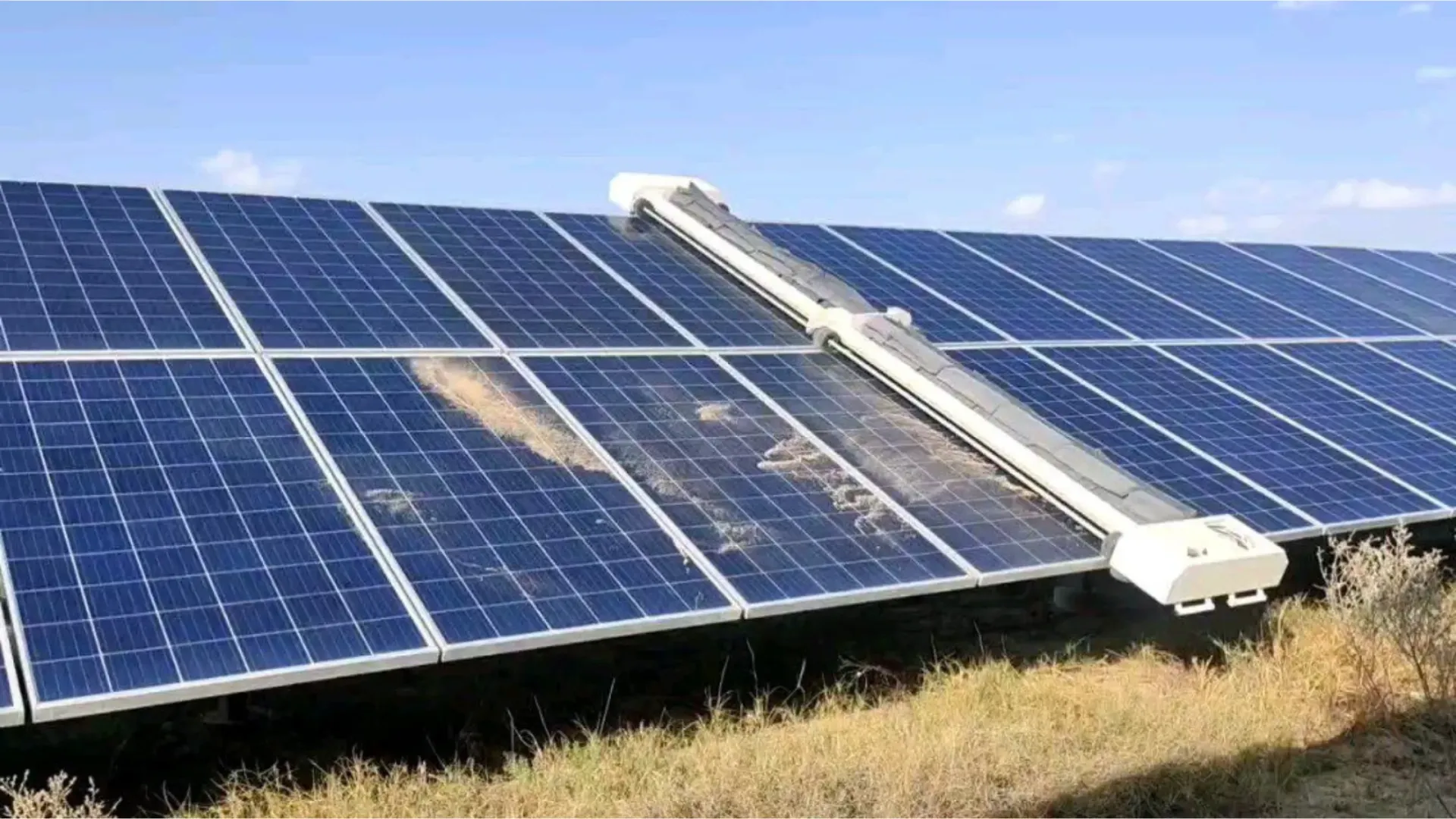
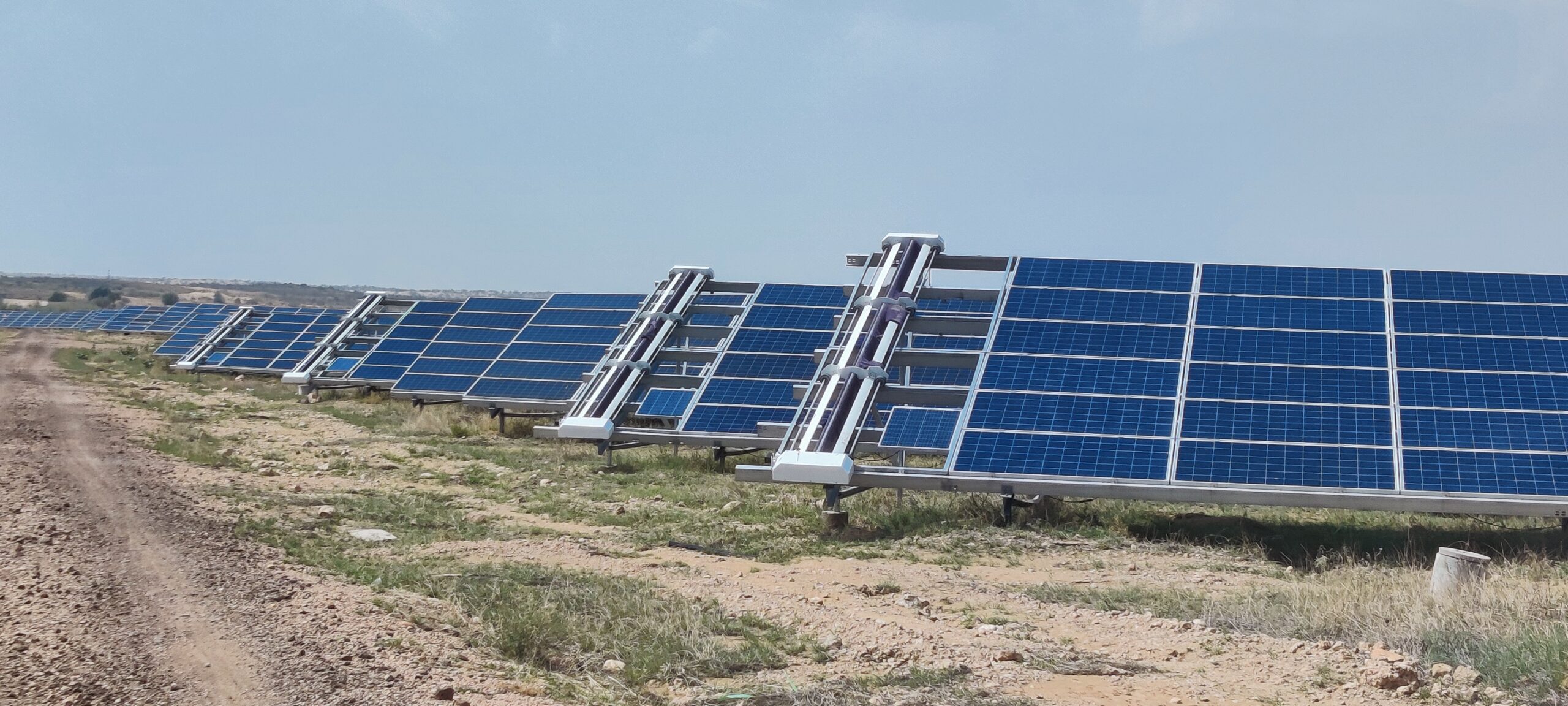
The second pass deploys a rotating self-cleaning microfiber drum. The microfiber specification is engineered for panel-safe contact, soft enough to avoid micro-scratches, structured finely enough to pick up the sticky residue (bird droppings, pollen, agricultural dust) that airflow alone cannot remove.
The drum is self-cleaning, meaning it does not accumulate debris across a cleaning run. This is a practical requirement at utility scale: a robot cleaning 3,600 modules per charge cannot carry contaminated brushes back across already-cleaned panels.
"We failed many iterations before getting both passes right," recalls Akshay Auti, CTO of TAYPRO. "Seeing the robots handle a full day's dust load autonomously after years of field testing, that's what the patent actually represents."
What the Patents Do Not Cover
To be direct: the patents protect the system, the specific combination of dislodgement pass, microfiber wipe, dual-pass sequencing, and the robot platform that executes it. They do not claim ownership of airflow or microfiber as concepts. The protection is in the integrated, utility-scale implementation.
This Technology Is Already Running in the Field
The dual-pass system is not a prototype. It is the cleaning mechanism in every GLYDE automatic robot and GLYDE-X tracker robot in Taypro's deployed fleet.
Agar Solar Plant, Madhya Pradesh, 200 MW
Taypro deployed 272 robots (265 automatic GLYDE units, 7 semi-automatic) across this plant in 2024. The fleet operates on waterless dry cleaning cycles scheduled during non-generation hours, monitored through NECTYR. The deployment saves approximately 28 million litres of water annually versus equivalent wet-wash cleaning, and contributes an additional 7.50 GWh of generation per year against the pre-deployment baseline.
Banda Solar Plant, Uttar Pradesh, 70 MW
160 robots (106 automatic, 54 semi-automatic) are deployed here, addressing the high-dust conditions of central UP through consistent robotic cleaning cycles. The deployment saves approximately 9.8 million litres of water annually and delivers an additional 2.63 GWh/year in recovered generation. Read the full Banda case study.
Soyegaon Solar Plant, Maharashtra, 100 MW
90 robots deployed, including 54 automatic and 36 semi-automatic units. Read the full Soyegaon case study.
Yadgir Solar Plant, Karnataka, 50 MW
115 robots deployed, 96 automatic and 19 semi-automatic, covering one of Taypro's most intensive cleaning environments in the southern portfolio. Read the full Yadgir case study.
These numbers come from live fleet data in NECTYR, not modelled projections.
The AI Scheduling Layer
The dual-pass hardware operates inside a scheduling intelligence layer that determines when to clean, not just how. The GLYDE robot's onboard systems analyse weather inputs, rainfall probability, wind conditions, soiling rate signals, and adjust cleaning cadence accordingly.
Practically, this means robots skip redundant runs after overnight rain (when natural washing has occurred), prioritise cleaning after dust storm events, and maintain higher cadence during peak soiling seasons, post-monsoon and agricultural burning periods in northern states. Fewer wasted runs translate directly to longer robot battery life, lower wear on microfiber components, and better cost-per-clean economics over the AMC term.
Fleet Connectivity: How NECTYR Ties It Together
The patented hardware is only part of what makes the system work at utility scale. Every deployed GLYDE and GLYDE-X connects to NECTYR, Taypro's fleet operations portal, via LTE, Wi-Fi, hybrid self-healing RF mesh, LoRa, or LoRaWAN, whichever link best fits the site.
Through NECTYR, plant operators see cleaning status by block, schedule adjustments, fault alerts, AMC ticketing, and cleaning logs exportable for investor reporting. This is the layer that converts a cleaning robot from a piece of equipment into an auditable O&M asset.
As of mid-2026, NECTYR carries labelled fleet telemetry from more than 150 live sites, a dataset that increasingly informs both scheduling intelligence and Taypro's upcoming ORION plant intelligence platform.
What the Patents Mean for Indian Solar O&M
Four patents on an integrated cleaning system give Taypro a defensible position on the specific approach that has proven most effective for Indian utility-scale conditions: contactless first pass, microfiber second pass, autonomous scheduling, and fleet-wide monitoring.
The broader significance is for the Indian solar sector. With 5 GW+ of robot capacity already deployed and a pipeline that tracks with India's utility solar expansion, the dual-pass system is now a documented, patent-protected standard for waterless robotic cleaning, not a differentiator visible only in marketing materials, but one embedded in the patent record and measurable in deployed fleet performance data.
To see how Taypro's cleaning technology works in detail, or to evaluate robots for your plant, contact the team or run a directional payback estimate on the ROI calculator.
Related resources
For procurement and O&M teams evaluating robotic cleaning in India:
- GLYDE-X single-axis tracker cleaning robot
- waterless vs water-based solar cleaning
- robotic vs manual solar panel cleaning
Related reading
Frequently asked questions
It is a two-stage clean: first, high-speed airflow dislodges loose dust and sand without touching the glass; second, an ultra-soft rotating microfiber drum removes sticky residue. Sequencing matters because wiping abrasive loose dust first can scratch anti-reflective coatings on utility modules.
Taypro has been granted four patents for its System for Cleaning Solar Panels. They cover the dual-pass mechanism, microfiber drum design, and related system architecture used on GLYDE and GLYDE-X robots across Indian utility fleets.
After dust storms, much particulate sits loosely on the surface. Physical contact without dislodgement drags abrasive silica across the glass. The first pass lifts that layer so the microfiber pass handles only adhered material, reducing scratch risk at scale.
The patented system is designed for waterless utility-scale cleaning, which addresses water scarcity and thermal shock risks from wet washing hot modules in Indian desert belts. Water-based methods are not what these patents optimize for.
Patents signal that cleaning method affects both soiling recovery and module life. On 50 to 100 MW assets, inconsistent manual crews or stiff brushes can cost crores in lost generation and warranty risk. Dual-pass waterless automation targets both throughput and contact safety.