Quick answer: Maintaining solar panel cleaning for EV charging station canopies
Managing soiling for large EV charging canopies in India is unique. This is due to high urban dust and vehicle exhaust. You need a structured maintenance plan. This plan must prioritize module performance. It must also protect the electrical systems below the canopy.
- In India, canopy arrays typically lose 8% to 15% due to soiling. This comes from traffic dust and urban particles.
- In high-traffic zones, clean the canopies every 10 to 15 days. This helps maintain optimal charging capacity.
- Waterless cleaning is critical for these canopies. It prevents electrical short-circuits in the EV charger units below.
- Dry-cleaning solutions can be automated or semi-automated. These systems reduce labor costs by up to 60% compared to hose cleaning.
Operators of large EV hubs should use automated dry-cleaning. This can recover up to 15% of lost energy. It prevents loss from site-specific dirt. High system availability is vital for India's green energy network. These stations are critical nodes. For fleet planning, review fleet sizing benchmarks. This helps you determine the right density for your layout.
Structural and access considerations for charging hubs
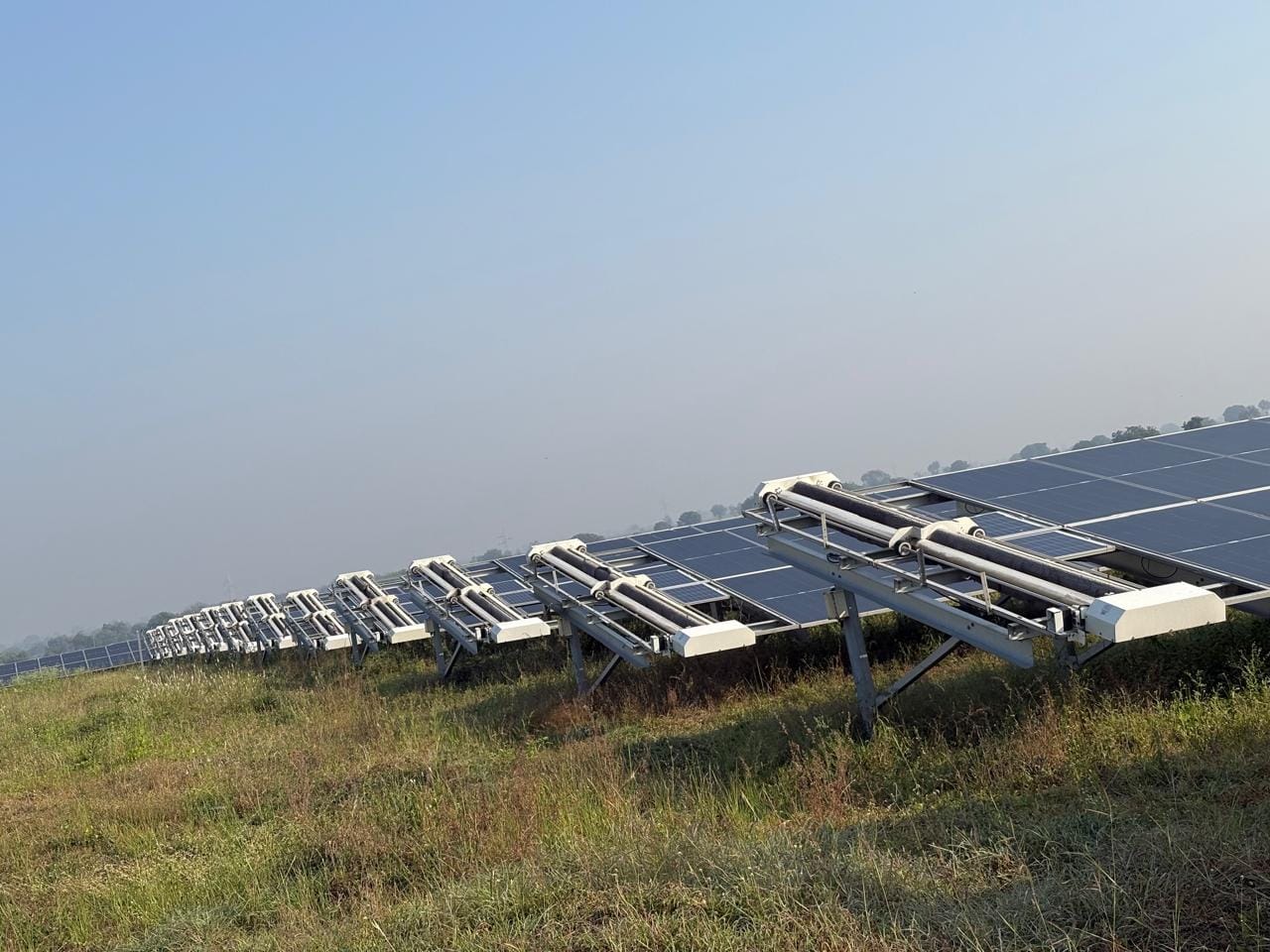
Adding solar canopies to utility or commercial hubs creates physical constraints. Canopy structures differ from standard ground-mounted rows. They often have different heights. They may have limited space for maintenance tools. Also, their electrical parts cannot get wet. Asset managers must check canopy tilt compatibility. Cleaning equipment must stay within the weight limits of the steel frame.
Overcoming physical access barriers
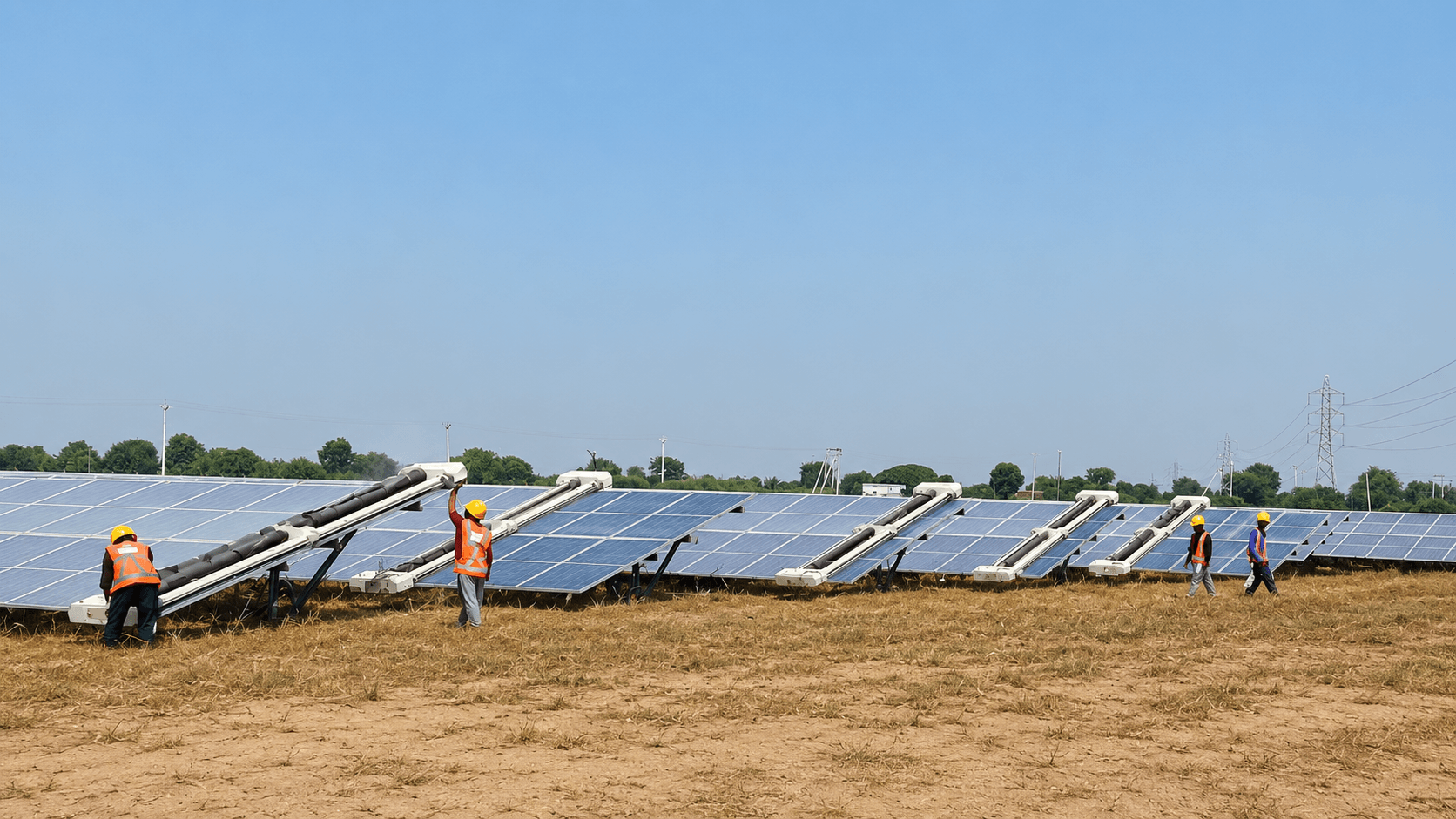
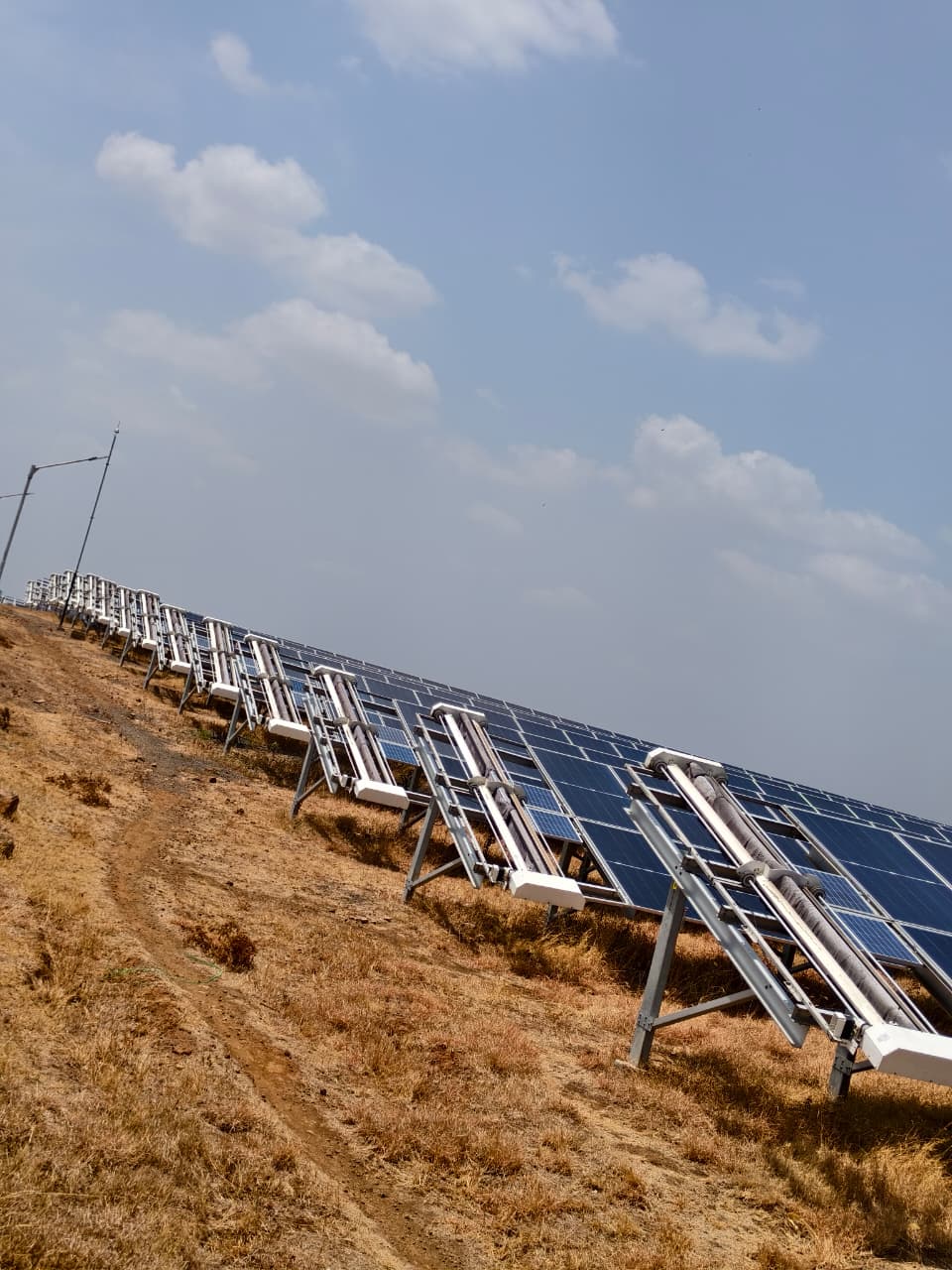
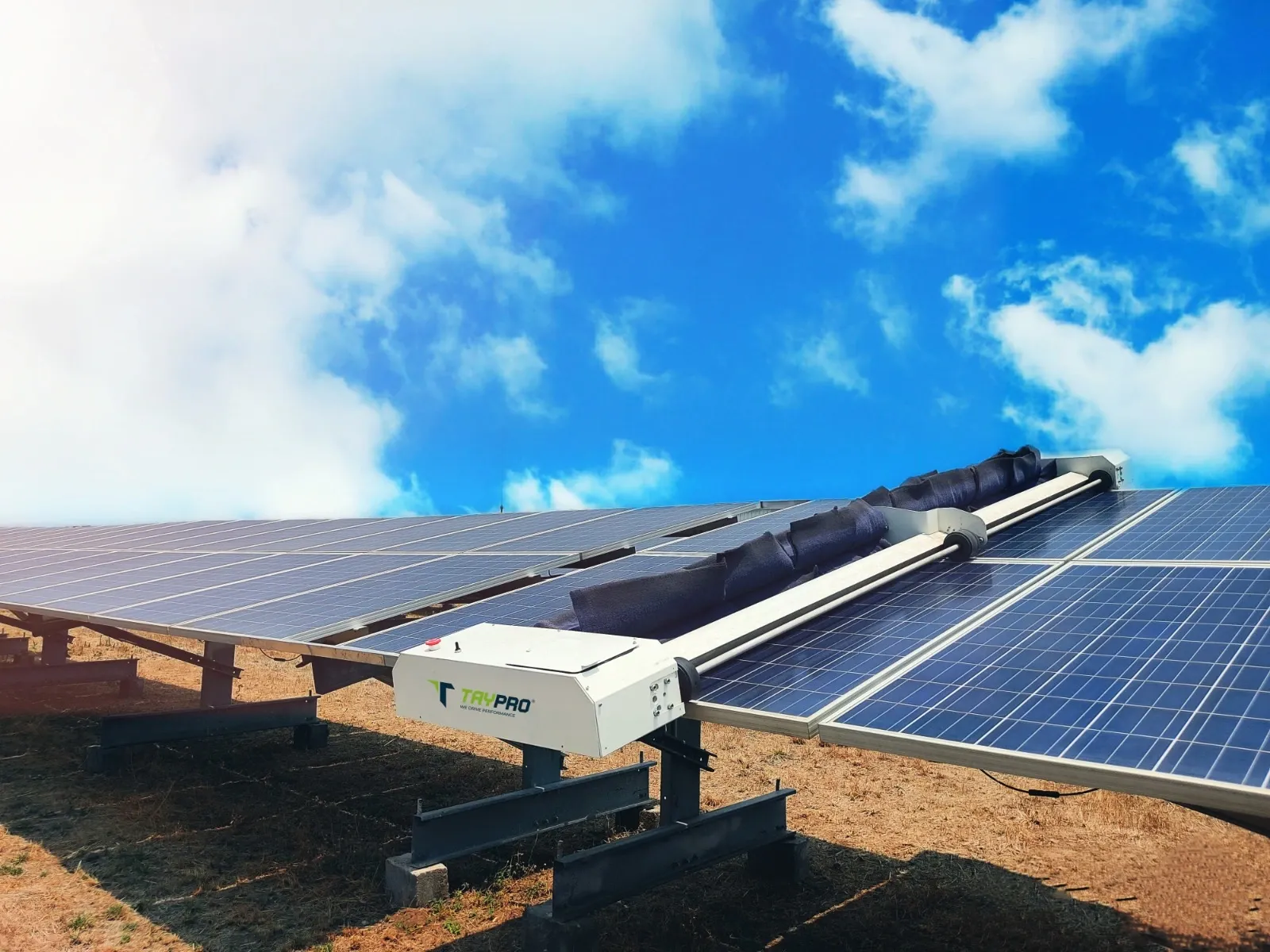
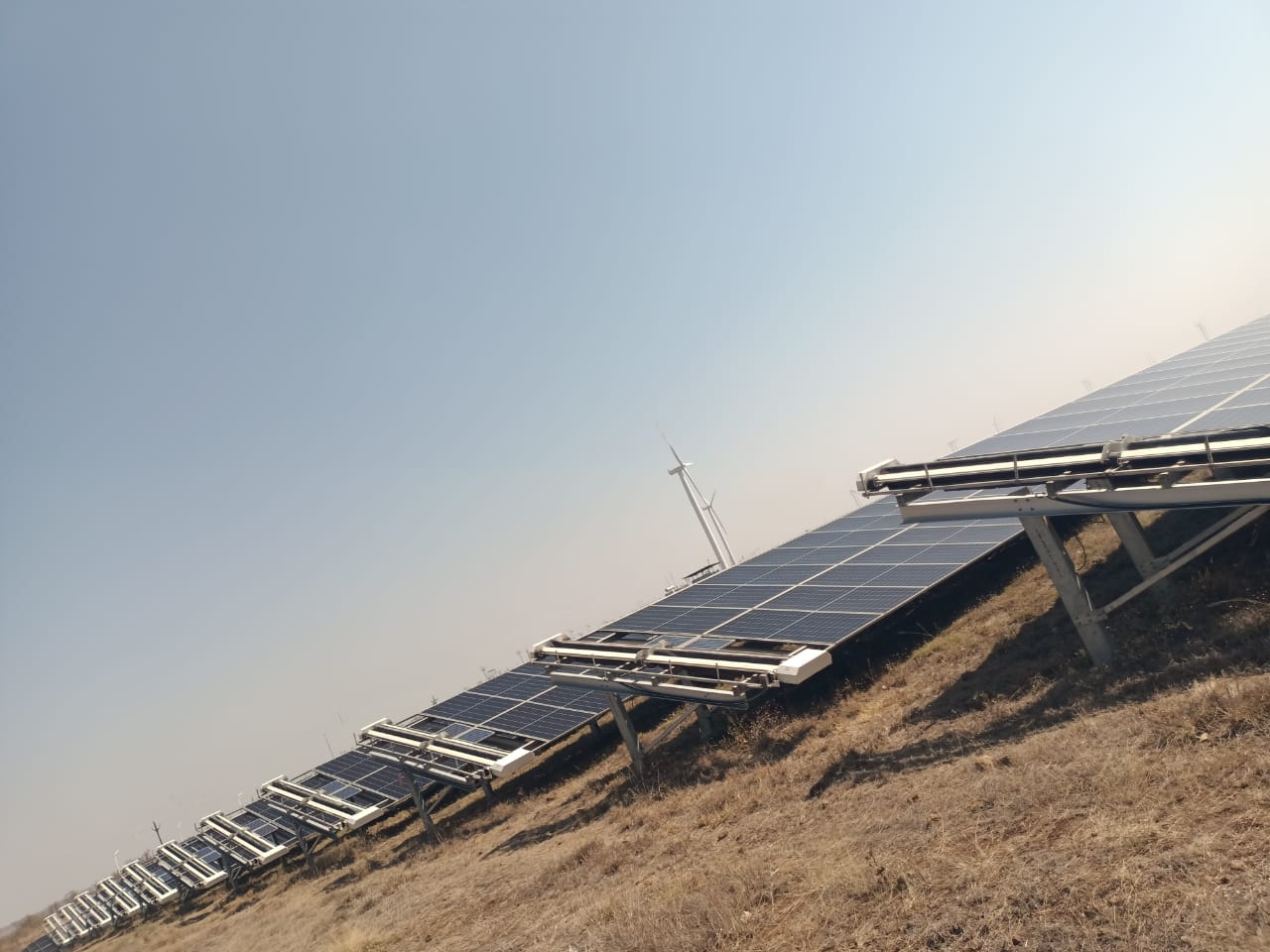
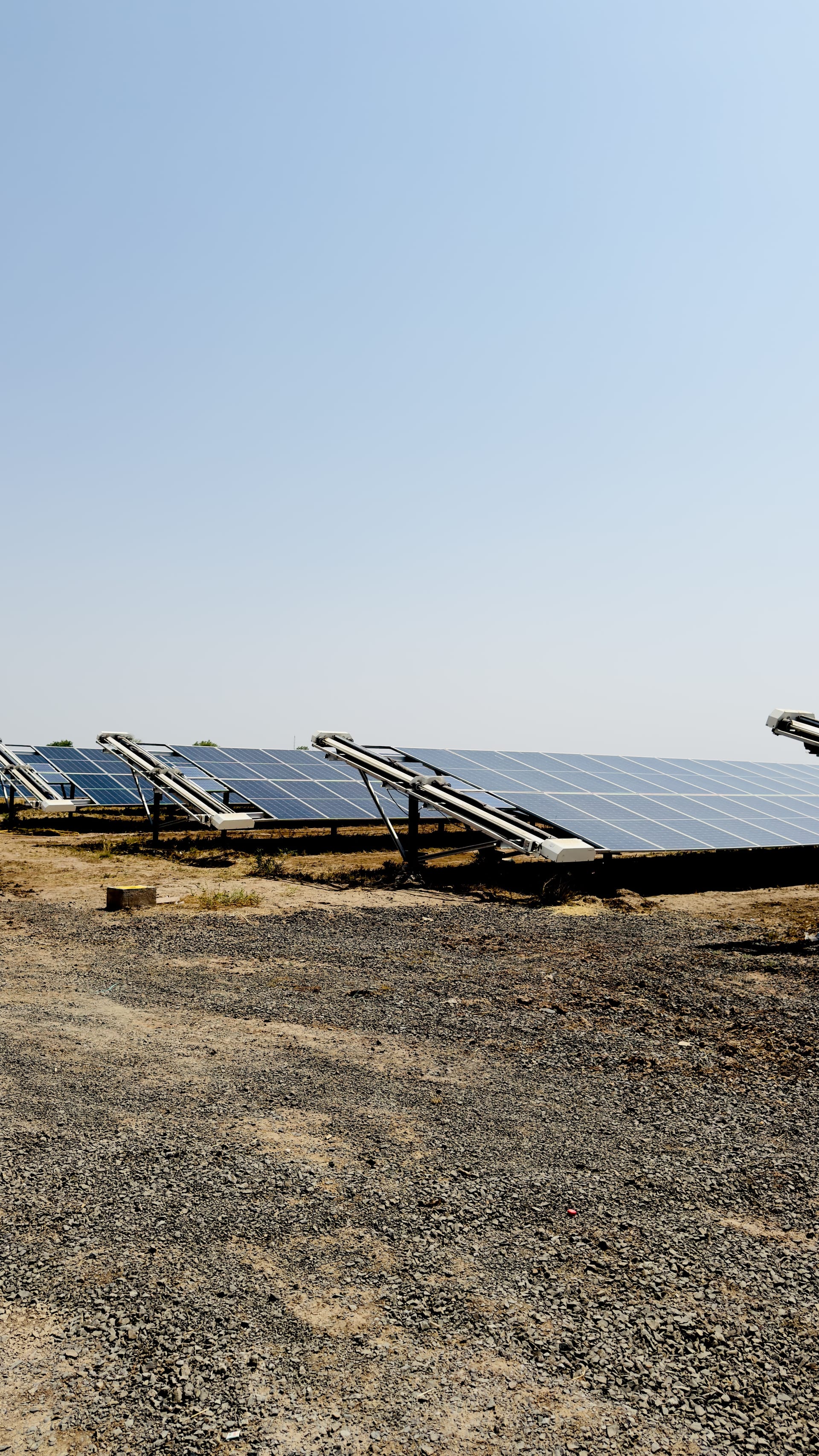
Canopy arrays are usually 4 to 6 meters above the ground. This height allows for charging bays and traffic. Manual cleaning in these areas is dangerous and slow. It requires specialized platforms or rigging. Autonomous robots are a better choice for fixed-tilt canopies. You can deploy them at the end of each row. Some sites have tight spaces or gaps. In these cases, use the HELYX pick-and-place robot. This allows teams to service sections without permanent rails.
Integration with charging infrastructure safety
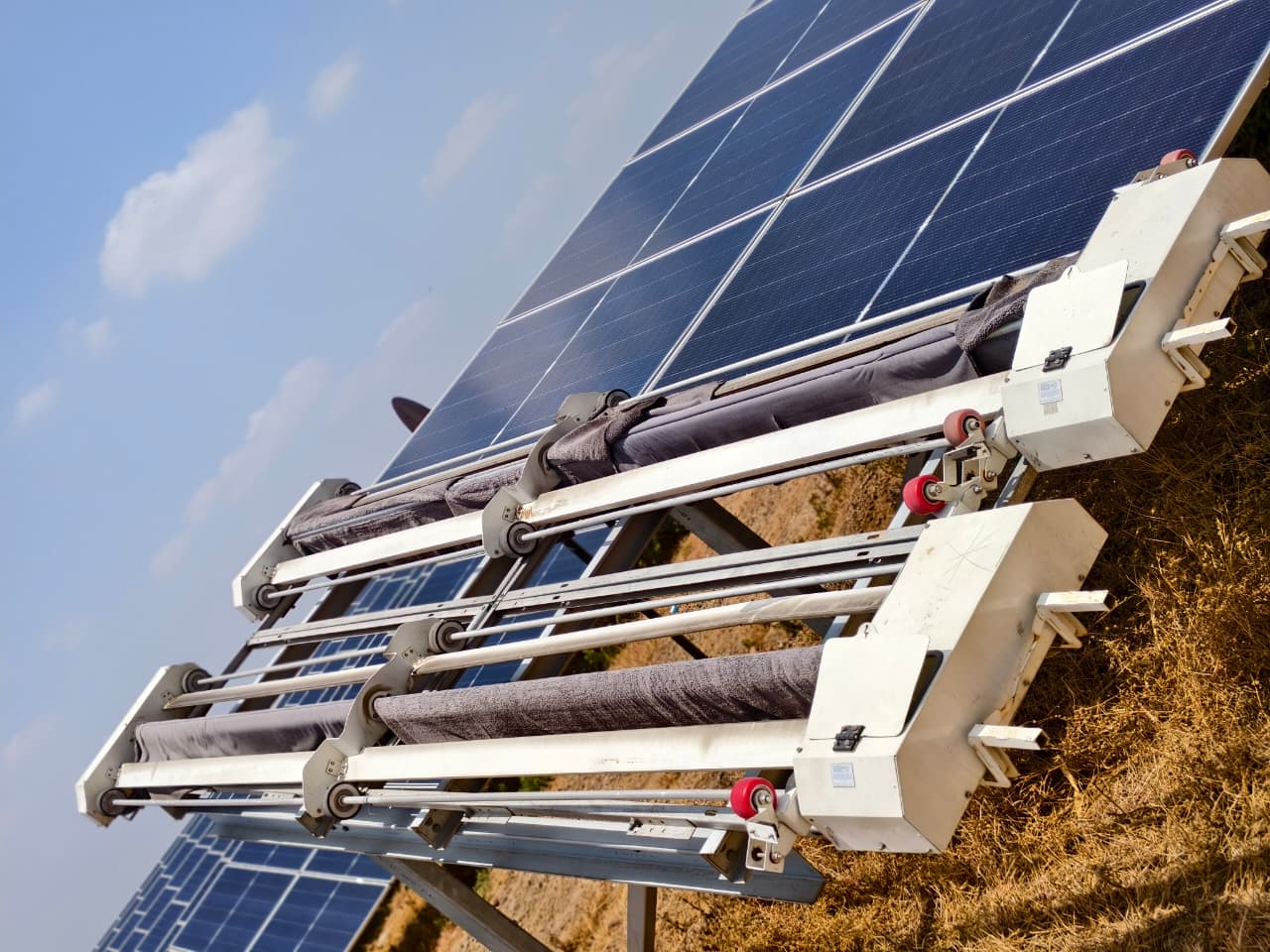
The biggest electrical risk is water entering the power units. Manual washing with water increases short-circuit risks. Runoff can hit sensitive electronics under the panels. A waterless dry-cleaning approach eliminates this risk. Robotic fleets use mechanical brushes or microfiber technology. This keeps the cleaning process on the glass surface only. This method is vital for 24/7 operations. It prevents outages caused by weather or water. For site planning, use the fleet sizing calculator. It helps you optimize robot density for your specific layout.
How does elevated soiling impact solar canopy efficiency?
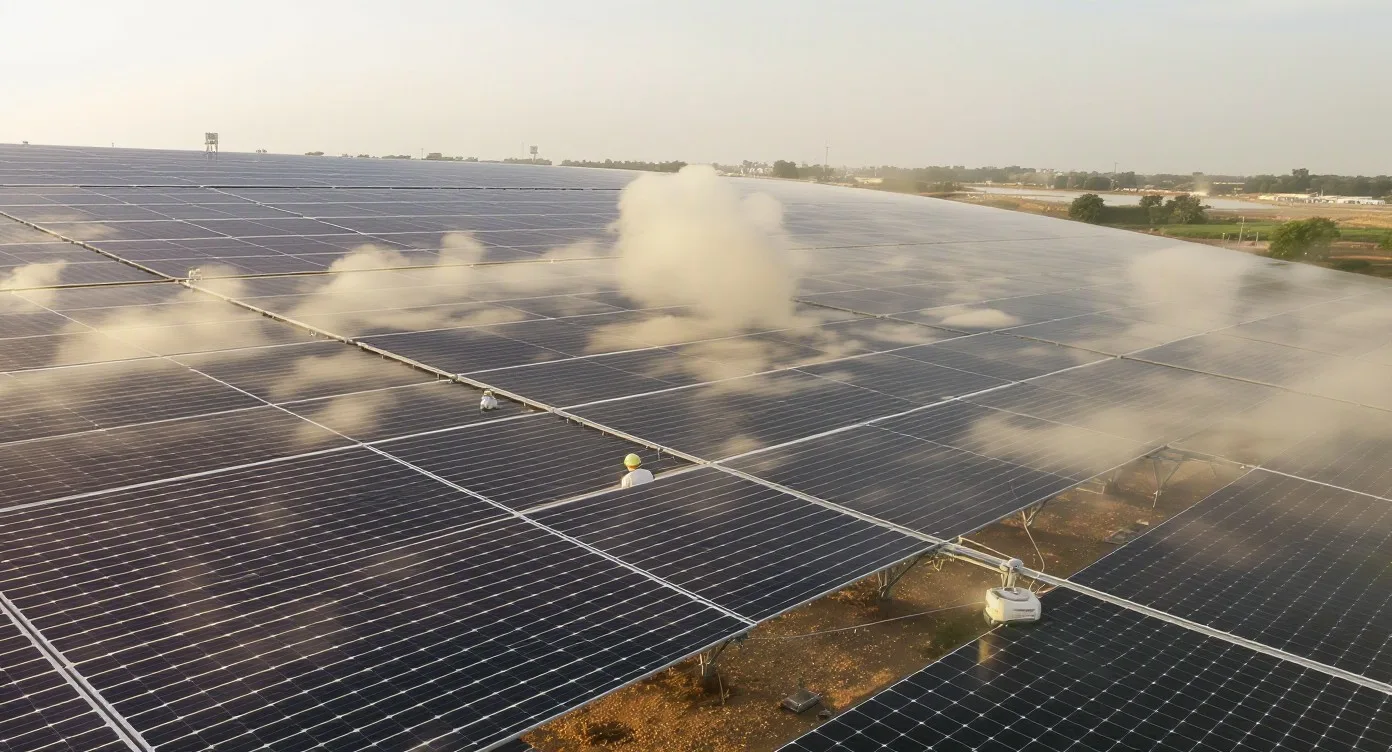
Elevated canopies have a different soiling profile than ground arrays. Ground modules collect dust from wind. Canopy systems collect particles from vehicles and exhaust soot. This urban dust is often fine and sticky. It causes higher rates of shading on the glass.
High-traffic hubs often see 8% to 15% energy losses. Rural plants mostly deal with wind-blown sand. Canopy sites face more complex grime. This includes oil vapors and tire particles. This layer reduces light and creates 'hot spots' on cells. These spots cause uneven heat buildup. Uncleaned panels degrade 1.5 times faster than standard rows. Rainfall is not enough for these sites. The sticky urban soot does not wash off easily.
You must use a schedule based on traffic, not just rain. Managers should track performance closely. It is vital to separate soiling losses from hardware issues. Learn how to do this in our guide on distinguishing between module degradation and soiling loss. Keeping canopies clean protects your long-term yield. It keeps the infrastructure financially viable.
Managing water consumption in urban and highway charging environments
Water is often scarce and expensive at highway charging stations. Relying on manual water cleaning is a risk for large plants. Trucking water to sites is costly. Also, water runoff can damage electronics or pedestrians below. Switching to waterless cleaning can reduce water use by 90%. This turns a high cost into a predictable schedule.
Advertisement
Dry-cleaning systems use brushes or airflow technology. They remove soot, brake dust, and grime. These systems work well on highway sites with heavy exhaust. Without water, you avoid muddy sludge on the panels. This is helpful in the humid Indian climate. These systems also remove the need for water tanks or drains.
Plant managers should focus on these water-management metrics:
- Elimination of Liquid Waste: Removing water prevents it from entering charging power units.
- Operational Autonomy: Waterless robots run on their own power. They can clean at night. This avoids peak sun hours and summer heat.
- OPEX Predictability: Using a waterless solar panel cleaning service helps budgeting. It removes the costs of hauling water or dealing with local scarcity.
Prioritize dry-cleaning for charging hubs. This aligns your strategy with sustainability goals and technical needs. It protects your equipment. It also keeps power output steady through dust cycles. This is critical for EV power demand.
Technical cleaning frequency and site-specific protocols
Do not use static, seasonal cleaning schedules. Charging stations are often in busy areas. Dust builds up faster than on standard solar rows. Use a dynamic protocol instead. Base this on real-time performance ratio (PR) monitoring. In India, high-traffic sites need cleaning every 14 to 21 days. Low-traffic rural sites may only need it every 30 to 45 days.
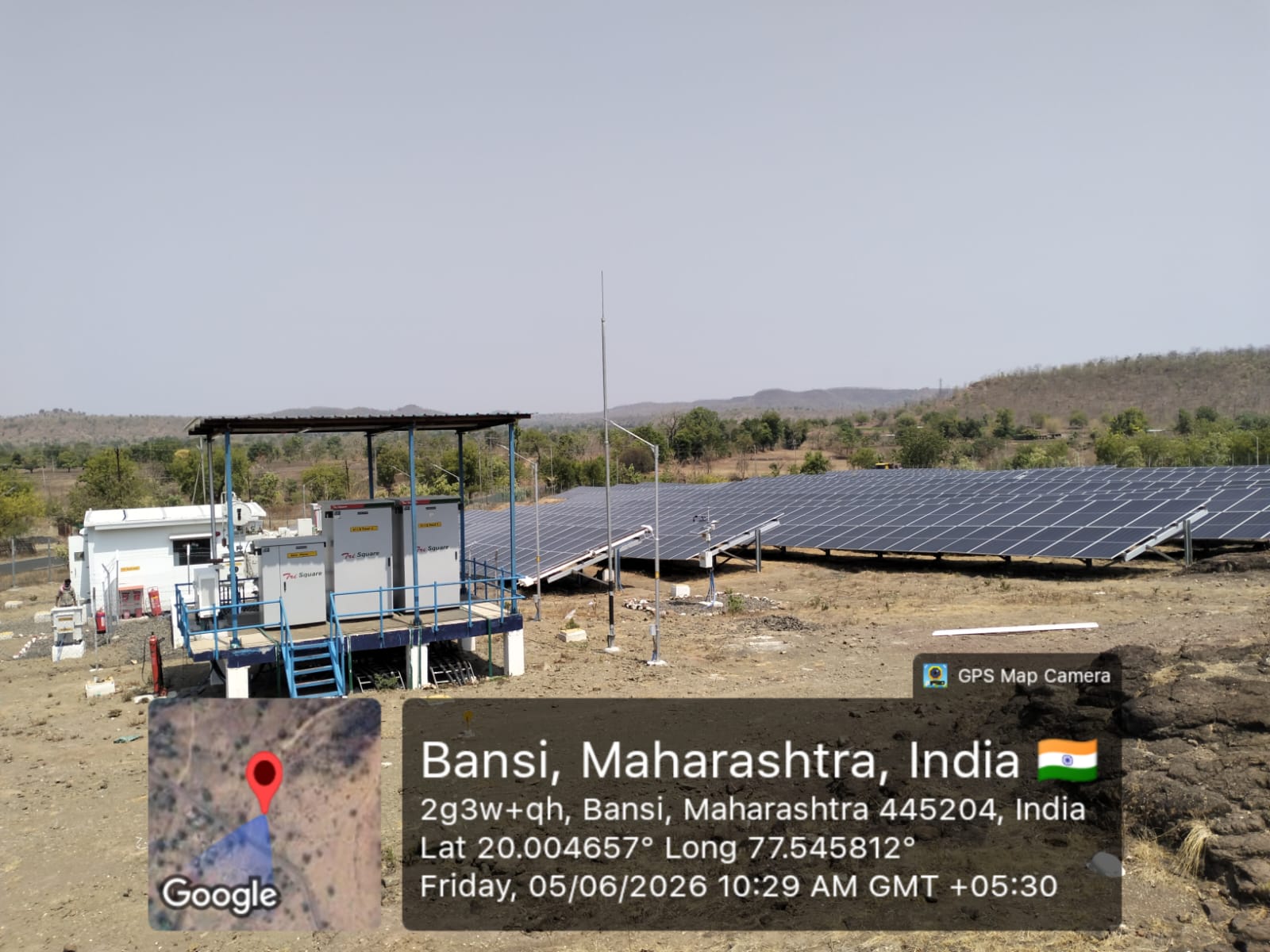
To start, group your infrastructure by dust proximity and traffic volume. Sites near highways get lots of brake dust and exhaust. This dust is hard to wash away with rain. Use an automatic solar panel cleaning system. This allows you to clean based on sensor data. It helps you recover energy before losses hit 5%. Connect these events to your management software. This keeps O&M teams alerted without manual work.
Use these technical parameters for your protocol:
- Baseline Thresholds: Start cleaning if PR drops by more than 2%. Canopy soiling can cause rapid hot-spot formation.
- Traffic-Weighted Scheduling: Clean 20% more often during dry seasons (March–June). This fights the heavy dust in the Indian climate.
- Non-Peak Timing: Schedule cleaning at night. This avoids busy charging times. It also uses lower module temperatures to protect cleaning tools.
Map your cleaning frequency to these variables. This changes your strategy from reactive to proactive. You can optimize your team by calculating the right fleet size for your utility-scale plant. This ensures you meet cleaning needs without extra downtime.
Safety compliance for cleaning energized charging infrastructure
Cleaning solar canopies at EV stations brings unique safety risks. These structures have high-voltage cables, inverters, and active chargers. Canopies often have low clearance. They may have blocked access due to parked cars. They also have people around. You must follow strict lock-out and tag-out (LOTO) protocols. This is vital for autonomous cleaning.
Keep a strict buffer between cleaners and charging boxes. Robots must stay away from electrical parts. Use robots with good obstacle detection. This prevents collisions with charging pylons. We recommend these safety measures for utility-scale sites:
- Automated Exclusion Zones: Use software like NECTYR to map exclusion zones. This keeps robots away from energized pylons and cables.
- Operational Buffers: Stay at least 500mm away from high-voltage points. Units like the GLYDE-X are built for precise movement. This minimizes contact with electrical nodes.
- Vehicle-Presence Protocols: Integrate cleaning with the station's booking system. Only clean when a bay is empty. This protects staff and equipment.
- Grounding and Bonding: Bond all robots to the canopy frame. This prevents electrical discharge. This is especially important in humid or coastal areas.
Treat the canopy as critical power infrastructure. Do not treat it like a standard solar row. This protects your staff and equipment. It also reduces liability risks. Robots are safer than manual crews. They keep people off the roof. This limits contact with live circuits.
What plant managers should do next
Plant managers must start a formal maintenance schedule now. First, conduct a baseline performance ratio (PR) analysis. This separates soiling losses from shading effects. If you are in a dusty area like Rajasthan or Gujarat, switch to dry cleaning. This can reduce water use by 90%. It also improves plant availability.
Follow these steps to secure your site's long-term health:
- Audit Site Geometry: Check your canopy clearance and row spacing. Ensure they work with robots like the GLYDE-X or NYUMA-X.
- Define Cleaning Thresholds: Set triggers based on daily PR drift. Do not just use a calendar. This maximizes energy recovery during peak times.
- Coordinate with Station Operations: Connect your NECTYR schedule with the station management system. Clean during low-traffic windows. This avoids parked vehicles.
- Review AMC Requirements: Move from ad-hoc cleaning to a structured service model. Ensure your provider hits 99%+ dust removal efficiency.
Treat the canopy as a revenue-generating asset. This protects the solar gear and your EV service. Use automated, data-driven maintenance. This prevents the slow loss of energy. You can calculate the robot fleet size for your specific MW-scale plant now. You can also see how PR losses impact quantifiable ESG and carbon credit benefits.
Sources and further reading
Frequently asked questions
Managing soiling for large EV charging canopies in India is unique. This is due to high urban dust and vehicle exhaust.
EV charging canopies are situated in high-traffic zones where vehicular exhaust and urban pollutants settle rapidly on the panel surfaces. This unique proximity to heavy traffic creates higher contamination levels than those found at traditional ground-mount solar sites.
The main risk is electrical short-circuiting caused by water intrusion into the sensitive EV charger housing located directly below the canopy. Using water-based cleaning methods is dangerous, making waterless or dry-cleaning solutions essential for maintaining electrical integrity.
Yes, automated or semi-automated dry-cleaning systems can be integrated into existing canopy structures. These systems not only reduce manual labor costs by up to 60% but also provide a safer alternative to manual cleaning platforms, which are often difficult to position safely above active charging bays.